
How you will beat Diabetes!
8 Critical Vegetables


Vegetables can play a crucial role in managing diabetes. Certain vegetables are particularly beneficial for blood sugar control, overall health, and well-being. In this article, we will explore seven types of vegetables that can make a real difference for diabetics. Each of these options is nutrient-dense and offers unique benefits.
Number One: Carrots
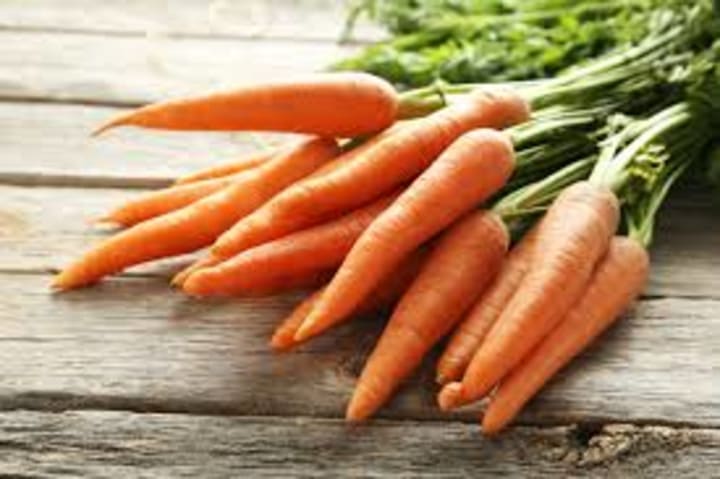
Carrots are a versatile and nutritious choice for managing diabetes. Their high fiber content helps stabilize blood sugar levels. Fiber prevents sudden spikes in glucose by providing a steady release of energy. Additionally, carrots are rich in vitamin A, which supports immunity and healthy vision. This is especially important for people with diabetes who may face an increased risk of eye complications. Carrots can be enjoyed raw, grated, or added to stir-fries and soups. For maximum health benefits, it’s better to eat them whole rather than juiced.
Number Two: Cabbage

Cabbage is a nutritional powerhouse that supports heart health and strengthens the immune system. It is rich in vitamin C and fiber. Fiber helps regulate blood sugar by slowing digestion, preventing rapid glucose spikes. Cabbage is versatile and can be stir-fried, boiled, or made into soups. To retain its nutrients, choose methods like steaming or boiling. Pair cabbage with lean proteins to promote steady glucose levels.
Number Three: Tomatoes

Tomatoes are not just a kitchen staple; they are also packed with health benefits. They contain lycopene, an antioxidant known for reducing heart disease risk and stabilizing blood sugar levels. Low in calories and carbohydrates, tomatoes are ideal for managing diabetes. They can be enjoyed raw in salads or cooked into sauces. Opt for homemade versions to avoid added sugars found in commercial products.
Number Four: Spinach

Spinach is another excellent option for blood sugar control. It is low in calories but rich in essential nutrients such as iron, vitamins A, C, and K. Spinach supports healthy blood circulation and enhances insulin sensitivity. Its fiber content slows down digestion, preventing blood sugar spikes. Spinach can be added to smoothies, salads, or sautéed as a side dish.
Number Five: Broccoli

Broccoli is rich in fiber, which aids in appetite control and weight management. It supports blood sugar stability by serving as a prebiotic, improving gut health. Broccoli also contains antioxidants that help combat inflammation. Simple preparation methods, such as steaming or roasting, retain its nutritional value. Broccoli pairs well with proteins like chicken or tofu.
Number Six: Cucumbers

Cucumbers are low in calories and high in water content, making them ideal for hydration and weight control. They help maintain stable blood sugar levels without causing spikes. Rich in antioxidants, cucumbers can reduce inflammation. They are great alone as a snack or can be tossed into salads.
Number Seven: Mushrooms

Mushrooms are a unique addition to a diabetes-friendly diet. They are rich in vitamin B, which supports brain function and reduces inflammation. Their polysaccharide content can enhance insulin sensitivity. Mushrooms can be sautéed, grilled, or added to soups for extra flavor and nutrients.
Number Eight : Lettuce

Different types of lettuce offer various nutrients. However, they all share a high content of fiber and water. For example, just one cup of red-leaf lettuce provides 33% of your daily vitamin K needs, according to the USDA. Vitamin K plays a crucial role in blood clotting and maintaining bone health. Additionally, serving foods over lettuce can slow their absorption, which further aids in blood sugar control. Substituting lettuce for pizza crust or tortillas is an effective strategy to avoid blood sugar spikes. This allows you to enjoy the flavors of your favorite foods while supporting your health.
Incorporating these eight vegetables into your meals can significantly impact diabetes management. Each one offers essential nutrients that help regulate blood sugar, reduce inflammation, and promote overall health. By making thoughtful choices, you can create a healthier, diabetes-friendly diet. Small steps toward including these vegetables can lead to meaningful changes in your health journey.
About the Creator
Tafara Sibotshiwe
A versatile authentic writer and passionate storyteller. With a background in, Journalism, Engineering, History, Health & finance, they combine profound insight with creative flair to explore the complexities of the human experience.
Keep reading
More stories from Tafara Sibotshiwe and writers in Longevity and other communities.
Detoxification Secrets
There is belief that the right food choices can unlock your body’s full potential. Have you ever wondered how to flush toxins from your body? It can be confusing, but the good news is that the secret may lie in your pantry or at your local grocery store.
By Tafara Sibotshiweabout a year ago in Longevity
Early Warning Signs: Minor Symptoms That Evolve Into Chronic Pain
Most people dismiss minor aches and stiffness as temporary inconveniences or inevitable parts of aging. However, medical experts across multiple specialties warn that these seemingly insignificant symptoms often serve as early warning signs of chronic pain conditions that become far more difficult and expensive to treat once they progress. Understanding which minor symptoms deserve immediate attention can prevent years of unnecessary suffering and disability.
By Tim Clarke6 days ago in Longevity
The impact of sleep on our mental state
Introduction Sleep is a critical pillar of our daily lives, yet it’s often treated as an afterthought. While comfort and personal preference matter, the idea that we should just sleep “whenever and however” is a trap. To truly function at your peak, you need more than just rest — you need a disciplined strategy. It sounds harsh and at first, if you are used to staying up all night and not paying attention to your mental and physical health, it might seem impossible. However, great things do require some small sacrifices, so let us begin with the three tips.
By Charilaos Spanoudis4 days ago in Longevity
I wanted to title this something different, but worried that my chosen title might cause problems entering the United States in the future so this is the new title. It's the greatest title. No one has ever written a title better than this. (All titles unrelated to content).
Let me be honest. I am finding this difficult. Now, I like a challenge, a stretch, a bit of an obstacle course. “Write about the decline of the British Empire in the form of a narrative poem in which your protagonist is an artichoke” I read, and flex my fingers. “Write a haiku to evoke the sensation of sibilance using only the first half of the alphabet.” “Well”, I think to myself, “this should be fun.” But “write about a system that isn’t working”? A system that isn’t working? Now? In 2026? ONE system? My favourite system that isn’t working? The sexiest system that isn’t working? The one giving me the most angst day to day? The one giving me the most existential dread? I am, as I say, finding this difficult. I will own that I have contemplated writing a thousand words on why the steady “all on” setting on my fairy lights is the EIGHTH of seven options which must be sequentially activated to get there, because that is a system that some fool came up with and it definitely doesn’t work, and now who is paying the price, eh? But how can I write about my fairy lights when…. When…. When….
By Hannah Moore4 days ago in Humans


Comments
There are no comments for this story
Be the first to respond and start the conversation.