
how to start meditation
all question will have about meditation is answered

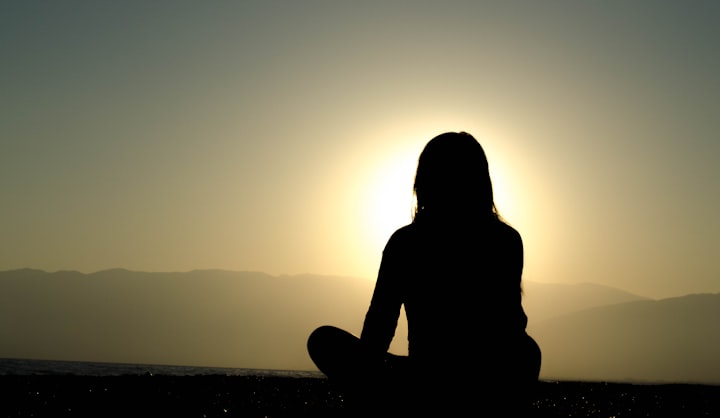
Meditation is a powerful tool for relaxation, focus, and self-awareness. While it may seem intimidating to begin, it’s actually quite simple. In this guide, we’ll explore the basics of meditation, the benefits it offers, and some techniques you can use to start your own meditation practice.
Why Meditate?
There are many reasons people choose to meditate, but some of the most common benefits include:
Reduced stress and anxiety
Increased focus and concentration
Improved sleep
Enhanced self-awareness and emotional regulation
Increased feelings of calm and inner peace
Meditation can be practiced by anyone, regardless of age, gender, or religious beliefs. It’s a versatile practice that can be adapted to suit your specific needs and lifestyle.
Getting Started with Meditation
To begin your meditation practice, you don’t need any special equipment or clothing. You can meditate anywhere, whether it’s a quiet room in your home or a park bench in the great outdoors. The most important thing is to find a comfortable position where you can relax and focus your mind.
Step 1: Find a Quiet Place
To begin your meditation practice, you’ll need to find a quiet place where you won’t be disturbed. This can be a corner of your home, a park bench, or any other peaceful location. If possible, try to find a space that’s free from distractions like phones, televisions, or other electronic devices.
Step 2: Get Comfortable
Once you’ve found your quiet space, it’s time to get comfortable. Sit in a chair, on the floor, or even lie down if that’s more comfortable for you. The key is to find a position that allows you to relax and breathe deeply.
Step 3: Focus on Your Breath
Close your eyes and take a few deep breaths. Focus on the sensation of the air entering and leaving your body. You may find it helpful to count your breaths, or to focus on a specific word or phrase as you breathe.
Step 4: Let Your Thoughts Pass
As you meditate, thoughts may arise in your mind. Don’t try to suppress them or force them away. Instead, simply observe them as they come and go. Imagine them as clouds passing through the sky. Acknowledge them, but don’t engage with them.
Step 5: Start with Short Sessions
When you first start meditating, it’s best to start with short sessions of just a few minutes each day. Gradually increase the length of your meditation sessions as you become more comfortable with the practice.
Meditation Techniques
There are many different techniques you can use to meditate. Here are a few of the most popular methods:
Mindfulness Meditation
Mindfulness meditation involves focusing your attention on the present moment, without judgment. To practice mindfulness meditation, simply sit in a comfortable position and focus on your breath. When thoughts arise, acknowledge them and let them pass without judgment.
Loving-Kindness Meditation
Loving-kindness meditation involves directing positive energy and love towards yourself and others. To practice loving-kindness meditation, sit in a comfortable position and imagine yourself surrounded by love and warmth. Then, imagine sending that love and warmth outwards to those around you.
Body Scan Meditation
Body scan meditation involves focusing your attention on each part of your body, from your toes to your head. To practice body scan meditation, lie down in a comfortable position and focus on each part of your body in turn. Notice any sensations, tensions, or areas of discomfort, and simply observe them without judgment.
Mantra Meditation
Mantra meditation involves repeating a word or phrase to help focus your mind. To practice mantra meditation, choose a word or phrase that has personal meaning to you, and repeat
Guided Meditation
Guided meditation involves listening to a recorded voice that guides you through the meditation process. This can be helpful for beginners who are not yet comfortable meditating on their own. You can find guided meditations online or through meditation apps.
Tips for a Successful Meditation Practice
Set aside time each day for meditation.
Meditation is a practice, and like any other practice, it requires commitment and consistency. Try to set aside a specific time each day for meditation, even if it’s just a few minutes.
Find a comfortable position.
It’s important to find a position that’s comfortable for you, whether that’s sitting in a chair, on a cushion, or lying down. Make sure your body is relaxed and your posture is upright.
Focus on your breath.
The breath is a powerful anchor for the mind. Whenever your mind starts to wander, bring your attention back to your breath.
Don’t judge yourself.
Meditation is not about achieving a specific goal or outcome. It’s about being present in the moment and observing your thoughts without judgment. Don’t worry if your mind wanders or if you feel like you’re not doing it “right”. Just keep practicing.
Use a timer.
Setting a timer can help you stay focused during your meditation session, and can also help you gradually increase the length of your practice over time.
Be patient.
Meditation is a skill that takes time to develop. Don’t expect to see immediate results, and don’t give up if you don’t see progress right away. With consistent practice, you’ll start to see the benefits of meditation in your daily life.
Conclusion
Starting a meditation practice can be intimidating, but it’s actually quite simple. Find a quiet space, get comfortable, focus on your breath, and let your thoughts pass without judgment. With consistent practice, you’ll start to see the many benefits that meditation can offer, including reduced stress and anxiety, increased focus and concentration, improved sleep, enhanced self-awareness, and increased feelings of calm and inner peace. Remember to be patient, and don’t judge yourself. With time and practice, you’ll develop a powerful tool for relaxation and self-awareness that you can use for the rest of your life.
About the Creator
zen&health
meditation and health blog for better life qualty
my ebooks about mental and brain health you can take a look from ---->here<----
Keep reading
More stories from zen&health and writers in Longevity and other communities.
meditation & benefits
Meditation is a practice that has been around for centuries and has been adopted by many different cultures around the world. It is often associated with relaxation and mindfulness, but the benefits of meditation extend far beyond those simple descriptions. In this article, we will explore the benefits of meditation, how to meditate, and some tips for making meditation a regular part of your life.
By zen&health3 years ago in Longevity
Day 4 of Quitting
If this is how sobriety feels, maybe it’s better to go through life a little buzzed… this, along with other hits like, I want to kill myself, I wish I was dead, and I’m going to throw myself off a bridge have been the only thoughts on rotation these past few days. I promise myself that if, in a month, I still feel like this (‘this’ meaning despondent, full of rage, and simultaneously numb) I can go back to smoking. Until mid-February though? Nicotine is off the table.
By sleepy drafts16 days ago in Longevity
US Arctic Blast Could See Historic Freeze for 150 Million
A historic arctic blast is set to hit the United States, potentially affecting 150 million people with record-breaking cold temperatures. Officials are warning that this extreme weather could bring dangerous conditions, widespread disruptions, and serious health risks. As winter tightens its grip, residents from the Midwest to the East Coast are being urged to prepare for what could be one of the coldest periods in recent history. What Is Happening Meteorologists explain that cold Arctic air is pushing south, creating a massive high-pressure system that will cover much of the country. Temperatures in many areas are expected to drop far below freezing, with some regions possibly breaking historical lows. Key points include: The cold front could affect roughly 150 million Americans, spanning dozens of states. Some areas may experience sub-zero temperatures for days, with dangerous wind chills making it feel even colder. Snowfall and ice storms are likely in parts of the Midwest and Northeast, creating travel hazards and power risks. Experts are emphasizing that this is not normal winter weather — it is a rare and powerful Arctic blast that could have serious consequences if people are not prepared. Risks to Public Safety Extreme cold can be dangerous to anyone caught unprepared. Officials are raising concerns about: 1. Health Hazards Frostbite and hypothermia are major risks, especially for those without proper shelter or clothing. Older adults, children, and people with preexisting conditions are particularly vulnerable. Emergency services are already preparing for a possible surge in cold-related injuries. 2. Travel Disruptions Roads may become icy and treacherous, increasing the risk of accidents. Airlines are preemptively canceling or delaying flights in some areas due to snow, ice, and runway hazards. Public transit systems may experience delays or suspensions in affected cities. 3. Power and Utilities Heavy snow and ice can bring down power lines, leading to outages. High demand for heating may strain energy grids, and authorities are urging residents to conserve power where possible. How Communities Are Preparing Government agencies, emergency services, and utility companies are taking steps to mitigate the impact of the Arctic blast: Emergency shelters are being opened for vulnerable populations. Snowplows and road crews are on standby to clear major highways and city streets. Airlines are monitoring conditions and communicating updates to passengers in advance. Residents are being urged to stock up on essential supplies, including food, water, and fuel. Officials stress that early preparation can save lives and reduce the strain on emergency services. Advice for Residents If you live in an area expected to be affected, here are practical tips to stay safe: Limit Travel – Only venture out if absolutely necessary. Dress Appropriately – Wear layers, gloves, hats, and insulated footwear. Prepare Your Home – Insulate windows, keep heating systems ready, and have emergency supplies on hand. Check on Neighbors – Especially the elderly, children, or those with medical conditions. Stay Informed – Follow updates from the National Weather Service and local authorities. Following these steps can help prevent injuries, accidents, and health emergencies during the Arctic freeze. Economic and Infrastructure Impact The Arctic blast could also affect the economy and daily operations: Businesses may experience closures or reduced staff due to unsafe conditions. Retail and transportation costs may rise as supply chains are delayed. Energy demand will spike, potentially increasing costs and stressing grids. Airlines and logistics companies may incur significant delays and financial losses due to weather-related cancellations. While the full economic impact is uncertain, experts warn that extended freezes can be costly for communities and industries alike. Historical Context Arctic blasts are not entirely new, but this event is unusual due to its scope and intensity: Historical records show that similar cold waves have led to record-low temperatures, ice storms, and widespread disruption. Past events like the Polar Vortex of 2019 caused millions to lose power and dozens of fatalities due to cold exposure. Meteorologists caution that this Arctic blast could match or even exceed previous extreme events, making preparation crucial. This serves as a reminder that extreme weather events can occur suddenly, even in areas that typically experience milder winters. The Science Behind the Freeze Scientists explain that the Arctic blast is fueled by a combination of high-pressure Arctic air and shifting jet stream patterns. The polar jet stream has dipped unusually southward, allowing frigid air to spread across much of the country. Areas near the Great Lakes and the Midwest may experience heavy snow and ice accumulation, while the Northeast could see dangerous wind chills. Experts note that climate change may increase the frequency of extreme cold events, though the relationship is complex. Understanding the science behind these events helps authorities issue timely alerts and gives residents the information needed to prepare effectively. Looking Ahead The Arctic blast is expected to peak over the next few days, after which temperatures may gradually return to normal. However: Travel and transportation may remain affected for several days after the coldest period. Communities must remain vigilant about frostbite, hypothermia, and snow-related hazards. Emergency services will continue monitoring conditions to respond quickly to any incidents. Staying informed and prepared is key to navigating what could be a historic winter freeze safely. Conclusion The United States is facing a major Arctic blast that could impact 150 million people, bringing historic cold, snow, and widespread disruptions. Authorities are urging everyone to take precautions, limit travel, and stay informed. This Arctic freeze highlights the power of extreme weather and the importance of preparation in keeping communities safe. By following expert advice and staying alert, residents can navigate this severe winter event with minimal risk. Winter is coming in a way few have seen in recent years, and the time to prepare is now.
By Fiaz Ahmed 2 days ago in Longevity



Comments
There are no comments for this story
Be the first to respond and start the conversation.