
How to Read Food Labels for Healthier Choices
Tips and Tricks for Healthier Grocery Shopping

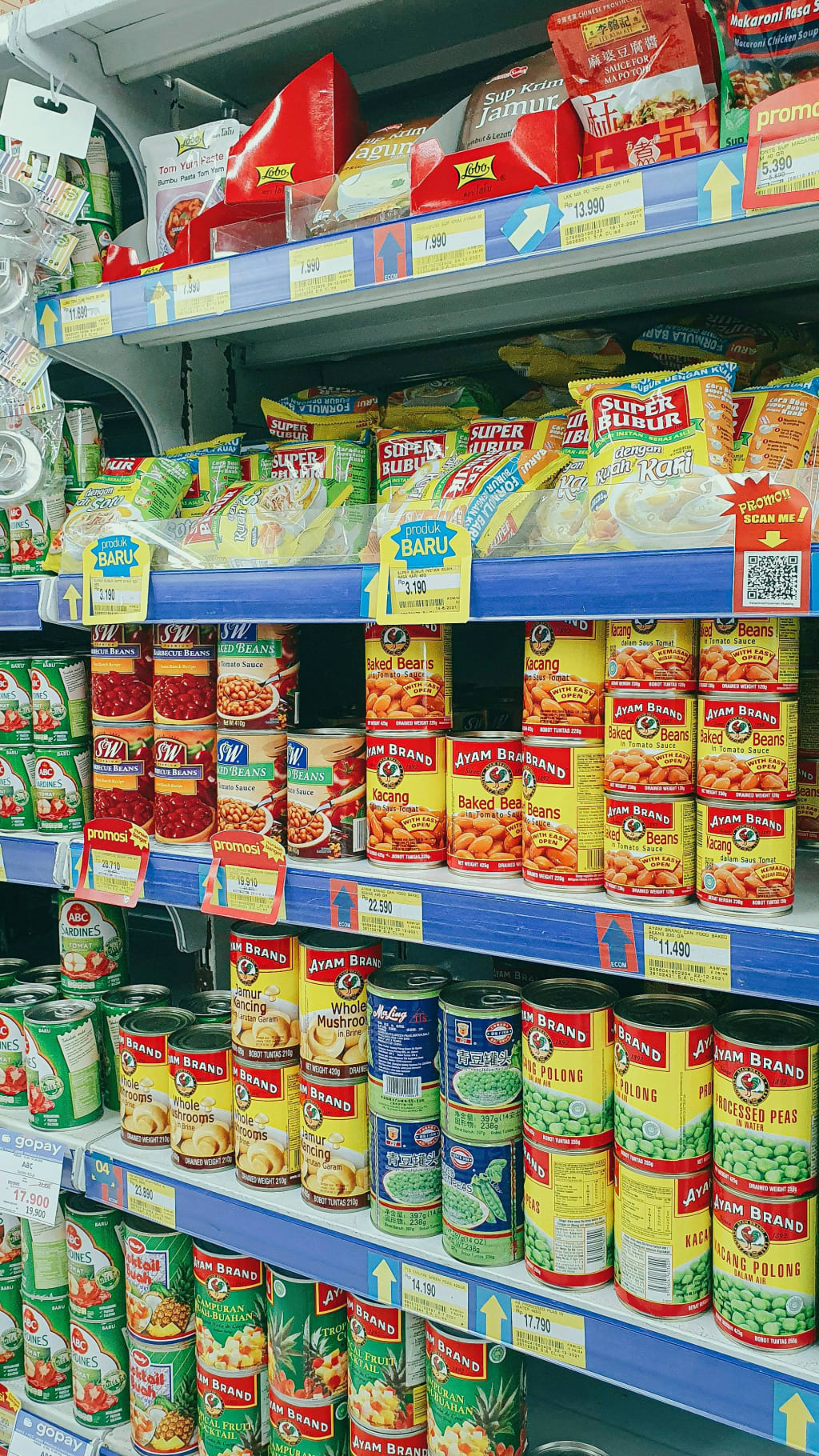
Ever feel lost in the supermarket aisle, staring at a wall of food products with labels that seem more like a foreign language than helpful information? You're not alone! Decoding food labels can be tricky, but it's a crucial skill for making informed choices about what you eat and achieving your health goals. This article will guide you through the process, empowering you to navigate the world of nutrition labels with confidence.
Understanding the Basics
First, let's break down the essential components of a food label. You'll typically find the following information:
1. Serving Size: This is the most important piece of information. All the nutritional values listed on the label are based on one serving. Pay close attention to this, as it's easy to underestimate how many servings you're actually consuming. For instance, a bag of chips might list a serving size as 10 chips, but who eats just 10? If you eat the whole bag, you're consuming multiple servings and therefore multiple times the listed nutrients.
2. Calories: Calories measure the energy your body gets from food. Knowing the calorie content per serving helps you manage your daily calorie intake, especially important for weight management.
3. Macronutrients: These are the building blocks of your diet:
- Fat: Labels show different types of fat, including saturated, unsaturated, and trans fats. Focus on limiting saturated and trans fats, as they can negatively impact heart health. Instead, choose foods with healthy unsaturated fats.
- Cholesterol: Another factor to watch for heart health. Aim for lower cholesterol intake.
- Sodium: High sodium intake can contribute to high blood pressure. Be mindful of sodium levels, especially if you're watching your salt intake.
- Carbohydrates: Includes sugars, fiber, and starches. Prioritize complex carbohydrates (found in whole grains, fruits, and vegetables) over simple sugars.
- Protein: essential for building and repairing tissues. Protein content is important for those looking to build muscle or maintain a healthy diet.
4. Vitamins and Minerals: Food labels often list the percentage daily value of various vitamins and minerals. This helps you ensure you're getting enough of these essential nutrients.
5. Ingredients List: Ingredients are listed in descending order by weight. This means the first ingredient listed is the most prevalent in the product. Pay attention to the order and look for whole, recognizable ingredients. Be wary of long lists of artificial ingredients or additives.
6.% Daily Value: This tells you how much of a specific nutrient is in one serving of the food, based on a 2,000-calorie diet. It's a helpful guide, but remember that individual dietary needs may vary.
Putting it All Together: Making Healthier Choices
Now that you understand the different parts of a food label, how do you use this information to make healthier choices? Here are some practical tips:
1. Compare Products: Don't just grab the first item you see. Compare similar products side-by-side, paying attention to serving size, calories, fat content, sodium, and sugar.
2. Focus on Fiber: Choose foods with high fiber content. Fiber aids digestion and can help you feel full longer.
3. Limit Added Sugars: Check the ingredients list for added sugars, such as high fructose corn syrup, sucrose, and dextrose. These provide calories without much nutritional value.
4. Choose Whole Grains: Look for products that list whole grains as the first ingredient.
5. Be Mindful of Portion Sizes: Even healthy foods can contribute to weight gain if you eat too much. Stick to the recommended serving size.
6. Read the Ingredients List: A short ingredient list with recognizable whole foods is usually a good sign.
7. Don't Be Fooled by Marketing Claims: Buzzwords like "low-fat" or "natural" don't always mean a product is healthy. Always check the nutrition label to see the full picture.
A Healthier You Starts Here
Reading food labels is a powerful tool for taking control of your health. By understanding the information presented and applying these simple tips, you can make informed decisions about the foods you eat and nourish your body from the inside out. It's not about restriction or deprivation; it's about making conscious choices that support your overall well-being. Start small, be patient with yourself, and celebrate the progress you make along the way to a healthier you!
FAQs
We've compiled some of the most common questions about food labels to help you navigate the world of nutrition and make informed choices.
Q: What's the difference between "serving size" and "portion size"?
A serving size is a standardized amount of food, determined by the manufacturer, that all the nutrition information on the label is based on. Portion size, on the other hand, is the amount of food you actually eat, which may or may not match the serving size. It's crucial to understand the serving size because if you consume more than one serving, you're also consuming more calories, fat, sugar, etc. than what's listed for a single serving.
Q: I see "added sugar" on the label. What does that mean?
Added sugars are sugars that are added to foods during processing or preparation. They are different from the sugars that naturally occur in fruits, vegetables, or milk. The label now clearly separates added sugars from naturally occurring sugars, making it easier to track your intake of added sugars, which contribute calories without much nutritional value.
Q: What are trans fats, and why should I avoid them?
Trans fats are a type of unsaturated fat that are artificially created through a process called hydrogenation. They have been linked to an increased risk of heart disease, so it's best to avoid them as much as possible. Check the ingredients list for "partially hydrogenated oils," which is another name for trans fats.
Q: How do I know if a product is high in fiber?
Look at the % Daily Value for fiber. A product with 20% or more of the daily value for fiber is considered high in fiber. Also, check the ingredient list—whole grains, fruits, and vegetables are good sources of fiber.
Q: The % Daily Values are based on a 2,000-calorie diet. What if I eat more or fewer calories than that?
The % Daily Values are a general guideline. While they can still be helpful, your individual calorie needs may vary depending on your age, sex, activity level, and health goals. Consulting a registered dietitian or nutritionist can help you determine your specific calorie and nutrient needs.
Q: What does "natural" mean on a food label?
The term "natural" is not strictly regulated by the FDA, and its meaning can vary. Generally, it implies that the food is minimally processed and doesn't contain artificial ingredients. However, it's not a guarantee of health. Always check the nutrition label and ingredients list, regardless of whether a product claims to be "natural."
Q: The ingredient list is so long! How can I tell what's really in the product?
Ingredients are listed in descending order by weight. The first few ingredients are the most prevalent in the product. Focus on looking for whole, recognizable ingredients. If the ingredient list is very long and contains many unfamiliar or artificial ingredients, it might be a sign that the product is highly processed.
Q: I'm trying to reduce my sodium intake. How can food labels help?
Pay attention to the sodium content listed on the nutrition label. Compare similar products and choose those with lower sodium levels. Also, be mindful of serving sizes, as the sodium content listed is per serving. Check the ingredients list for sources of sodium, such as salt, monosodium glutamate (MSG), and other sodium-containing additives.
Q: Are there any apps or tools that can help me understand food labels better?
Yes, there are many apps and websites available that can help you decipher food labels and make healthier choices. Some apps allow you to scan barcodes and get detailed nutrition information, while others provide educational resources on nutrition and healthy eating. Do some research to find an app that suits your needs.
About the Creator
How Trackless Mining Equipment Suppliers in China Operate in 2026
When searching for reliable trackless mining equipment manufacturers in China, the options get overwhelming fast. You jump on a supplier portal and suddenly see thousands of identical looking machines. Buying heavy machinery for a mine is not like ordering basic office supplies. If a loader breaks down three miles underground, the whole production schedule stops immediately. The financial hit is massive. Finding the right factory matters a lot more than just getting a cheap price tag on a shiny new vehicle.
By CEO A&S Developersabout 16 hours ago in Longevity




Comments
There are no comments for this story
Be the first to respond and start the conversation.