
How to increase the secretion level of testosterone?
Testosterone

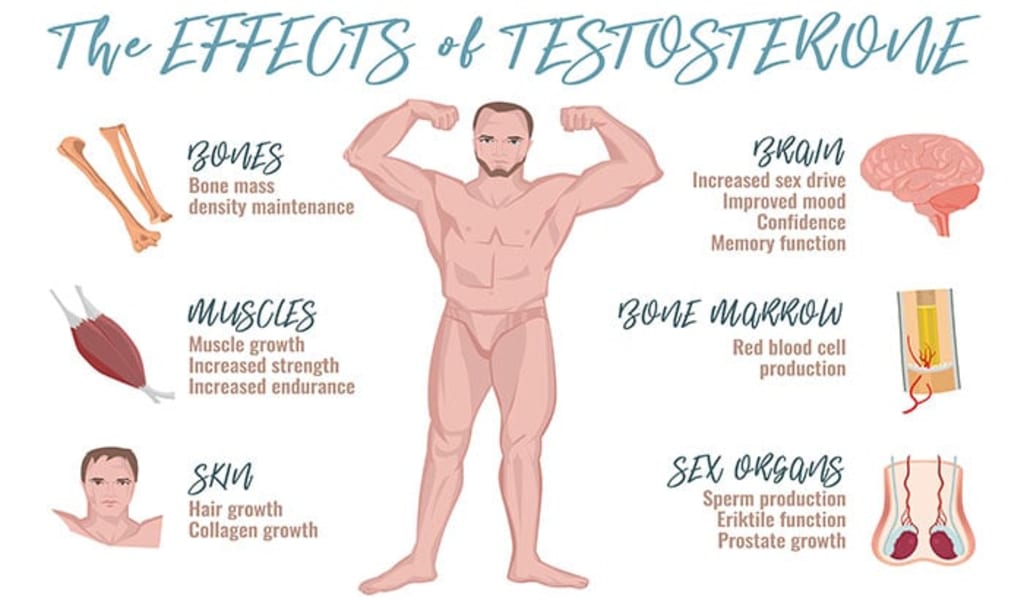
Testosterone is a vital hormone primarily produced in the testes of males and in smaller quantities in the ovaries of females. It plays a crucial role in various physiological processes, including the development of male reproductive organs, muscle mass, bone density, and overall energy levels. Testosterone also affects libido, mood, and cognitive function, making it essential for both men and women's well-being. As individuals age, testosterone levels tend to decrease naturally, leading to potential health issues.
Testosterone is a steroid hormone belonging to the androgen group, which plays a central role in the development and maintenance of male sexual characteristics. It is produced by the Leydig cells in the testes and is regulated by a complex interplay of hormones and the hypothalamus-pituitary-gonadal (HPG) axis. In females, the ovaries produce testosterone in smaller amounts, contributing to their reproductive health and overall well-being.
Beyond its role in reproductive health, testosterone also influences:
Muscle Mass: Testosterone is an anabolic hormone, promoting muscle protein synthesis and supporting muscle growth and repair.
Bone Density: Testosterone contributes to bone health by increasing mineralization and preventing bone loss.
Fat Distribution: Testosterone helps regulate fat metabolism, leading to reduced fat accumulation in certain areas and maintaining a lean body composition.
Energy Levels: Testosterone affects energy production, leading to increased vitality and endurance.
Mood and Cognitive Function: Adequate testosterone levels positively influence mood, cognitive function, and mental clarity.
Libido and Sexual Function: Testosterone plays a key role in sexual desire and performance.
Factors Affecting Testosterone Levels
Various factors can influence testosterone levels, including age, genetics, lifestyle, and overall health. As individuals age, testosterone levels tend to decline gradually, leading to potential health challenges. In some cases, hormonal imbalances or medical conditions may cause more significant drops in testosterone levels. Understanding these factors can help in formulating strategies to increase testosterone secretion effectively.
Strategies to Increase Testosterone Secretion
Healthy Diet:
A balanced and nutritious diet is crucial for maintaining optimal testosterone levels. Essential nutrients such as zinc, vitamin D, and healthy fats play key roles in testosterone production. Foods rich in zinc, like oysters, red meat, and legumes, can support testosterone levels. Vitamin D, obtained from sunlight exposure or supplements, also helps maintain adequate hormone levels. Including healthy fats from sources like avocados, nuts, and olive oil can positively influence testosterone production.
Regular Exercise:
Engaging in regular physical activity, particularly resistance training and high-intensity interval training (HIIT), can stimulate testosterone secretion. Resistance training, in particular, has been shown to boost testosterone levels in both men and women. Compound exercises such as squats, deadlifts, and bench presses can be especially effective. However, overtraining and excessive exercise can have the opposite effect and lead to decreased testosterone levels.
Adequate Sleep:
Quality sleep is essential for hormonal balance, including testosterone secretion. Lack of sleep or poor sleep patterns can disrupt the delicate hormonal interplay, leading to reduced testosterone levels. Aim for 7-9 hours of restful sleep per night to support healthy hormone production.
Stress Management:
Chronic stress can elevate cortisol levels, which may negatively impact testosterone secretion. Implementing stress-reducing techniques such as meditation, yoga, or mindfulness practices can help maintain hormonal balance.
Weight Management:
Maintaining a healthy weight is crucial for hormonal health. Both obesity and being underweight can disrupt hormone levels, leading to imbalances, including decreased testosterone secretion. A well-balanced diet and regular exercise can help achieve and maintain a healthy weight.
Minimize Alcohol Consumption:
Excessive alcohol consumption has been linked to lower testosterone levels. Reducing alcohol intake or avoiding binge drinking can positively impact hormone levels.
Avoidance of Endocrine Disruptors:
Certain environmental chemicals, known as endocrine disruptors, can interfere with hormonal function, including testosterone production. These chemicals are often found in plastics, pesticides, and some personal care products. Minimizing exposure to these substances can help preserve hormone balance.
Testosterone Replacement Therapy (TRT):
In cases where individuals have clinically low testosterone levels, testosterone replacement therapy may be considered under the guidance of a qualified healthcare professional. TRT can be administered through gels, patches, injections, or pellets and can help restore testosterone to a healthy range.
Maintaining optimal testosterone levels is essential for overall health and well-being. A combination of lifestyle factors, including a balanced diet, regular exercise, sufficient sleep, stress management, and avoiding endocrine disruptors, can support healthy testosterone secretion. However, it is essential to approach any intervention with caution and under the guidance of a healthcare professional, especially in cases where testosterone replacement therapy is considered. By adopting these strategies, individuals can take proactive steps to promote healthy hormone levels and enhance their quality of life.
About the Creator
Reynol Brennan
A small blogger who shares emotions, life, life insights, and short stories, and provides everyone with happiness, growth, and common sense of life.
Keep reading
More stories from Reynol Brennan and writers in Longevity and other communities.
How do antioxidants affect our health?
What is oxidation? Oxidation refers to the interaction of oxygen with molecules in the body, leading to the production of free radicals. Free radicals are highly reactive chemical species that can cause damage to cells and tissues by reacting with other molecules. This damage is known as oxidative stress and is closely associated with the development of various diseases and the aging process.
By Reynol Brennan3 years ago in Longevity
Why Malnutrition Is a Hidden Problem in the Elderly
When people think about malnutrition, they often imagine individuals who are underweight or living with severe food shortages. However, malnutrition can also affect older adults—even those who appear to be eating regularly.
By Being Inquisitivea day ago in Longevity




Comments
There are no comments for this story
Be the first to respond and start the conversation.