
How do antioxidants affect our health?
Antioxidants

What is oxidation?
Oxidation refers to the interaction of oxygen with molecules in the body, leading to the production of free radicals. Free radicals are highly reactive chemical species that can cause damage to cells and tissues by reacting with other molecules. This damage is known as oxidative stress and is closely associated with the development of various diseases and the aging process.
What are antioxidants?
Antioxidants are a group of compounds that can neutralize free radicals, possessing the ability to capture and stabilize these reactive species. By reacting with free radicals, antioxidants reduce the damage caused to cells, thus helping to maintain overall health.
Antioxidants are a diverse category, including various nutrients and compounds. Each type of antioxidant has its own recommended daily intake. Here are some common antioxidants and their daily recommended intake:
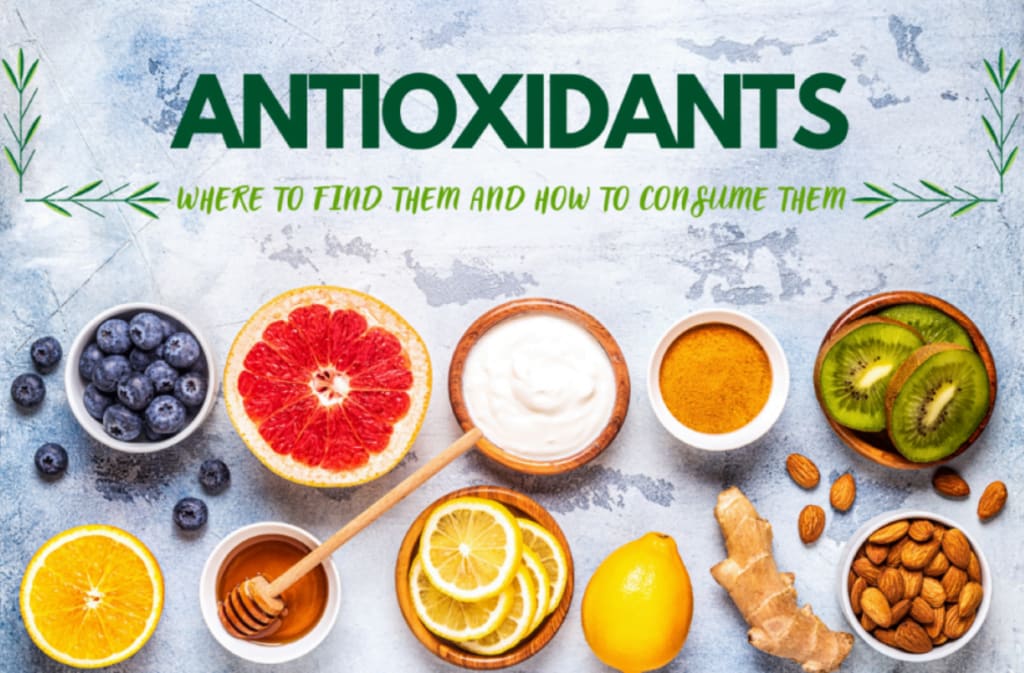
Vitamin C: Vitamin C is a water-soluble antioxidant that helps protect cells from free radical damage.
Vitamin E: Vitamin E is a fat-soluble antioxidant mainly active within cell membranes.
Beta-carotene: Beta-carotene is a brightly colored antioxidant found in many orange and yellow fruits and vegetables, such as carrots and pumpkins.
Selenium: Selenium is a mineral antioxidant that helps prevent damage to cell membranes.
Flavonoids: Flavonoids are present in many fruits and vegetables, including onions, tea leaves, and red wine.
Tea polyphenols: Tea polyphenols are potent antioxidants found in various types of tea.
Lycopene: Lycopene is an antioxidant found in red-colored foods like tomatoes and watermelons.
Anthocyanins: Anthocyanins are colorful antioxidants found in fruits like blueberries and cherries.
Quercetin: Quercetin is an antioxidant found in foods such as red wine, apples, and onions.
Glucosamine: Glucosamine is an antioxidant that can help alleviate symptoms of arthritis.
Vitamin C: The recommended daily intake is 90 milligrams for males and 75 milligrams for females.
Vitamin E: The recommended daily intake is 15 milligrams.
Beta-carotene: There is no specific daily recommendation, but a general intake of 5 milligrams per day is often suggested.
Selenium: The recommended daily intake is 55 micrograms.
How antioxidants impact health:
Antioxidant protection: Antioxidants protect cells from damage by neutralizing free radicals. They can mitigate oxidative stress, helping to maintain cellular function and structure.
Anti-inflammatory effects: Oxidative stress is closely related to inflammation. Antioxidants can reduce inflammatory responses, decreasing the production of inflammatory mediators and thereby alleviating the extent and duration of inflammation.
Enhanced immunity: Oxidative stress can influence the immune system's function. Antioxidants can boost immune cell activity and improve the body's defense against pathogens and diseases.
Delaying aging: Oxidative stress is a significant factor in the aging process. Antioxidants can mitigate cellular oxidative stress, aiding in the delay of cellular and tissue aging.
Antioxidants can be obtained through dietary sources, such as fruits, vegetables, nuts, and whole grains. Additionally, some nutritional supplements also contain antioxidant ingredients.
However, while antioxidants are beneficial to the body, excessive intake of antioxidants may also have negative effects on health.
Here are some potential issues associated with excessive antioxidant intake:
Disruption of redox balance: The body has a complex redox system that maintains cellular balance. Overconsumption of certain antioxidants may disturb this balance and interfere with normal redox reactions.
Pro-oxidant effects: Some antioxidants under specific conditions may exhibit properties similar to oxidants, promoting the generation of free radicals and causing harm to cells.
Immune suppression: Excessive intake of certain antioxidants may inhibit the normal function of the immune system, affecting its ability to defend against pathogens.
Nutritional imbalances: Relying too heavily on antioxidant supplements may lead to deficiencies in other essential nutrients, resulting in nutritional imbalances.
While it is challenging to overconsume antioxidants through dietary sources, it is possible when using supplements. If symptoms like nausea, vomiting, diarrhea, fatigue, or other discomforts occur, it may indicate antioxidant overconsumption. In such cases, discontinuing any supplement use and seeking medical assistance is advised.
About the Creator
Reynol Brennan
A small blogger who shares emotions, life, life insights, and short stories, and provides everyone with happiness, growth, and common sense of life.
Keep reading
More stories from Reynol Brennan and writers in Longevity and other communities.
A High-Salt Diet May Lead to Excessive Mortality
In recent years, concerns about the impact of dietary choices on overall health have escalated. One prominent focus has been on the effects of excessive salt consumption, which has been linked to various health issues. A high-salt diet, commonly associated with a modern lifestyle and processed food consumption, has been under scrutiny due to its potential to contribute to excessive mortality.
By Reynol Brennan3 years ago in Longevity
10 DIY Medicinal Herbs (Very Effective)
There's something deeply satisfying about growing your own medicinal herbs. For centuries, our ancestors relied on backyard gardens not just for food, but for natural remedies that supported their health and well-being.
By Edward Smith6 days ago in Longevity


Comments
There are no comments for this story
Be the first to respond and start the conversation.