
How to eat overnight food to be healthy?
Overnight dishes

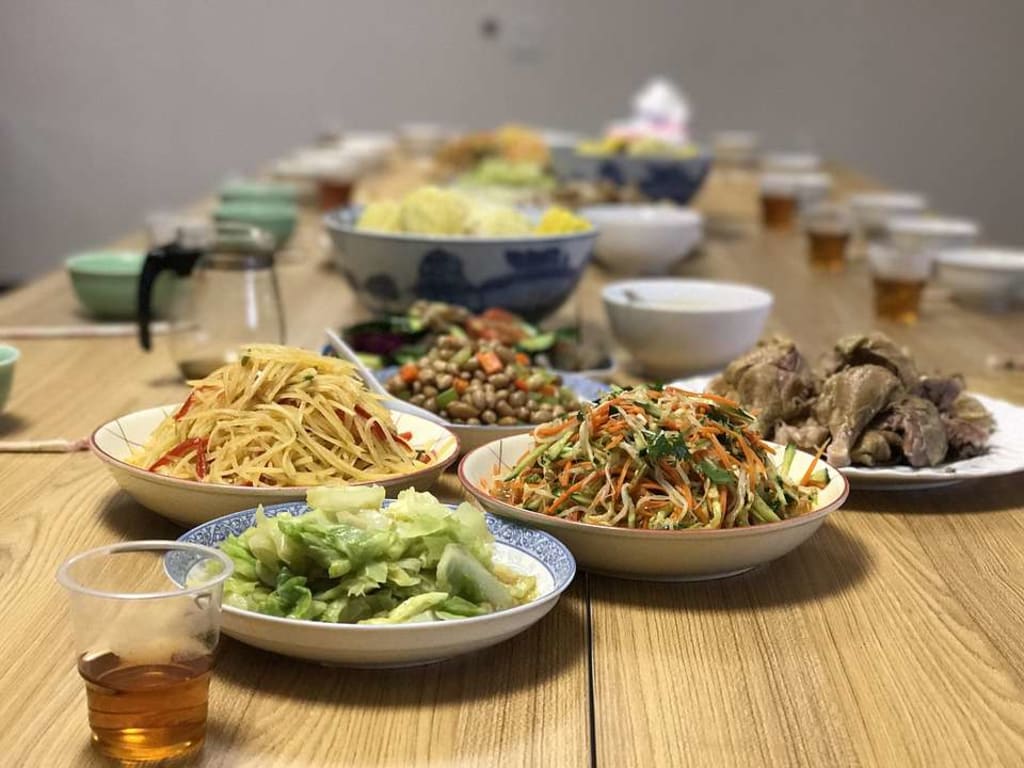
Overnight vegetables are unhealthy and cannot be summed up in a word. It has a lot to do with storage conditions, ingredients, and cooking methods. Many people worry that overnight vegetables are unhealthy because they have heard that "overnight vegetables can cause cancer"-overnight vegetables will produce a large amount of nitrite, and nitrite will enter the body to produce nitrosamines, which is a carcinogenic substance. The basis for the production of nitrite is the reproduction of bacteria in the food. Therefore, if you want to ensure the safety of overnight dishes, you must inhibit the growth of bacteria.
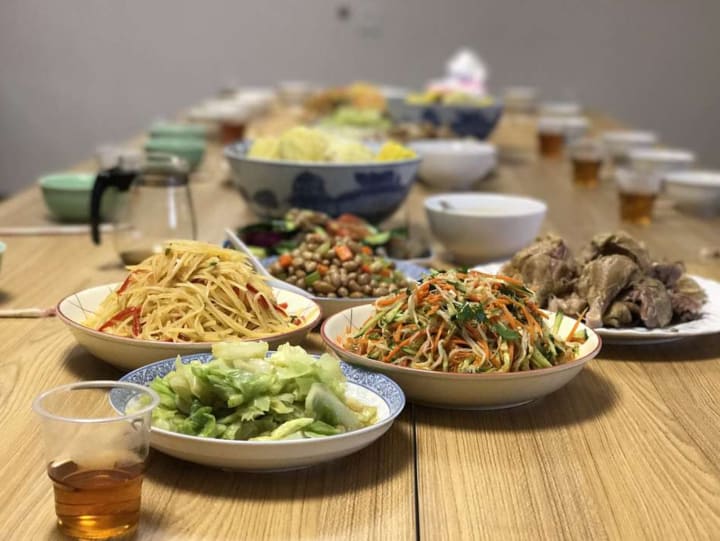
Keep leftovers depending on the temperature
First of all, it depends on the temperature. If overnight dishes are stored at room temperature of ten to twenty degrees Celsius, bacteria will multiply rapidly, which will easily lead to spoilage of dishes, produce more pathogenic bacteria or bacterial toxins, and may also greatly increase the content of nitrite.
However, if the overnight dishes are stored in an environment below 10 degrees Celsius, it is safer to leave them overnight. Although the bacterial count and nitrite content will increase, they usually do not reach the value that causes actual harm.
Vegetables better not overnight
Secondly, it depends on the ingredients. Vegetables are best not to stay overnight. From the perspective of safety, vegetables are the most prone to produce nitrite. Because vegetables contain a substance called nitrate, nitrate is originally harmless and even good for the cardiovascular system. But under the action of bacteria, the nitrate in vegetables will turn into nitrite, which is the carcinogen that we are worried about.
The meat dishes were okay overnight
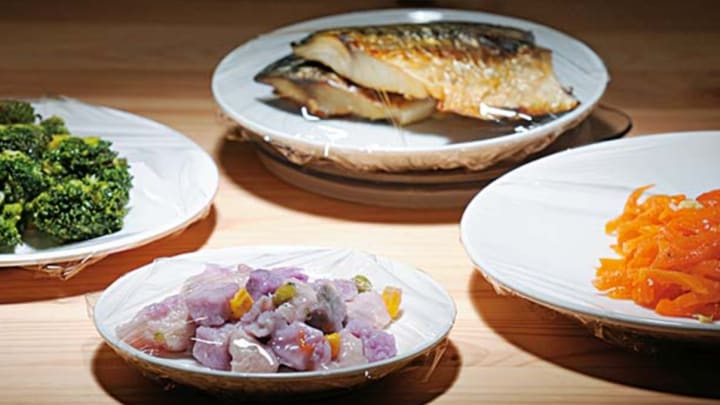
Try not to overnight aquatic products. Generally speaking, meat dishes are okay overnight. When reheating, although some B vitamins are lost, the protein and minerals can be completely retained, and the taste has not changed significantly. But aquatic products are an exception. Because the protein in aquatic products is particularly easy to be broken down by microorganisms. Studies have shown that aquatic products such as shrimps, crabs, and shellfish are often contaminated by low-temperature-resistant microorganisms. These foods are usually cooked for freshness and taste, and the heating time is short. If the heat is not thorough, it will not kill all microorganisms, even in the refrigerator. Medium refrigeration also has the risk of the reproduction of pathogenic microorganisms.
The staple food should be frozen for long-term storage. If there is rice left and you can't finish the next meal, you can divide it into small portions and store it in the refrigerator. If you have leftover pasta that is easy to dry and harden, such as cakes, steamed buns, steamed buns, dumplings, etc., you should divide them into portions that can be eaten at a time and put them in fresh-keeping bags or lunch boxes. One part is eaten the next day in the refrigerator, and the others are frozen in the freezer. Take out the steaming heat when needed, or use the "thaw" position of the microwave oven directly.
Cold dishes are prone to bacteria
Third, it depends on the cooking method. Raw cold dishes, such as shredded cabbage and shredded radish, have not been heat-sterilized and the nitrates have not been removed. Such ingredients have a bad "foundation" and are more likely to cause bacteria to grow. And cold dishes will taste strange after heating next time, so don't leave cold dishes overnight.
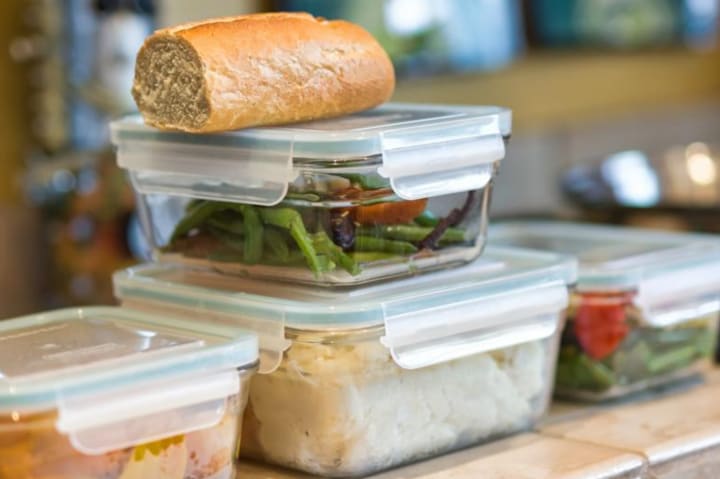
Meat cold dishes are not recommended overnight, because even if it can be kept refrigerated, bacteria will grow. If you continue to "eat cold" for the next meal in order to covet the taste, it is not safe. Of course, eating cold dishes for the first meal and heating them into hot dishes for the second meal. I have no objection to this.
Leftovers are best leftovers
Fourth, it is best to "leftovers" for leftovers. When the food comes out of the pan, there are very few bacteria. Because the process of cooking and heating is a process of high temperature sterilization. But if it is eaten on the table for a while, it is picked up by chopsticks and mixed with saliva, it is equivalent to helping the bacteria "inoculate". Therefore, if you order too many meals or cook too much, it is best to set aside some of them first (it is best to refrigerate them as much as possible), and then eat the other parts together to minimize the contact between the meals and bacteria.
Put the food in the refrigerator while it's not cold
Fifth, refrigeration must be as soon as possible. If the vegetables are cooked and put in a clean crisper without turning over, and placed in the refrigerator when they are not hot, the safety is even higher.
About the Creator
Keep reading
More stories from writers in Longevity and other communities.
Day 4 of Quitting
If this is how sobriety feels, maybe it’s better to go through life a little buzzed… this, along with other hits like, I want to kill myself, I wish I was dead, and I’m going to throw myself off a bridge have been the only thoughts on rotation these past few days. I promise myself that if, in a month, I still feel like this (‘this’ meaning despondent, full of rage, and simultaneously numb) I can go back to smoking. Until mid-February though? Nicotine is off the table.
By sleepy drafts14 days ago in Longevity
Thoughts on Vocal and the way the world is
"Death cannot stop true love, only delay it." – Wesley in The Princess Bride. I decided to come back to Vocal on a very cold and dark night at the end of December. I had been, and still am, convalescing from a horrible staph infection that had gone misdiagnosed for months. This, paired with the increasing challenges of being healthy, making the best choices for my co-parented child, being a wife, and being a director at a new job, was a lot to manage.
By Jazzy 3 days ago in Confessions


Comments
There are no comments for this story
Be the first to respond and start the conversation.