

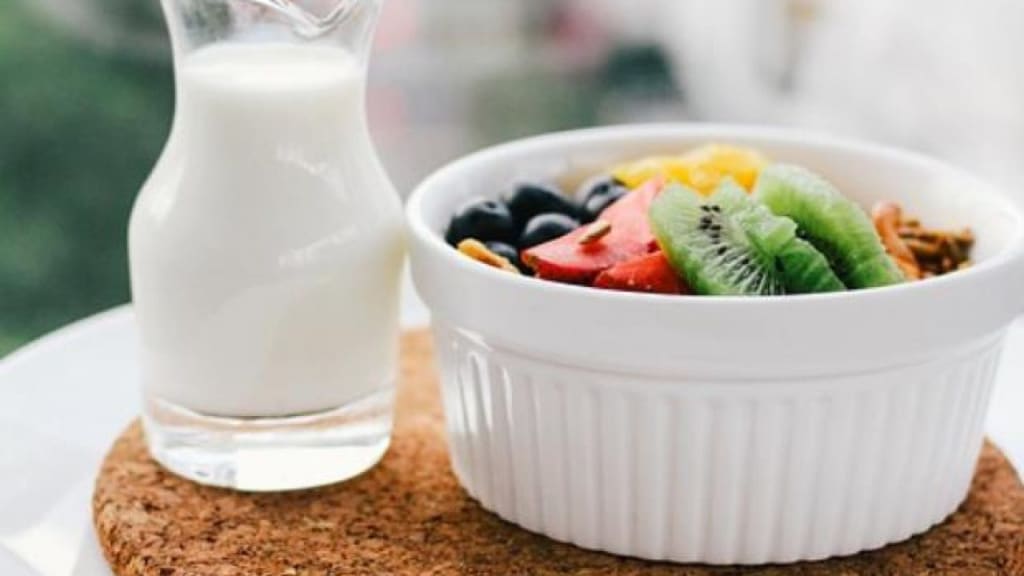
Three meals with different focus
Breakfast focuses on "energy supply". The human body can be refreshed after a night of sleep, empty stomach and intestines, and eat in the morning, and lay an irreplaceable foundation for the energy and nutrition we need for a day's activities. Studies have shown that if the food content and total calories of the day are exactly the same, eating a lot of breakfast will increase the body's energy consumption, produce a stronger sense of fullness, reduce the craving for sweets, and overall healthier. In other words, if some people like high-calorie foods, they can choose to eat them in the morning. Breakfast must have not only staple foods (bread, steamed bread, cakes, rice, porridge, etc.), but also protein foods (eggs, milk, meat, soy products), and at least one kind of vegetable or fruit, if you add a small handful Nuts, it would be more perfect. If you have no appetite in the morning, don't force yourself to eat a lot of food, but step by step. Start by drinking water and eating liquid food, such as drinking a small bowl of porridge, eating a small bowl of noodle soup, or drinking yogurt, soy milk, etc., to slowly cultivate interest in food in the morning gastrointestinal tract. As long as you persist for a period of time, the stomach and intestines know that food will come in at this time, and you can gradually develop the habit of secreting digestive juices regularly. When the appetite is gradually strong, you can increase the amount of food until it is normal.

Lunch focuses on "less oil and less salt". A good lunch makes people energetic in the afternoon, and a poor quality lunch not only reduces the efficiency of work or study, but may also bring certain health risks. Many fast foods and takeaways often add a lot of oil, salt and monosodium glutamate when cooking in order to pursue the taste. Long-term consumption will increase the risk of chronic diseases such as high blood pressure and high blood fat. Therefore, you should pay attention to less oil and salt during lunch. You can start with the following aspects: First, reduce the need for oil, such as braised eggplant, dry stir-fried beans, etc. The dishes should be steamed, boiled, and stir-fried; 2. Choose less sweet and sour pork loin, sweet and sour pork ribs and other sweet and sour dishes, which tend to have higher salt content; third, try to choose rice and steamed buns that are simple and light in taste as the staple food. If you can add sweet potatoes, corn and other miscellaneous grains, it is more ideal; It is to bring some fruits and vegetables that can be eaten raw, such as oranges, bananas, cherry tomatoes, apples, fresh dates, cucumbers, etc.
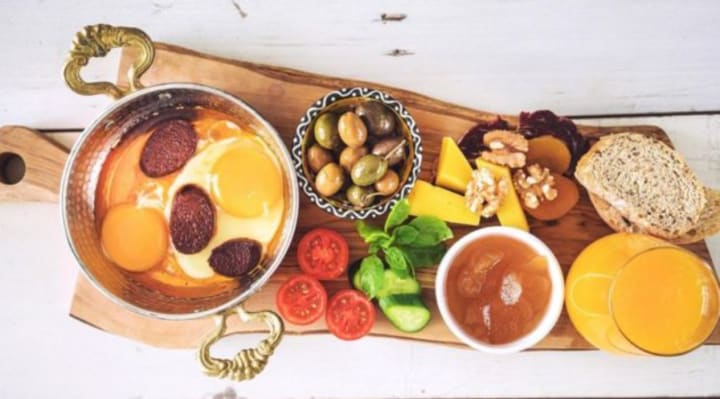
Pay attention to "checking for omissions" during dinner. When the total amount is properly controlled, a rich variety can better ensure the nutritional balance of the dinner. However, how to distribute and how much to eat depends on your food intake during the day. You should eat 12 kinds of food every day, including 3 kinds of cereals, potatoes, miscellaneous beans, 4 kinds of vegetables and fruits, 3 kinds of livestock, poultry, fish, and eggs, and milk, soybeans, and nuts. Enough for 2 kinds. At dinner, you might as well check yourselves to find out which categories you haven’t eaten enough, and focus on supplementing them. For example, there are fewer leafy vegetables during the day, and dinner can increase the proportion of green leafy vegetables; if you do not eat meat during the day, you can eat some lean meat or poultry meat, as well as fish and shrimps and other low-fat meats; if you don’t eat coarse grains during the day, you can use potatoes at night. Or whole grain porridge instead of staple food; no soy products during the day, some tofu, dried tofu, etc. can be eaten at night. For people who want to lose weight, consider the combination of fruit + unsweetened yogurt, whole grain soybean porridge + vegetables, and potatoes + soy products + vegetables. After dinner to before going to bed, do not eat more calorie foods, otherwise it will affect the digestion of the stomach and intestines, and will interfere with sleep, especially sweet drinks, nuts, biscuits, potato chips, etc., even more refusal. If you have to add meals, you can choose to eat fruits such as bananas, apples, peaches and pears.
Eight dietary recommendations for your three meals
In the daily diet, the aspects of "reasonable diet" and "balanced nutrition" are easy to be overlooked. People do not know that the nutrition of diet is closely related to disease.
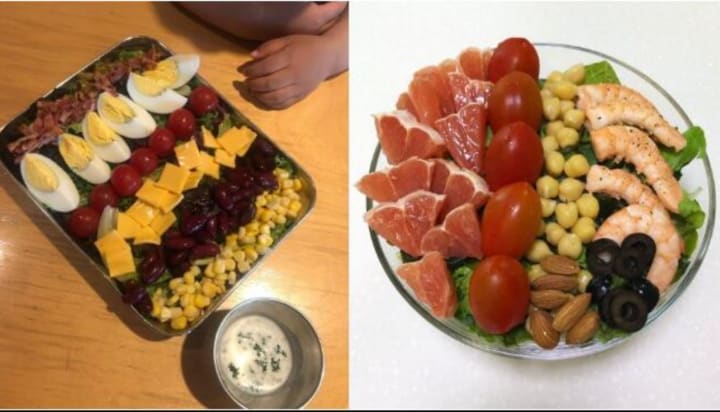
1. Control the total energy, maintain the ideal weight, and gradually lose weight for those who exceed the normal standard weight. Determine the appropriate amount of diet based on each person's height, weight, and physical activity. People over 40 years of age should prevent gaining weight in particular. The simple calculation method of normal weight is: BMI=kg (weight)/㎡ (height square), generally 19~24 is the normal range, more than 25 overweight, and more than 28 obese.
2. Appropriate amount of staple food: 5~8 taels a day, mainly rice and noodles, daily coarse grains account for 1/3 of the staple food.
3. Eat more vegetables: about 1 catty a day, pay attention to choosing dark green vegetables and red vegetables; 1 to 2 medium-sized fruits a day, and processed juice drinks cannot be substituted for fruits.
4. Appropriate amount of meat: 1 to 2 taels of fish and shrimps per day, 1 tael to 1 taels of lean pigs (or beef or mutton), chicken and duck meat can be replaced with pork after the skin is removed. 1 white boiled egg. No more than 3 egg yolks per week.
5. Half a catty of low-fat milk and half a tael of soybeans (or about 1 tael of dried tofu and 2~3 taels of tofu) a day.
6. Light and less salt: In addition to the amount of fat, the type of fat is more important. It is best to use 20 grams of vegetable oil with more unsaturated fatty acids, such as soybean oil, rapeseed oil, blended oil, tea oil, and olive oil. Wait, about 2 tablespoons. Less than 6 grams of salt a day, do not eat pickles, yellow sauce, fermented bean curd, sesame paste and other foods.
7. Foods that are forbidden or rarely used: animal fats such as lard, tallow, chicken fat, butter, etc.; animal internal organs such as brain, liver, kidneys, etc.; cholesterol-rich foods such as fatty meat, fish roe, egg yolks, and pineapple eggs Etc.; cream cakes, desserts, sweet drinks, etc.; spicy and pungent condiments; hard liquor; strong coffee, tea and broth, etc.
8. Meal arrangements should be small and frequent to avoid overeating. For dinner, attention should be paid to avoid eating too greasy and indigestible food. It is recommended to take a walk for 30 to 60 minutes after half an hour of eating.
Don't take less dietary fiber for three meals a day
A healthy person must contain at least 11.5 grams of fiber when eating 1,000 calories of food. These fibers help prevent certain diseases, such as coronary heart disease, diabetes, colon cancer, and constipation. The seven benefits let you know how good the dietary fiber is.
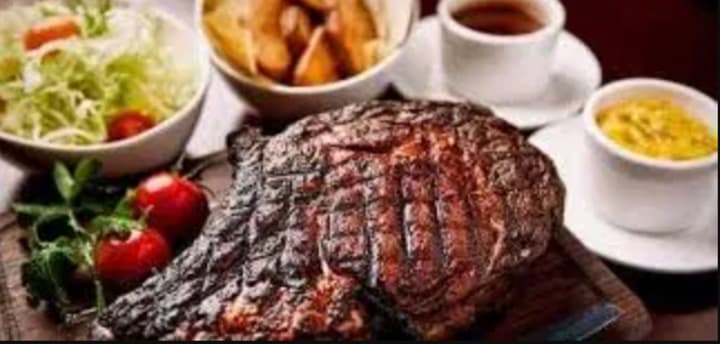
1. Help lose weight. Cellulose has a small specific gravity and a large volume. It fills the stomach cavity after eating, and it takes a longer time to digest, prolong the emptying time of the stomach, make people feel full and reduce calorie intake. At the same time, cellulose attracts fat in the intestine and excretes it out of the body, helping to reduce fat accumulation.
2. Maintain the stability of the intestinal flora. Researchers at the Stanford University School of Medicine found that lack of dietary fiber can reduce the diversity of intestinal microbes and affect the spread of intestinal flora between two generations. Once the intestinal flora of the offspring is affected, supplementing dietary fiber will not help.
3. Prevent and treat constipation. Food fiber has a large volume, which can absorb more water in the human body's gastrointestinal tract, increase the volume of stool, soften its texture, speed up the peristalsis of the intestines, and reduce the occurrence of constipation.
4. Lower blood lipids. There are some components in dietary fiber, for example, if glue can be combined with cholesterol, lignin can be combined with bile acid, so that cholesterol and bile acid are directly excreted from feces, consume cholesterol in the body to supplement the cholesterol consumed in bile, thereby reducing blood lipids.
5. Protect the skin. When the blood contains toxic substances, the skin becomes a place where it discards waste. Facial acne is formed due to excessive acid and saturated fat in the blood. People with frequent constipation have a yellow complexion because the feces stay in the intestine for too long, and toxic substances are absorbed through the intestinal wall and the blood is stained with toxins. The face of people who smoke too much looks like ashes, which is also caused by the above reasons. Dietary fiber can stimulate the peristalsis of the intestines, excrete wastes from the body in time, reduce the toxic effect of toxins on the intestinal wall, and protect the skin.
6. Control blood sugar. Some people think that one of the causes of diabetes is too little fiber in food. Foods containing a large amount of dietary fiber provide very little energy to the human body. The pectin in the fiber can prolong the residence time of food in the intestine, reduce the rate of glucose absorption, and prevent the blood sugar from rising sharply after a meal, which is conducive to diabetes. improve. At the same time, high-fiber foods can also reduce the need for insulin or general oral hypoglycemic drugs in diabetic patients.
7. Absorb toxins. In the process of digestion and decomposition of food, many toxins are bound to be produced. These harmful substances in the intestinal cavity will stimulate the mucosal epithelium. Cellulose forms a dense network when it meets water in the gastrointestinal tract, which absorbs organic matter, inorganic matter and water, and plays an important role in maintaining the normal flora structure of the gastrointestinal tract. At the same time, the toxins in the intestinal contents will be absorbed by cellulose, the intestinal mucosa's chance of contact with the toxins is reduced, and the amount of blood absorbed is also reduced.
About the Creator
Keep reading
More stories from writers in Longevity and other communities.
Day 4 of Quitting
If this is how sobriety feels, maybe it’s better to go through life a little buzzed… this, along with other hits like, I want to kill myself, I wish I was dead, and I’m going to throw myself off a bridge have been the only thoughts on rotation these past few days. I promise myself that if, in a month, I still feel like this (‘this’ meaning despondent, full of rage, and simultaneously numb) I can go back to smoking. Until mid-February though? Nicotine is off the table.
By sleepy drafts23 days ago in Longevity
Instructions Included Challenge Winners
For the Instructions Included challenge, we asked writers to tell a story through instructions and to trust the form to carry what could not be said outright. Across the top entries, that trust paid off in many different ways.
By Vocal Curation Team2 days ago in Resources


Comments
There are no comments for this story
Be the first to respond and start the conversation.