
How To Choose The Top And Right Seafood For Someone With Diabetes
How To Cook Fish Safely For Someone Who Has Diabetes

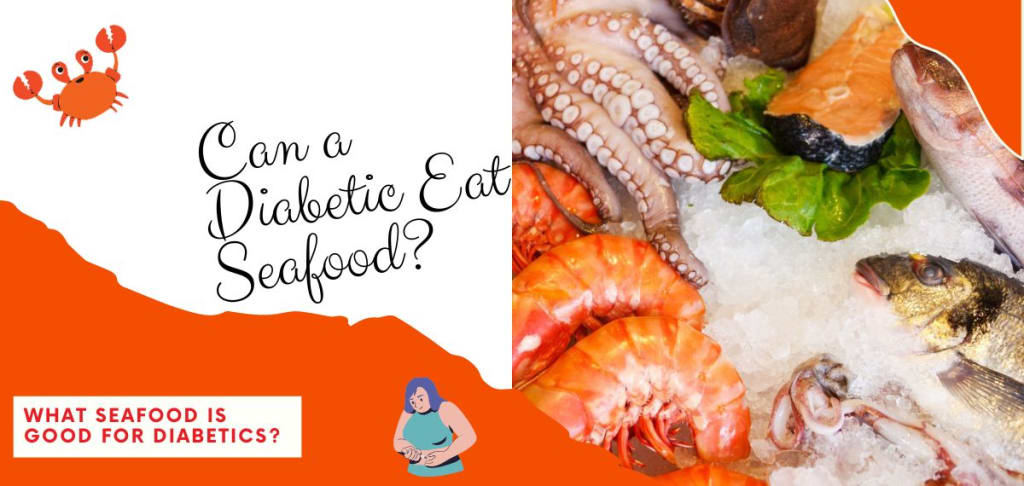
Diabetes affects millions of Americans every year. If you or someone you love has diabetes, you might wonder whether seafood is safe to eat.
Diabetes is a condition where blood sugar levels become too high because the body does not produce enough insulin (a hormone) or cannot properly use the insulin it produces. Insulin helps move glucose from the bloodstream into cells, where energy is produced. Glucose builds up in the bloodstream when the pancreas does not produce enough insulin or when the body becomes resistant to insulin. This buildup causes serious health problems such as heart disease, stroke, blindness, kidney failure, nerve damage, amputations, and death.
Seafood contains nutrients that are beneficial to diabetics. In fact, some studies show that fish oil supplements can reduce blood sugar levels. However, there are also risks associated with consuming certain types of seafood. For example, mercury levels in tuna can pose a risk to pregnant women and children. Therefore, it’s important to talk to your doctor before deciding whether or not to include seafood in your diet.
Seafood and diabetes
A large part of controlling your diabetes is eating a healthy, well-balanced diet. Seafood is an excellent option for diabetics or prediabetics.
Low in Carbs
Due to their problems processing insulin, people with diabetes have difficulty converting glucose into energy. As such, diabetics need foods that do not add extra glucose into their system. Foods such as seafood that are low in carbohydrates can do just that.
Seafood with low cholesterol
Seafood is a great source of protein and nutrients, but some types contain high levels of saturated fat and cholesterol.
Which seafood has the lowest amount of these substances? The American Heart Association recommends limiting the consumption of foods containing saturated fats and cholesterol because they increase blood cholesterol levels. Saturated fats come from animal sources such as meat, dairy, eggs, and butter. Cholesterol comes from red meats, poultry, fish, shellfish, and organ meats.
Fish contains omega-3 fatty acids, which lower bad (LDL) cholesterol and raise good (HDL) cholesterol. Fish also provides other important nutrients, such as vitamin D, calcium, iodine, selenium, zinc, and iron.
Should Diabetics Eat Seafood?
Low in trans and saturated fats
Maintaining a low cholesterol level as well as a healthy heart depends on a diet that is low in trans and saturated fats. That’s true for most of us, but especially those with diabetes. Thankfully, that fat you find in your seafood is unsaturated, and therefore healthy.
A natural source of omega-3
Many of us understand by now that fatty acids such as omega-3s are essential to combating high blood pressure, cholesterol, and heart disease. Seafood is high in omega-3s, helping diabetics better manage their condition.
Cape Porpoise Lobster offers many types of seafood to help you achieve a healthy, well-balanced diet. Look through our website today to order your first batch of Maine seafood!
What Seafood is Good for Diabetics?
Seafood for Diabetics
Fatty Fish, for some people, is the best and healthiest food on the planet. Seafood is a rich source of omega-3, fatty acids, DHA, EPA, etc., and all offer benefits for different diseases, and diabetes is one major beneficiary.
Shrimp
Many of us may not like shrimps for different reasons, one being giving high levels of unwanted cholesterol.
Nonetheless, you can have a certain quantity of shrimp that will help in managing diabetes. You may use shrimp in the form of ginger-shrimp skewers for healthy results. It does not contain many calories.
Shrimp is a high-protein food that stabilizes your blood sugar. It helps your satiety (feeling full). Carb energy will burn quickly, but proteins and fats will give a stable energy level and sail you through until your next meal.
Salmon
Salmon is a top source of omega-3, the healthiest fat that reduces inflammation in blood cells and helps manage your cholesterol level. The omega-3 fatty acids have health benefits for keeping your heart healthy, improving brain function, and good eyesight.
Most significantly, salmon will manage blood glucose levels that can improve your body’s ability to respond to insulin. You can cook it any various styles, including broiling, baking, etc.
Is Salmon Good for Diabetics?
Salmon filets, salmon patties, and salmon in sushi are all scrumptious dishes you may eat without realizing just how good they are for diabetes and insulin sensitivity.
Salmon – both canned and fresh – is a rich source of healthy omega-3 fats, protein, and carbohydrates. This means that, by default, salmon aids in weight loss and keeps you feeling fuller for longer. There’s also no risk of your blood sugar rising with every salmon meal you take.
Salmon contains potent antioxidants
Shellfish like Crab and Lobster
Consuming more fish and shellfish like (crabs and lobsters) is good for diabetic patients. However, it’s difficult to take the meat out of their shells, which makes them less known. Shellfish decreases the risk of diabetes, obesity, and heart disease, and, at the same time, promotes healthy cholesterol levels.
Crabs are a good source of chromium that helps insulin metabolize your sugar, and thus lowers high blood glucose levels in your body. Crabs may have an anti-cancer effect due to the presence of selenium in them.
Lobsters are good for type 2 Diabetics as they are a major source for providing omega-3 fatty acids.
Shellfish
Seafood like clams, mussels, and oysters is high in protein but low in calories. If you are diabetic it is recommended by the FDA that you avoid eating raw oysters or clams.
The bacteria, which is undetectable by taste or smell, can cause severe illness and even death in some patients. If you do love eating shellfish and really want to eat them, you must ensure that they are fully cooked first.
Seafood precautions for diabetic
Certain types of seafood, however, should be avoided because they may cause an increased risk of high blood sugar levels.
Seafood contains protein, fat, carbohydrates, and minerals but no significant amounts of carbohydrates. Fish and shellfish are rich in omega-3 fatty acids which are essential for brain development, vision, heart function, and immune system health. Omega-3 fatty acid supplements are available at most grocery stores and pharmacies.
People with diabetes should avoid eating large amounts of seafood because of its high content of mercury, which can be harmful to their health. Mercury is a toxic substance that accumulates in the human body and causes severe damage to the kidneys.
People with diabetes who eat too much mercury may develop kidney damage. Therefore, they should limit their consumption of tuna, swordfish (or similar fish), king mackerel, and tilefish to no more than 12 oz/month.
Seafood is an excellent source of omega-3 fats, but it is also high in salt. Diabetics should limit their intake of seafood to six ounces per week to avoid increasing their blood pressure.
About the Creator
Dany Goldraij
I love marketing , promoting new ideas and new products. I care about healthy life , fitness and dogs.
Keep reading
More stories from Dany Goldraij and writers in Longevity and other communities.
The Greatness of Alkaline Foods, the new style
pH is a measure of acidity or alkalinity of something. The alkaline diet is also called the acid-alkaline or alkaline ash diet which claims to alter the pH value of the human body, improve well-being, manage weight, and more.
By Dany Goldraij4 years ago in Longevity
Day 4 of Quitting
If this is how sobriety feels, maybe it’s better to go through life a little buzzed… this, along with other hits like, I want to kill myself, I wish I was dead, and I’m going to throw myself off a bridge have been the only thoughts on rotation these past few days. I promise myself that if, in a month, I still feel like this (‘this’ meaning despondent, full of rage, and simultaneously numb) I can go back to smoking. Until mid-February though? Nicotine is off the table.
By sleepy drafts10 days ago in Longevity
Bacterial Skin Infections
Introduction: When it comes to skin irritation, not every one of them is a simple rash. There are some bacteria that can enter the skin through tiny cuts and hair follicles. These bacteria include Staphylococcus aureus (Staph) or Streptococcus pyogenes (Strep) that can cause infections ranging from irritation and bothersome to dangerous.
By benjamin taylor5 days ago in Longevity
How to Succeed at the Benson Directory®
Congratulations and welcome to the Benson Directory® employee #22391! As our newest call handler, you will have the privilege of speaking with dozens of unique and interesting people on a daily basis as well as the opportunity to earn bonuses for high performance. Contained within this handbook you will find a set of ease to follow instructions designed to help you settle in to your new role and begin paving the way to success.
By S. A. Crawfordabout 17 hours ago in Fiction




Comments
There are no comments for this story
Be the first to respond and start the conversation.