
How Menopause Affects Heart Health and What to Do About It
The Role of Regular Health Check-Ups

As women enter menopause, hormonal changes bring about significant shifts in health, one of the most notable being an increased risk of heart disease. Before menopause, estrogen plays a protective role, helping to maintain blood vessel flexibility and regulate cholesterol. However, the decline in estrogen during menopause can lead to changes in cholesterol levels, blood pressure, and overall cardiovascular function. Understanding the connection between menopause and heart health, along with taking proactive steps to reduce risks, can help women navigate this transition with a focus on long-term cardiovascular wellness.
How Menopause Impacts Heart Health
During menopause, hormonal changes affect heart health in several ways:
Decrease in Estrogen:
Estrogen helps to maintain blood vessel elasticity, which allows blood to flow smoothly. When estrogen levels drop, blood vessels become stiffer, which can increase blood pressure and the risk of heart disease.
Cholesterol Changes:
Post-menopause, LDL cholesterol (the “bad” cholesterol) levels often rise, while HDL cholesterol (the “good” cholesterol) may decrease. This imbalance can lead to plaque buildup in the arteries, increasing the risk of heart attacks and strokes.
Increased Blood Pressure:
As estrogen decreases, many women experience a rise in blood pressure. High blood pressure puts strain on the heart and blood vessels, raising the likelihood of developing heart disease.
Changes in Fat Distribution:
Menopause is often associated with weight gain, especially around the abdomen. This shift to more central fat distribution, also known as “belly fat,” is linked to a higher risk of cardiovascular issues, as visceral fat is more metabolically active and can contribute to inflammation and heart disease.
Blood Sugar Sensitivity:
Menopause can lead to insulin resistance, which affects the way the body manages blood sugar. This can increase the risk of developing type 2 diabetes—a major risk factor for heart disease.
Increased Inflammation:
Studies show that menopause is associated with higher levels of inflammation in the body, which contributes to artery damage and raises the risk of heart disease.
Signs to Watch For
Because symptoms of heart disease in women can be subtler than in men, it’s essential for women going through menopause to recognize potential warning signs, which may include:
Chest Pain or Discomfort: Often not as sharp as in men, chest pain in women may feel like pressure or tightness.
Fatigue: Unusual or persistent fatigue can indicate heart problems.
Shortness of Breath: Breathlessness, especially with minimal exertion, may signal heart issues.
Pain in the Neck, Jaw, or Upper Back: Women may feel discomfort in these areas instead of chest pain.
Dizziness or Lightheadedness: This can occur due to reduced blood flow to the heart.
What You Can Do to Protect Heart Health During Menopause
Adopt a Heart-Healthy Diet:
Emphasize a diet rich in fruits, vegetables, whole grains, lean proteins, and healthy fats. The Mediterranean diet, which focuses on these foods, has been shown to benefit heart health and may reduce inflammation.
Limit saturated fats, processed foods, and added sugars, which contribute to weight gain, high cholesterol, and blood sugar issues.
Exercise Regularly:
Engage in aerobic exercises like walking, cycling, or swimming for at least 150 minutes per week. Strength training exercises, such as weightlifting, are also beneficial, helping maintain muscle mass and bone density while improving insulin sensitivity.
Regular physical activity can help control weight, lower blood pressure, improve cholesterol levels, and reduce inflammation.
Manage Blood Pressure and Cholesterol:
Regular check-ups with your healthcare provider can help monitor and manage blood pressure and cholesterol levels. If needed, lifestyle changes and medications can help keep these levels in check.
Aim to keep your blood pressure below 120/80 mm Hg and cholesterol levels within a healthy range as recommended by your doctor.
Maintain a Healthy Weight:
Menopause often brings about weight gain, particularly around the abdomen, which increases the risk of heart disease. Practicing portion control, choosing nutrient-dense foods, and staying active can help prevent excess weight gain and improve overall heart health.
Monitor Blood Sugar Levels:
As menopause can affect insulin sensitivity, it’s wise to check your blood sugar regularly, especially if you have a family history of diabetes or other risk factors.
Incorporating whole grains, lean proteins, and fiber-rich foods into your diet can help regulate blood sugar.
Quit Smoking:
Smoking damages blood vessels and significantly increases heart disease risk. If you smoke, consider joining a cessation program, seeking support, or using tools like nicotine patches or gum to quit.
Limit Alcohol Intake:
While moderate alcohol intake may have some heart benefits, excessive drinking can raise blood pressure, contribute to weight gain, and increase the risk of heart disease. Limit alcohol to no more than one drink per day.
Consider Hormone Replacement Therapy (HRT) Carefully:
HRT can alleviate menopause symptoms, but it’s essential to discuss the risks and benefits with your doctor, as certain types of HRT may influence heart disease risk.
For some women, HRT can help relieve menopause symptoms without significantly impacting heart health, but this decision should be made on an individual basis.
Manage Stress:
Chronic stress can negatively impact heart health. Adopting stress-relief techniques like mindfulness, meditation, or spending time with loved ones can benefit your overall health and heart.
Regular exercise, engaging in hobbies, and setting aside time to relax can all help reduce stress levels.
Get Quality Sleep:
Menopause can disrupt sleep, which can indirectly affect heart health. Practice good sleep hygiene by maintaining a consistent sleep schedule, limiting caffeine intake in the afternoon and evening, and creating a relaxing bedtime routine.
Poor sleep is associated with increased blood pressure, weight gain, and insulin resistance, all of which can contribute to heart disease.
The Role of Regular Health Check-Ups
Menopause is a crucial time to work closely with your healthcare provider to monitor heart health. Regular screenings for blood pressure, cholesterol, and blood sugar can help detect any early signs of cardiovascular issues. Additionally, understanding your family history and any specific risk factors can help your doctor create a personalized plan for maintaining heart health.
The transition to menopause is a natural stage of life, but it brings unique challenges for heart health. By understanding how menopause impacts cardiovascular risk and adopting lifestyle habits that support a healthy heart, women can manage this phase proactively. Embracing a balanced diet, regular physical activity, stress management, and routine medical care are powerful steps in ensuring that your heart remains strong and healthy well into the future.
About the Creator
Keep reading
More stories from DIGITAL HUB and writers in Longevity and other communities.
The Connection Between Pregnancy and Heart Health
Pregnancy is a time of profound change for the body, and one of the most significant transformations occurs in the cardiovascular system. As the body adjusts to support the growing baby, the heart and blood vessels experience an increased workload. In most women, these changes are temporary and resolve after childbirth, but in some cases, pregnancy can uncover or exacerbate heart-related issues. Recognizing how pregnancy impacts heart health, understanding the risks, and knowing how to manage these changes are crucial for a safe pregnancy and long-term well-being.
By DIGITAL HUBabout a year ago in Longevity
Day 4 of Quitting
If this is how sobriety feels, maybe it’s better to go through life a little buzzed… this, along with other hits like, I want to kill myself, I wish I was dead, and I’m going to throw myself off a bridge have been the only thoughts on rotation these past few days. I promise myself that if, in a month, I still feel like this (‘this’ meaning despondent, full of rage, and simultaneously numb) I can go back to smoking. Until mid-February though? Nicotine is off the table.
By sleepy drafts14 days ago in Longevity
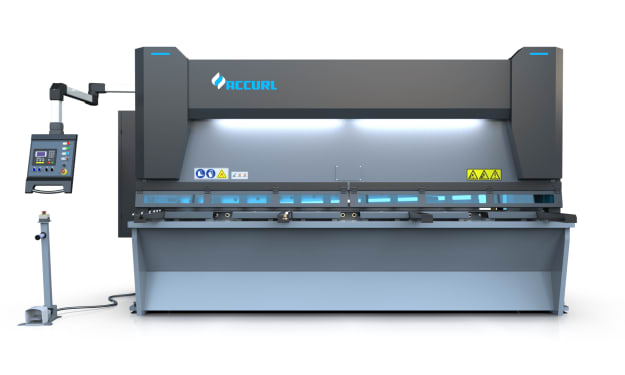
Is a Guillotine Machine Right for Your Business? Key Factors to Consider
Choosing the right cutting equipment is a critical decision for any fabrication, engineering, or manufacturing business. Whether you’re handling occasional sheet metal work or running high-volume production, the tools you use directly affect accuracy, efficiency, and profitability. One option many businesses consider is a guillotine machine, but is it the right fit for your operation?
By Axe Statusa day ago in Longevity



Comments
There are no comments for this story
Be the first to respond and start the conversation.