
How many calories should I eat in a day?
Calories and how they work in the body


Calories and how they work in the body
The human body is a caloric machine and needs energy in order to function and live. Calories are the main source of energy for the body. The body can either get energy from food or from the energy stored in the body. When you eat, the body breaks down the food into its component parts. The body then uses these parts to create energy. The body also uses energy from the stored energy in the body.
The energy that is used from the food and the stored energy is called the basal metabolic rate (BMR). The BMR is the number of calories that the body burns everyday just to stay alive. The BMR is usually around 1,500-2,000 calories. The body uses these calories to do things like breathing, moving, and digesting food. The number of calories that the body uses every day is called the daily calorie requirement (DCR). The DCR is the number of calories that the body needs in order to maintain its current weight.
When we eat more calories than we need, our bodies store the excess as fat. When it comes to weight loss, calories are often the first thing that people focus on. And while managing your calorie intake is important, it’s not the only factor that matters. In order to lose weight, you also need to make sure that you’re getting the right nutrients and exercising regularly.
But what exactly are calories and how do they work in the body?
Calories are a unit of energy. When you eat or drink, you’re taking in calories. And when you’re physically active, you’re using up calories. The number of calories you need each day depends on factors like your age, height, weight, and activity level. Most of the time, the calories you take in are used to support essential body functions, like breathing and digesting food. But if you consume more calories than your body needs, the excess will be stored as fat.
To lose weight, you need to create a calorie deficit
When we need more energy than we have stored as fat, we need to eat more food. The number of calories we need depends on our age, gender, activity level, and several other factors.
How to calculate your daily caloric needs.
Calculating your daily caloric needs is a relatively simple process if you know a few key things. The first thing to remember is that your basal metabolic rate (BMR) is a key factor in calculating your daily caloric needs. Your BMR is the number of calories your body needs to function at a basic level. This number can be found by multiplying your weight by 10.2. The next thing to consider is your activity level. The more active you are, the more calories you need. Finally, you'll want to add in any additional calories you burn through physical activity. To calculate your daily caloric needs, simply multiply your BMR by your activity level and add in any additional calories you burn through physical activity.
Different factors that can affect caloric intake.
There are many different factors that can affect how many calories you consume in a day. Here are just a few:
(i). Your age. As you get older, your metabolism slows down, and you may need fewer calories to maintain your weight.
(ii). Your activity levels. If you have a sedentary lifestyle, you will require fewer calories than someone who is very active.
(iii). Your weight. If you are overweight, you may need to consume fewer calories to lose weight.
(iv). Your gender. Men generally require more calories than women.
(v). Your medical conditions. If you have any medical conditions that affect your appetite or metabolism, this can also affect how many calories you need.
(vi). Your medications. Certain medications can also affect your caloric intake.
(vii). Your stress levels. If you are under a lot of stress, you may find that you have less of an appetite and may not eat as much.

How to find out how many calories you should be eating on a daily basis.
Calories are a big part of your diet, but it's easy to forget how many you're eating when you're not counting them. To help you stay on track, here are a few tips for how to count calories:
(i). Use a calorie counter.
This is the most accurate way to track your calorie intake, but it's also the most time-consuming. If you don't have a calorie counter, try to estimate how many calories you're eating by looking at the nutritional information on food items.
(ii). Make a meal plan.
If you want to be more precise with your calorie intake, make a meal plan and track how many calories you're consuming for each meal. This way, you can get a better idea of how many calories you're eating on a daily basis.
(iii). Cut out high-calorie foods.
If you're trying to lose weight, it's important to cut out high-calorie foods and drinks and you need to create a calorie deficit. This means you need to burn more calories than you consume.
But how many calories should you eat?
The answer depends on a few factors, including your age, gender, activity level, and weight-loss goals. The Centre for Disease Control and Prevention (CDC) recommends that most adults aim for a deficit of 500 to 750 calories per day to lose about 1 to 1.5 pounds per week.
If you want to lose weight at a faster rate, you can aim for a deficit of 1000 calories per day. This will help you lose about 2 pounds per week.
Keep in mind that these are general guidelines. Your specific calorie needs may be higher or lower. To determine how many calories, you need to lose weight, you can use an online calculator. Once you know your calorie needs, you can create a healthy eating plan that includes a mix of nutrient-rich foods.

Tips on how to maintain a healthy weight by eating a balanced diet and exercising.
One simple way to help maintain a healthy weight is to be aware of the calories in the foods you eat. A calorie is a unit of energy that your body uses to function. Your body needs a certain number of calories each day to carry out its basic functions. The number of calories you need depends on factors such as your age, sex, and level of physical activity.
If you consume more calories than your body needs, you may gain weight. On the other hand, if you consume fewer calories than your body needs, you may lose weight.
To help maintain a healthy weight, it’s important to balance the number of calories you consume with the number of calories your body uses. You can do this by eating a variety of healthy foods and being physically active.
Here are some tips to help you maintain a healthy weight
Eat a variety of nutritious foods. Make sure to include plenty of fruits, vegetables, whole grains, and lean proteins in your diet.
It is simpler to keep lifestyle adjustments made gradually rather than drastically. For a period of three days, we were allowed to record the meals and liquids we drank as well as how much activity we got in. It won't be difficult to identify areas for improvement:
Leaving out breakfast? It might be gradually included into our routine with the help of a small bowl of muesli, some bread, or fruit. Too few vegetables and fruits? We can add one extra piece per day to start.
Favorite high-fat foods? Eliminating them suddenly could have a negative reaction and cause us to revert to our previous behaviors. Instead, we might pick for lower-fat products and consume them in fewer, smaller amounts.
What are the benefits of eating a healthy diet?
There are many benefits to eating a healthy diet, including:
– You will feel better overall.
– You will have more energy.
– You will have better skin.
– You will have healthier hair.
– You will have a lower risk of developing chronic diseases.
– You will have a lower risk of developing obesity.
– You will have a lower risk of developing type 2 diabetes.
– You will have a lower risk of developing heart disease.
– You will have a lower risk of developing some types of cancer.

What are the caloric requirements for a healthy diet?
Caloric requirements for a healthy diet vary depending on the person’s sex, age, muscle mass, and activity level. The American Dietetic Association (ADA) recommends that women consume at least 1,600 kcal per day and men consume at least 1,800 kcal per day. The basic caloric requirement for an adult male is the equivalent of about 2300 kcal per day. The recommended caloric intake for a sedentary woman is 1,500 kcal per day and for a moderately active woman is 1,800 kcal per day.
What are the best ways to track your caloric intake?
There are many different ways to track your caloric intake, and which one is right for you will depend on your personal preferences and lifestyle.
One popular method is to use a food journal, in which you track everything you eat and drink for a predetermined period of time (e.g. a day or week). This can be a helpful way to assess your caloric intake and track any changes over time.
Another way to track your caloric intake is to use a calorie counting app, such as MyFitnessPal or LoseIt! These apps allow you to input all of your food and drink intake into the app, and then track your calorie totals over time. This can be a helpful way to ensure that you are consuming the right amount of calories each day.
Whatever method you choose, it is important to be mindful of your caloric intake and to make sure that you are staying within your calorie limits. By tracking your caloric intake, you can make sure that you are staying within your daily prescribed calories to maintain optimum health.
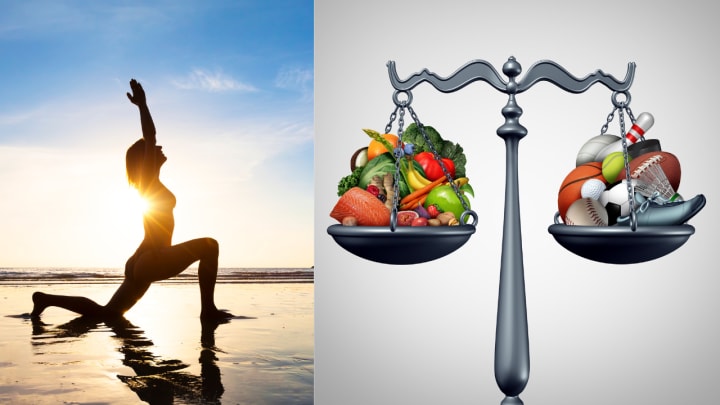
What are the best foods to eat to maintain a healthy weight?
There are many foods that can be included in a healthy diet to help maintain a weight. Some of the best foods to eat to maintain a healthy weight include:
(i) fruits and vegetables: Ideally, people should eat a variety of fruits and vegetables every day to get the most benefit. Vegetables are a great way to get your fill of nutrients and fiber, both of which are essential for keeping your weight under control. They also tend to be low in calories and fat, so they’re a great option for weight loss as well. Eating a variety of colors and flavors helps to keep the food interesting and helps to keep people from getting bored.
(ii) lean protein: Lean protein is a key part of a healthy diet and is essential for building and repairing muscle tissue. It’s also a great source of energy, so making sure you include enough of it in your diet is key for maintaining a healthy weight. Protein helps to keep people feeling full and helps to regulate blood sugar levels. Some good sources of lean protein include poultry, fish, eggs, legumes, and low-fat dairy products.
(iii) whole grain breads and cereals: Whole grain breads and cereals are a good source of fiber and nutrients. They are also low in calories and can help to keep people feeling full.
(iv) low-fat dairy products: Low-fat dairy products are a good source of calcium and protein. Plus, they’re low in calories and fat, which can help you maintain your weight.
(v) Fibrous fruits and vegetables - You will lose weight even if the only dietary change you make is to consume more fiber. A recent study published in the Annals of Internal Medicine indicated that dieters who were instructed to consume at least 30 grams of fiber daily but were not given any other dietary guidelines lost a substantial amount of weight. Fiber-rich foods not only help you feel fuller more quickly and for longer periods of time, but they also stop your body from absorbing some of the calories from the food you eat.
What are the best ways to reduce calorie intake?
One simple way to reduce your calorie intake is to eat more meals at home. Home cooked meals tend to be healthier and lower in calories than restaurant meals. another way to reduce your calorie intake is to choose lower calorie foods when you eat out. For example, order a grilled chicken sandwich instead of a cheeseburger. You can also reduce your calorie intake by cutting back on high calorie snacks and desserts. Choose fruit or low-fat yogurt instead of cake or ice cream. Finally, make sure you are getting enough exercise. Exercise not only helps you lose weight but can also help you maintain a healthy weight.

Conclusion
You can acquire and keep a healthy weight by consuming a set quantity of calories each day. According to other research, eating the right quantity of calories for you while maintaining a healthy diet can also help you live longer and enhance your health. It is advisable to first comprehend the established suggested calorie intakes before deciding how many calories you should consume each day. From there, you can consider other variables to determine your optimal calorie intake based on your body type and health-related objectives.
Please check out my other posts for fantastic content on how to maintain a healthy lifestyle.
About the Creator
Steven Gounden
Making money is an art and doing great business online is the ultimate art form.I specialize in media relations, content creation, and campaign strategies. Let me show you how to reach a win-win result for your clients.
Keep reading
More stories from Steven Gounden and writers in Longevity and other communities.
Healthy Eating on a Student Budget: A Realistic Weekly Guide
Being a student in Malaysia often comes with tight budgets, packed schedules, and unpredictable class timetables. But eating healthy food on a student budget in Malaysia doesn’t have to be impossible. With a little planning, local ingredients, and RM-based budgeting, you can enjoy cheap healthy meals in Malaysia while supporting your energy, focus, and overall health.
By Being Inquisitive4 days ago in Longevity
Why You Seniors Love Chocolate: The 10 Essential Points
Dear senior friend, There is something deeply comforting about dark chocolate. It carries memories, warmth, and a sense of quiet pleasure. At this stage of life, small rituals matter more than ever. A simple square of good-quality dark chocolate can become one of those daily moments that feel both indulgent and intentional.
By Bubble Chill Media 5 days ago in Longevity


Comments (1)
Very informative.