
7 Gear-Heavy Sports Worth Trying
Here are some sports that require a little prep before play.
There’s something undeniably appealing about diving into a sport that requires more than just a ball and a pair of shoes. Gear-intensive sports offer not only physical engagement but also the joy of mastering equipment, learning rituals, and becoming part of tightly knit communities. For enthusiasts who love craftsmanship, tradition, and tangible connection through gear, these sports promise more than adrenaline—they offer an experience steeped in precision, patience, and personality.
Fishing
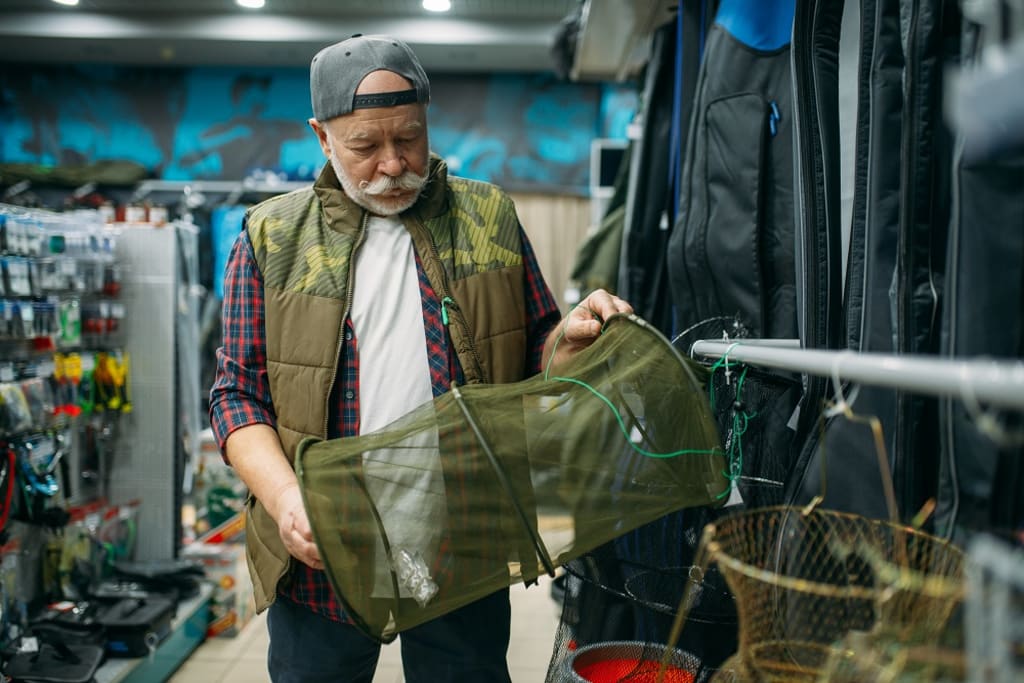
A timeless favorite, fishing is as much about serenity as it is about technique. Whether casting a line into a quiet lake at dawn or navigating ocean currents in search of deep-sea prizes, the gear is central to the experience. Essential tools include rods, reels, various lures and bait, and in some cases, waders or a boat. The simplicity of the objective—catching fish—contrasts with the complexity and personalization of the setup. Anglers often form deep bonds with their equipment, tuning their tools to specific conditions or species. Fishing’s appeal lies in the calm it offers and the skill it rewards, making it both meditative and thrilling.
Archery
Archery draws a straight line from ancient history to modern sport, and the gear has evolved just as beautifully. Participants can choose from recurve bows, compound bows, or the traditional longbow, each requiring a different technique and setup. Add to this the precision-engineered arrows, target systems, protective armguards, and stabilizers, and you begin to see why archery enthusiasts are passionate about their gear. Beyond the technical aspects, archery cultivates discipline, balance, and mental clarity. For those who enjoy steady focus and incremental improvement, this is a sport that feels both primal and refined.
Falconry
One of the oldest and most specialized sports on this list, falconry involves training birds of prey to hunt small game in cooperation with a human handler. Falconry equipment and gear include leather gloves, hoods for the birds, perches, telemetry trackers, and more—but it’s the relationship between falconer and raptor that is truly irreplaceable. Unlike other sports, falconry isn’t entered lightly: it demands a permit, mentorship, and a long-term commitment to animal care and ethical hunting. Yet for those drawn to its depth and legacy, falconry offers an unmatched bond with nature and tradition.
Skiing and Snowboarding
For fans of speed and mountain views, few things rival carving across a snow-covered slope. Skiing and snowboarding require a head-to-toe arsenal: skis or boards, bindings, boots, helmets, goggles, and layered, weatherproof clothing. Each piece contributes to performance and safety on the mountain, and choosing gear is an involved process based on personal style, skill level, and terrain. From groomed trails to backcountry powder, these winter sports combine athleticism with a deep appreciation for the outdoors. The initial investment in gear and lift access can be steep, but the adrenaline rush and alpine scenery make it well worth it.
Fencing
Often dubbed "physical chess," fencing is a sport of quick reflexes, tactical thinking, and precise movement. Each of its three disciplines—foil, épée, and sabre—uses a different type of sword and scoring system, requiring competitors to master both their weapon and strategy. The gear includes a weapon, mesh mask, padded jacket, underarm protector, and electronic scoring equipment. Fencers move with intensity and grace, and the sport’s emphasis on tradition and etiquette gives it a refined edge. For anyone looking to blend historical flair with modern athleticism, fencing delivers both.
Hockey
Ice hockey is a fast-paced, high-intensity sport where the right gear isn’t optional—it’s essential. Players rely on an array of hockey supplies to stay safe, agile, and competitive on the ice: skates for speed, sticks for precision, helmets and pads for protection, and gloves that offer grip without sacrificing movement. Each item carries its own history—custom-taped sticks, scarred helmets, and broken-in pads all speak to battles fought and skills earned. In the tight-knit culture of the rink, gear becomes more than equipment; it’s a language of dedication, resilience, and personal style, making every piece of hockey supplies a reflection of the player behind it.
Golf
Often associated with calm landscapes and methodical play, golf is a gear-heavy pursuit requiring precision at every level. A typical golfer’s arsenal includes a variety of clubs (drivers, irons, wedges, putters), specialized golf balls, tees, gloves, and often personal accessories like rangefinders and swing analyzers. Add in custom-fitted shoes, bags, and course-specific gear, and it’s easy to see why golf invites deep personal investment. What makes golf particularly appealing is its blend of leisure and technical mastery—it challenges your mental game as much as your swing, and its gear evolves right alongside its players’ skill levels.
Choosing a gear-intensive sport is less about the equipment and more about what excites you—whether it’s the calm of casting a line, the precision of archery, or the rush of blades on ice. These activities offer more than physical challenge; they invite you into a world where the tools are part of the experience, shaping rituals, skills, and identity. Each piece of gear becomes a link between tradition and personal expression, connecting you not only to the sport but to a broader community of makers, adventurers, and enthusiasts.
About the Creator
Keep reading
More stories from Kara Masterson and writers in Longevity and other communities.
5 Essential Tools to Help Make Life Easier for ALS Patients
Living with ALS (Amyotrophic Lateral Sclerosis) can present many challenges, both physically and emotionally. However, there are tools available that can help make daily tasks easier and improve the quality of life for patients. This article will explore five essential tools designed specifically for individuals living with ALS.
By Kara Mastersonabout a year ago in Longevity
Day 4 of Quitting
If this is how sobriety feels, maybe it’s better to go through life a little buzzed… this, along with other hits like, I want to kill myself, I wish I was dead, and I’m going to throw myself off a bridge have been the only thoughts on rotation these past few days. I promise myself that if, in a month, I still feel like this (‘this’ meaning despondent, full of rage, and simultaneously numb) I can go back to smoking. Until mid-February though? Nicotine is off the table.
By sleepy drafts11 days ago in Longevity
Cloud's advice
A Conversation with the Cloud Friday, 5 January 2018 By Javed Iqbal Dark clouds had spread across the sky. They were so thick and heavy that even during the daytime, it felt as if night had fallen. Zeeshan was walking quickly toward his fields. He was worried that if it started raining, the bundles of wheat lying in the open would be damaged. He wanted to cover them with plastic sheets before the rain arrived.
By Sudais Zakwan3 days ago in Longevity




Comments
There are no comments for this story
Be the first to respond and start the conversation.