
How Flexibility and Mobility Can Redefine Aging in Your 40s and 50s
Discover How Flexibility and Mobility Training Can Transform Your 40s and 50s for a Healthier Tomorrow

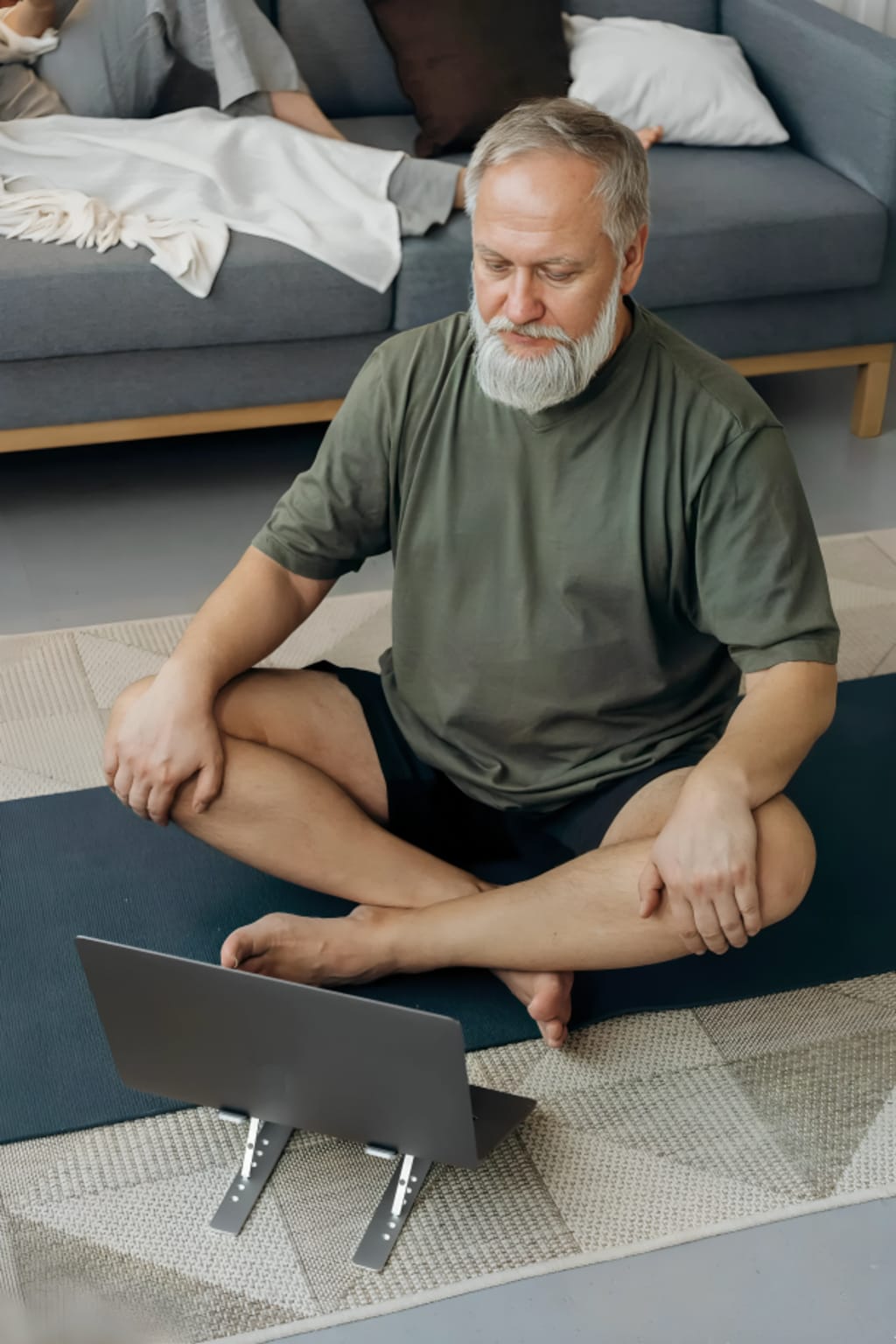
Aging is an inevitable part of life, but how we age is largely within our control. While many prioritize strength training or cardio exercises, there’s a critical aspect of fitness that often gets overlooked: flexibility and mobility. These two factors are the unsung heroes of maintaining youthful movement, reducing injuries, and enhancing overall quality of life.
If you're in your 40s or 50s and haven’t yet incorporated flexibility and mobility exercises into your routine, now is the time to start. Let’s explore why these practices are vital and how they can transform the way you age.
The Consequences of Neglecting Flexibility and Mobility
1. Natural Changes in the Body with Age
As we grow older, our muscles and tendons naturally lose elasticity. Without regular stretching or mobility work, they begin to shorten and tighten. This process can lead to:
Stiffness in joints: Making everyday activities like bending or reaching more difficult.
Decreased range of motion: Limiting your ability to move freely.
Higher risk of injuries: Tight muscles are more prone to strains and tears.
2. The Impact on Balance and Stability
Flexibility and mobility play a significant role in maintaining balance. Neglecting these areas can lead to a decline in coordination and stability, increasing the likelihood of falls—a common concern in older adults.
3. Chronic Pain and Discomfort
Stiff muscles and joints can contribute to chronic pain conditions such as lower back pain, neck stiffness, and even arthritis. Without intervention, these issues can worsen over time, impacting your overall quality of life.
The Benefits of Flexibility and Mobility Training
On the flip side, incorporating flexibility and mobility exercises into your daily routine can yield remarkable benefits. Let’s break down how they can enhance your life:
1. Improved Physical Performance
Flexibility and mobility exercises aren’t just for yoga enthusiasts. They directly improve physical performance by:
Enhancing your posture
Allowing for better movement patterns during workouts
Reducing muscle imbalances that can hinder strength gains
2. Injury Prevention
When muscles are supple and joints move freely, the risk of injury significantly decreases. Whether you’re lifting weights, running, or simply playing with your grandchildren, a flexible body is a resilient body.
3. Increased Longevity of Movement
Think of your muscles and connective tissues as rubber bands. A rubber band that is stretched regularly remains elastic and functional, while one that’s left unused becomes brittle and prone to breaking. Regular flexibility and mobility training ensures that your body remains supple and capable of movement well into your later years.
4. Enhanced Mental Well-being
Flexibility exercises such as yoga or Pilates are not just physical practices; they also promote mental relaxation. These practices can reduce stress, improve focus, and boost overall mental health—key factors for thriving in your 40s and 50s.
How to Get Started with Flexibility and Mobility Training
The best part? Incorporating flexibility and mobility exercises doesn’t require hours of commitment. Just 15-30 minutes a day can make a significant difference. Here’s how to get started:
1. Warm-Up Before Stretching
Begin with a 5-10 minute warm-up to increase blood flow and prepare your muscles for stretching. Light cardio or dynamic movements like leg swings and arm circles work well.
2. Incorporate Dynamic Stretching
Dynamic stretches involve controlled movements that take you through your full range of motion. Examples include:
Hip circles
Lunges with a twist
Arm swings
These movements improve flexibility and mobility while also preparing your body for more intense activities.
3. Static Stretching for Deeper Flexibility
After your workout or at the end of the day, spend time on static stretches. Hold each stretch for 20-30 seconds, focusing on key areas such as:
Hamstrings
Calves
Hip flexors
Shoulders
4. Practice Yoga or Pilates
Both yoga and Pilates are excellent for improving flexibility and mobility. They also strengthen stabilizing muscles and promote mindfulness, adding mental health benefits to your routine.
5. Use Tools to Enhance Mobility
Foam rollers, resistance bands, and massage balls can help release tight muscles and improve range of motion. Incorporate these tools into your routine to maximize results.
A Sample 15-Minute Flexibility Routine
Dynamic Warm-Up (5 minutes)
High knees (1 minute)
Leg swings (1 minute per leg)
Arm circles (1 minute forward, 1 minute backward)
Stretching Routine (10 minutes)
Forward fold for hamstrings (2 minutes)
Butterfly stretch for hips (2 minutes)
Cat-cow stretch for spine (2 minutes)
Shoulder stretches (2 minutes)
Seated twist for back and obliques (2 minutes)
Consistency is key. By committing to a routine like this, you’ll notice improvements in flexibility, mobility, and overall well-being in just a few weeks.
Flexibility and Mobility in Everyday Life
Flexibility and mobility training isn’t just for the gym—it’s about improving how you move and feel in your daily life. Whether you’re gardening, playing with your kids, or simply walking up the stairs, these exercises make every activity easier and more enjoyable.
The more you prioritize flexibility and mobility now, the fewer limitations you’ll face as you age. It’s an investment in yourself that pays off in the long run.
Final Thoughts
Aging gracefully doesn’t mean giving up on the activities you love. By focusing on flexibility and mobility, you can redefine what it means to age in your 40s and 50s. These exercises are simple, time-efficient, and immensely rewarding.
So, why wait? Start today and experience the transformative benefits of a more flexible and mobile body. Your future self will thank you.
About the Creator
Mohamed Elbana
Passionate about uncovering proven strategies for a healthier, happier, and longer life.
Join me on a journey to optimize life, one step at a time.
Keep reading
More stories from Mohamed Elbana and writers in Longevity and other communities.
Stop Grinding. Start Living: Why Mastering Leisure is Your Key to Real Happiness
In a world obsessed with productivity and the constant grind, leisure often takes a backseat. Many of us associate leisure with laziness, but what if it’s the missing piece in our quest for happiness? Leisure isn’t just about having free time — it’s about intentionally designing your life to achieve balance, joy, and fulfillment. This article will guide you through the art of mastering leisure and explain how it can transform your life.
By Mohamed Elbana about a year ago in Longevity
The Importance of Mutual Aid in Community Building
Mutual aid plays a vital role in strengthening communities by fostering cooperation, shared responsibility, and collective care. At its core, mutual aid is the voluntary exchange of resources and services for the mutual benefit of those involved. Unlike traditional charity, which often operates through a top-down model where resources flow from donors to recipients, mutual aid emphasizes solidarity and collaboration. Everyone participates as both a giver and a receiver of support, creating stronger social bonds and more resilient communities.
By Wesley Oler IVa day ago in Longevity


Comments (1)
Hats off to your work.