

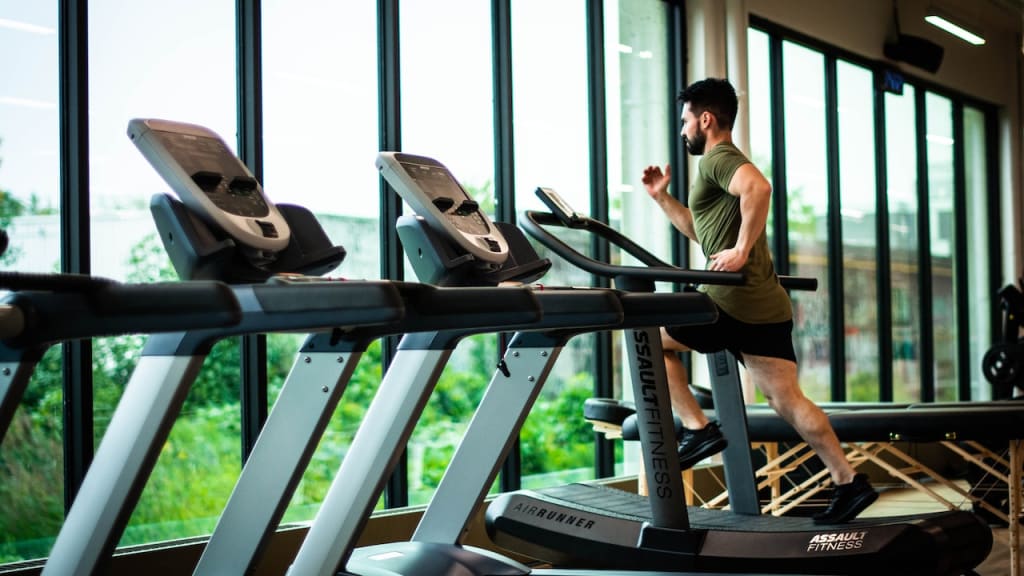
In today's fast-paced world, taking care of our physical and mental health has become more important than ever. While most people are aware of the benefits of physical exercise for their physical health, they often overlook the impact of fitness on mental health. In fact, regular exercise has been proven to have a positive impact on our mental wellbeing. In this article, we will explore the various ways in which fitness helps with mental health.
- Reduces Stress and Anxiety
One of the most well-known benefits of exercise is its ability to reduce stress and anxiety levels. Exercise helps to release endorphins, which are feel-good chemicals that can help to reduce the symptoms of anxiety and depression. Additionally, regular exercise has been shown to reduce cortisol levels in the body, which is a stress hormone that can lead to anxiety and depression.
- Improves Mood
Exercise has a direct impact on our mood by increasing the production of neurotransmitters such as dopamine and serotonin. These chemicals help to regulate our mood and can leave us feeling happier and more content. Exercise has also been shown to reduce symptoms of depression, leading to an overall improvement in mental health.
- Boosts Self-Esteem
Regular exercise can also help to boost self-esteem, which is an important factor in mental health. When we exercise, we set goals and achieve them, leading to a sense of accomplishment and pride. Additionally, regular exercise can help to improve our physical appearance, which can boost our confidence and self-esteem.
- Increases Energy Levels
Exercise has been shown to increase energy levels, which can have a positive impact on mental health. When we are feeling tired and lethargic, it can be difficult to focus and concentrate. Regular exercise can help to combat fatigue, leading to increased productivity and overall wellbeing.
- Improves Sleep Quality
Sleep is crucial for our mental and physical health. Exercise has been shown to improve the quality of our sleep, leading to better mental health. Regular exercise can help to reduce the time it takes to fall asleep and improve the quality of our sleep, leading to a more rested and refreshed mind.
- Provides a Sense of Community
Regular exercise can also provide a sense of community, which is an important factor in mental health. Joining a fitness class or group can help to create a sense of belonging and connection, which can help to combat feelings of loneliness and isolation.
In conclusion, regular exercise has numerous benefits for our mental health. From reducing stress and anxiety to improving mood and sleep quality, exercise can have a positive impact on our overall wellbeing. By incorporating regular exercise into our daily routine, we can improve our mental health and lead a happier, healthier life.
- Summary
Fitness has been shown to have a significant impact on mental health. Regular exercise has been proven to reduce stress and anxiety levels, improve mood, boost self-esteem, increase energy levels, improve sleep quality, and provide a sense of community. Exercise helps to release endorphins, which are feel-good chemicals that can help to reduce the symptoms of anxiety and depression. Additionally, regular exercise can help to reduce cortisol levels in the body, which is a stress hormone that can lead to anxiety and depression.
Exercise has a direct impact on our mood by increasing the production of neurotransmitters such as dopamine and serotonin. These chemicals help to regulate our mood and can leave us feeling happier and more content. Exercise can also help to improve our physical appearance, which can boost our confidence and self-esteem. Regular exercise can help to combat fatigue, leading to increased productivity and overall wellbeing. Sleep is crucial for our mental and physical health, and exercise has been shown to improve the quality of our sleep.
About the Creator
Ravindu Laksara
Good health is not something we can buy. However, it can be an extremely valuable savings account.
Keep reading
More stories from Ravindu Laksara and writers in Longevity and other communities.
How to get enough protein.
Protein is an essential macronutrient that plays a critical role in our body's functioning. It is vital for building and repairing tissues, producing enzymes and hormones, and supporting the immune system. However, not everyone consumes enough protein in their diet, which can lead to various health problems. If you're struggling to get enough protein, don't worry. In this article, we'll discuss some simple ways to increase your protein intake.
By Ravindu Laksara3 years ago in Longevity
Day 4 of Quitting
If this is how sobriety feels, maybe it’s better to go through life a little buzzed… this, along with other hits like, I want to kill myself, I wish I was dead, and I’m going to throw myself off a bridge have been the only thoughts on rotation these past few days. I promise myself that if, in a month, I still feel like this (‘this’ meaning despondent, full of rage, and simultaneously numb) I can go back to smoking. Until mid-February though? Nicotine is off the table.
By sleepy drafts16 days ago in Longevity
8 Things the Happiest People Over 70 Do Every Single Day That Keep Them Feeling Young
Growing older does not mean slowing down emotionally or losing joy in life. In fact, many of the happiest people over 70 often say they feel younger now than they did years ago. Their secret is not expensive treatments or extreme fitness routines. Instead, it lies in simple daily habits that support mental, emotional, and physical well-being.
By Fiaz Ahmed a day ago in Longevity
Five—One Grounding
Five—Locked in a perpetual battle against my failing senses and reason, I fight to survive, to get through; I am afraid of... nothingandeverythingallatonce—...—my mouth is dry, and my muscles seize up... what can I see? I can see the birdcage and birds; I can see the watercolour my beautiful wife painted many years ago and unlocked her journey into art; I can see the empty mug of tea as it sits perilously on the arm of the sofa; how many is that now? Three down, two to go; I can also see a jackdaw on the roof of our neighbour's house across the road and a bookcase of potential—Five things you can see.
By Paul Stewart5 days ago in Poets


Comments
There are no comments for this story
Be the first to respond and start the conversation.