
A High-Salt Diet May Lead to Excessive Mortality
The Salty Truth

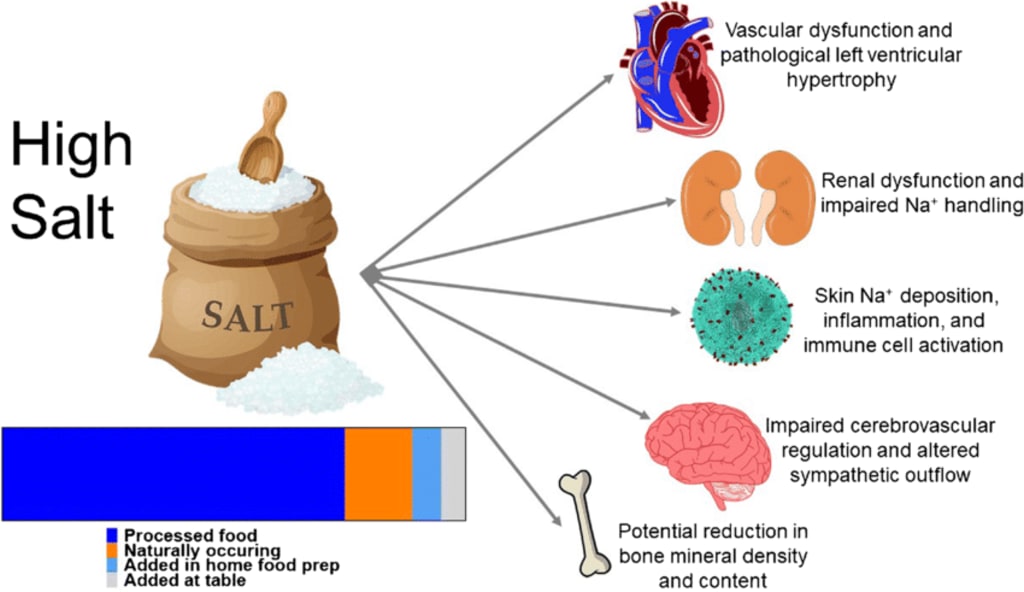
In recent years, concerns about the impact of dietary choices on overall health have escalated. One prominent focus has been on the effects of excessive salt consumption, which has been linked to various health issues. A high-salt diet, commonly associated with a modern lifestyle and processed food consumption, has been under scrutiny due to its potential to contribute to excessive mortality.
Sodium, a component of table salt (sodium chloride), is an essential mineral that plays a crucial role in maintaining fluid balance, nerve function, and muscle contraction. However, excessive sodium intake, typically associated with high-salt diets, has raised concerns among health professionals and researchers alike. The paradox arises from the fact that sodium, in moderate amounts, is essential for our body's normal functioning, but an excess of it can be detrimental to health.
Health Consequences of Excessive Salt Intake
Hypertension and Cardiovascular Disease:
Perhaps the most well-established link between high-salt diets and excessive mortality is through hypertension (high blood pressure). When we consume more salt than our body needs, the kidneys struggle to excrete the excess sodium, leading to water retention and increased blood volume. As a result, the heart has to work harder to pump blood, leading to elevated blood pressure. Prolonged hypertension significantly increases the risk of cardiovascular diseases, including heart attacks and strokes, thereby contributing to higher mortality rates.
Kidney Dysfunction:
The kidneys play a pivotal role in filtering out waste products and maintaining fluid and electrolyte balance in the body. However, a high-salt diet can put excessive strain on the kidneys, leading to impaired function over time. This can result in reduced kidney efficiency, electrolyte imbalances, and, in severe cases, chronic kidney disease, further increasing mortality risk.
Osteoporosis:
Excessive salt intake has been linked to decreased calcium retention in bones, leading to reduced bone density. Over time, this can contribute to the development of osteoporosis, a condition characterized by weak and brittle bones, making individuals more susceptible to fractures and injuries. Osteoporosis-related complications can also contribute to premature mortality, especially in the elderly population.
Gastric Cancer:
Emerging research has suggested a potential association between a high-salt diet and an increased risk of gastric cancer. High salt intake may cause damage to the stomach lining and promote inflammation, creating an environment conducive to cancerous cell growth. Gastric cancer is a severe condition with high mortality rates, and reducing salt consumption could be a preventative measure to curb its prevalence.
Cognitive Decline:
Recent studies have also hinted at a possible link between excessive salt consumption and cognitive decline in later life. High blood pressure, as a consequence of a high-salt diet, can adversely affect cerebral blood flow and contribute to the development of neurodegenerative diseases, such as Alzheimer's and dementia, potentially increasing mortality risk in affected individuals.
One of the major culprits behind the prevalence of high-salt diets is the widespread consumption of processed foods. These products are notorious for their excessive salt content, as salt serves as a preservative and enhances flavor in processed foods. Items like packaged snacks, fast foods, canned goods, and ready-to-eat meals often contain alarming amounts of hidden sodium, leading to unintentional overconsumption by unaware consumers.
Recognizing the adverse health effects of a high-salt diet, many countries and health organizations have initiated public health interventions to reduce salt consumption. Some of these strategies include:
Nutritional Labeling: Implementing clear and easy-to-understand nutritional labeling on packaged foods, including the salt content, can help consumers make more informed choices and opt for lower-sodium alternatives.
Education and Awareness Campaigns: Educating the public about the health risks associated with excessive salt consumption and raising awareness about the hidden sources of sodium in the diet can encourage individuals to adopt healthier eating habits.
Collaborations with the Food Industry: Collaborating with food manufacturers to voluntarily reduce the salt content in their products can have a significant impact on population-wide salt intake.
The evidence is compelling; a high-salt diet may lead to excessive mortality. Excessive salt intake contributes to the development of various health issues, including hypertension, cardiovascular disease, kidney dysfunction, osteoporosis, gastric cancer, and cognitive decline. While sodium is an essential mineral, moderation is key, and reducing salt intake can have profound positive effects on overall health and longevity.
As individuals, it's crucial to be mindful of our dietary choices, opt for fresh, whole foods, and minimize processed food consumption. On a larger scale, public health interventions aimed at reducing salt intake can play a pivotal role in curbing the impact of a high-salt diet on excessive mortality rates, leading to a healthier and longer life for many individuals.
About the Creator
Reynol Brennan
A small blogger who shares emotions, life, life insights, and short stories, and provides everyone with happiness, growth, and common sense of life.
Keep reading
More stories from Reynol Brennan and writers in Longevity and other communities.
Unlocking the Power of Meditation
Far from being merely a spiritual or esoteric endeavor, meditation is now widely recognized as a powerful tool for enhancing overall well-being and improving various aspects of life. In this essay, we will explore the ten surprising benefits of meditation on the mind, body, and soul, shedding light on how this ancient practice can transform lives.
By Reynol Brennan3 years ago in Longevity
5 Best Breakfast Foods for Better Blood Sugar, Recommended by Dietitians
KEY POINTS Skipping or not optimizing breakfast can impact blood sugar levels. A breakfast rich in fiber, protein and healthy fats can help stabilize blood sugar. Balanced breakfasts, like overnight oats, provide blood-sugar-stabilizing nutrients.
By Good health to everyone2 days ago in Longevity
Pink Salt Bricks: Natural Support for Asthma Relief
Understanding Himalayan Salt Therapy? Starting deep underground, air fills with fine grains during Himalayan salt sessions. Though built indoors, these spaces mimic old mines across Eastern Europe - places linked to easier breathing among workers long ago.
By Emily Rosie4 days ago in Longevity


Comments
There are no comments for this story
Be the first to respond and start the conversation.