
How Can I Stop Braces Pain?
Braces can cause discomfort, but you can manage the pain with ice packs, warm salt water rinses, and avoiding hard foods. Different types of braces offer varying levels of discomfort, but with new technologies and proper care, you can minimize pain and achieve a healthier smile.

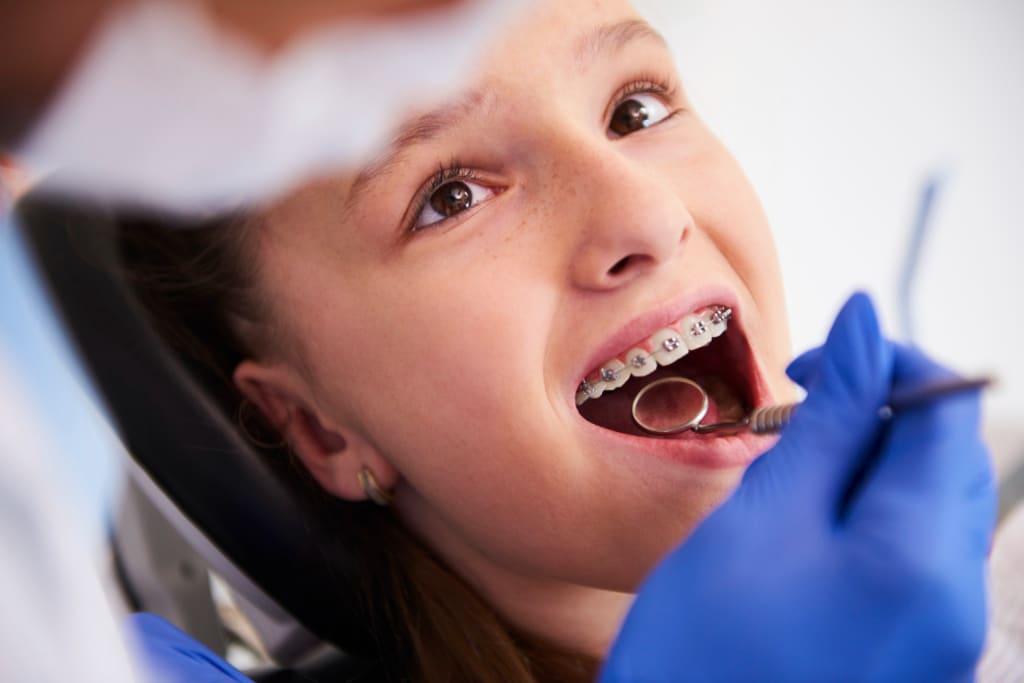
Braces hold a prominent position in modern dental treatment. It assists in correcting misaligned teeth and improving oral health. While braces certainly deliver results and offer long-term benefits, many individuals avoid getting them out of fear and pain.
Initially after wearing braces, you might notice discomfort that can range from mild to extreme due to numerous reasons. Understanding this, we are going to share with you practical tips to manage your pain linked with the braces.
Why Does it Hurt to Get Braces?
If you are wearing braces for the first time then it is normal to experience pain and soreness. It could be because of having them fitted or the brackets and wires getting tightened. You can experience irritation and soreness because of the pressure to stir teeth movement for braces to do their work.
Many people believe that the wires, brackets, and rubber bands cause the pain. But that’s a false narrative. It’s the fitting, tightening, and removal that will bring you pangs.
When You Put Braces On
After 3-4 dental appointments, your orthodontist will suggest you put braces on. The starting process can take a couple of hours and you might even feel tightening as the wires are getting fixed. It’s a painless process but keeping your mouth open for a long duration might cause jaw pain.
When You Tighten Braces
Now that braces are on, every 2 months or 1.5 months, your orthodontist will schedule your follow-up appointment. The goal is to tighten and adjust them.
Broken or Loose Brackets and Wires
Another one of many reasons why teeth braces hurt is because of broken or loose brackets and wires. These wires and brackets often rub against the cheeks and lips. Many times it ends up giving bruises and cuts too, resulting in discomfort. If you have been consistently experiencing pain, then seek medical advice from your orthodontist.
Different Types of Braces
As technology evolves, the dental industry comes up with new types of braces that offer a different range of pain.
1. Traditional Metal Braces: The most common type of braces are the traditional and good old metal braces. It’s been available for decades and is a go-to option for orthodontists. These metal braces are comprises of metal brackets that are glued together to the tooth and connected by thin metal wire also known as archwire. To hold the archwires in place, small elastics or clips are available that also apply pressure to move your teeth together in alignment.
Pain Points: Metal braces can bring discomfort once your orthodontist places them. As it tightens the teeth, you can experience soreness. The brackets also irritate the inner soft tissues of the mouth and lips as they get adjusted to the braces.
2. Ceramic Braces: Similar to traditional metal braces, ceramic braces offer the same functionality. The difference lies in the material involved in the making of brackets. It’s made from a clear or tooth-colored ceramic material. For adults who feel self-conscious about wearing metal braces, ceramic ones give you a major benefit as they are less noticeable.
Pain Points: Ceramic braces provide you with less pain and irritation compared to metal braces. It’s because the surface of the brackets is smoother. However, the discomfort with tooth movement remains persistent.
3. Self-Ligating Braces : Self-ligating braces are another alternative to traditional metal braces. In this, it automatically holds the archwires in place and removes the requirement of elastics also known as ligatures.
Pain Points: Self-ligating braces will bring in less discomfort as there’s low friction between the archwire and the brackets. This causes a smoother movement and less soreness. Additionally, there are no elastics for adjustments which drops the discomfort.
How to Relieve Brace Pain?
- To reduce inflammation, consistently apply an ice pack outside your mouth.
- If the pain is not subsiding, then rinse with warm salt water. Take a glass of warm water, add some salt, let it dissolve, and gargle 2-3 times daily. It will heal the soreness or any cuts in the mouth. Do not use extreme hot and cold water.
- Your orthodontist will provide you with non-toxic orthodontic wax for protection. It can numb your mouth to ease the pain.
- There are many over-the-counter pain medicines available that will ease the pain. We suggest you ask your orthodontist for a medicine recommendation.
- Food often gets trapped between the wires and brackets. Hence, it is advisable to avoid eating any hard and chewy food. It can trigger pain or even land you in the emergency room at an orthodontist. Opt for soft food that does not require much effort to chew.
- Your braces can remain for more than a year. It entirely depends upon the assessment made by the orthodontist. After every meal or snack, floss, brush, and use a mouthwash.
Wearing braces is one of the most effective ways of improving your smile, aligning your crooked teeth, and preventing dental problems. While it may seem painful to wear braces, the benefits outweigh the pain after its removal. With new technologies, there are options available to cause mild discomfort or no pain at all. Further, with the above-mentioned simple tips, you can manage your pain and achieve a confident smile.
About the Creator
Dr. Nimesh Patel
Dr. Patel is an orthodontist and maintains a private practice in Rome, NY.
Reader insights
Nice work
Very well written. Keep up the good work!
Top insight
Heartfelt and relatable
The story invoked strong personal emotions
Keep reading
More stories from Dr. Nimesh Patel and writers in Longevity and other communities.
Top 3 Dental Care Essentials You Cannot Skip in Your Oral Hygiene Routine
A healthy smile is not only about looks—it reflects your state of being. Having great oral hygiene helps avoid cavities, gum disease, and other issues with your teeth. Brushing your teeth every day is good, but an entire oral care regime needs more than a toothbrush.
By Dr. Nimesh Patel11 months ago in Longevity
Day 4 of Quitting
If this is how sobriety feels, maybe it’s better to go through life a little buzzed… this, along with other hits like, I want to kill myself, I wish I was dead, and I’m going to throw myself off a bridge have been the only thoughts on rotation these past few days. I promise myself that if, in a month, I still feel like this (‘this’ meaning despondent, full of rage, and simultaneously numb) I can go back to smoking. Until mid-February though? Nicotine is off the table.
By sleepy drafts23 days ago in Longevity
World’s Most Powerful Warship Launches Jets in Caribbean
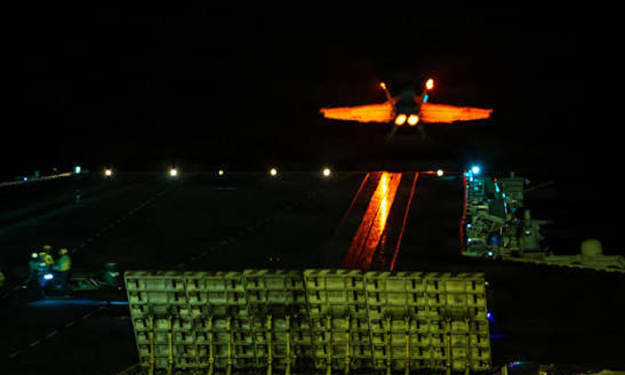
US Navy demonstrates power and readiness in strategic exercises The world’s most powerful warship recently conducted a series of jet launches in the Caribbean, showcasing the United States Navy’s strength, mobility, and operational capability. The exercises are part of routine training, but they also send a clear signal of deterrence, readiness, and commitment to regional security. The aircraft carrier, equipped with advanced technology and a full complement of fighter jets, represents the pinnacle of naval power. Its presence in the Caribbean underscores both military capability and strategic influence in a region vital to international trade and security. Details of the Exercise During the deployment, the carrier conducted multiple operations, including: Launching and recovering fighter jets in simulated combat scenarios Coordinating with support vessels in the carrier strike group Conducting air defense drills and reconnaissance missions These exercises allow pilots and crew to maintain peak operational readiness. They also test the carrier’s ability to coordinate complex flight operations in real-world conditions. Why the Caribbean Matters The Caribbean region is strategically important for several reasons: Shipping and Trade Routes – Vital sea lanes connect the Americas to Europe and Asia. Regional Security – The US and its allies monitor threats ranging from piracy to illegal trafficking. Natural Disaster Response – Naval assets can provide rapid humanitarian assistance after hurricanes and other disasters. By conducting exercises in this area, the US Navy ensures it can respond quickly to crises while maintaining a visible presence. The Carrier’s Capabilities The aircraft carrier involved in the exercises is among the most advanced in the world. Features include: A full air wing of fighter jets, electronic warfare planes, and surveillance aircraft Advanced radar and defense systems capable of tracking multiple threats simultaneously State-of-the-art propulsion and navigation systems, allowing sustained operations far from home ports This combination of capabilities allows the ship to project power, protect allies, and maintain control of strategic waterways. Training and Operational Benefits Carrier-based exercises are not just demonstrations; they are critical training opportunities for personnel. They help crews practice: Emergency procedures during flight operations Coordination with aircraft and escort ships Tactical decision-making under simulated combat conditions Pilots, sailors, and officers gain hands-on experience that prepares them for real-world operations, from defensive missions to humanitarian assistance. International Significance The presence of such a powerful warship in the Caribbean also has international implications. Allies and partners observe these exercises as: A signal of the US commitment to regional stability Proof of interoperability for joint operations with allied nations A demonstration of the capabilities available in crises or conflict scenarios For neighboring countries, it reassures them of support in emergencies, while also deterring potential threats. Technology and Innovation Modern aircraft carriers rely heavily on technology to maintain superiority. During the Caribbean exercises, the carrier demonstrated: Integration of advanced fighter jets capable of rapid launch and recovery Networked communications systems linking ship, air, and support units Enhanced radar and sensor arrays for detecting surface and aerial threats These innovations ensure the ship remains relevant in modern warfare, where speed, precision, and situational awareness are critical. Humanitarian and Strategic Readiness Beyond combat operations, the US Navy uses carriers for humanitarian missions. In the Caribbean, ships like this can deliver emergency supplies, medical aid, and disaster relief personnel. Exercises in this region also help crews practice rapid deployment, ensuring they can adapt to changing conditions—whether responding to a hurricane or a security threat. Global Presence and Deterrence Naval experts note that aircraft carriers serve both operational and symbolic purposes. Their presence in key regions signals: Readiness to respond to crises anywhere in the world Commitment to allies and regional stability Technological and military superiority By operating in the Caribbean, the US Navy demonstrates that it can project power far from domestic shores, a key aspect of modern military strategy. Conclusion The launch of jets from the world’s most powerful warship in the Caribbean illustrates the combined importance of training, readiness, and strategic presence. These exercises not only prepare crews for potential conflicts but also reinforce the US commitment to regional security and rapid response capabilities. As global tensions evolve and maritime security challenges grow, the US Navy’s ability to deploy advanced carriers and conduct complex operations remains a critical element of both defense strategy and international diplomacy.
By Fiaz Ahmed 3 days ago in Longevity
One Unchecked Box
"Republished" because it was the only way to add the embed for the newly recorded audio version of this story due to the Top Story badge. Plus it serves as a nice, informal announcement of the podcast's revival for another season (go subscribe!):
By Stephen A. Roddewig3 days ago in Fiction



Comments (2)
Super guidance.
Thanks for the well detailed analysis and piece