
Top 3 Dental Care Essentials You Cannot Skip in Your Oral Hygiene Routine
Achieving a healthy smile goes beyond just brushing—flossing and using mouthwash are equally important. These three dental care essentials help prevent cavities, gum disease, and bad breath, ensuring long-term oral health and a confident smile.


A healthy smile is not only about looks—it reflects your state of being. Having great oral hygiene helps avoid cavities, gum disease, and other issues with your teeth. Brushing your teeth every day is good, but an entire oral care regime needs more than a toothbrush.
These are the top three dental care necessities you must never miss to achieve a healthy and glowing smile.
1. Electric Toothbrush and Fluoride Toothpaste
Brushing your teeth twice a day is essential for maintaining good oral hygiene. While both manual and electric toothbrushes can effectively remove plaque and food debris, an electric toothbrush offers enhanced cleaning power with its oscillating or sonic movements. Choosing a toothbrush with soft bristles is key to protecting your gums and enamel. Coslus electric toothbrushes are designed with gentle yet efficient bristles that provide a deep clean while ensuring gum health.
Equally important is the toothpaste you use. Fluoride toothpaste helps strengthen enamel, prevent cavities, and fight tooth decay. Look for one with the American Dental Association (ADA) seal to ensure its safety and effectiveness.
Pro Tips:
- Change your toothbrush or brush head every three to four months.
- Brush using gentle, circular strokes to prevent gum recession.
- Brush for a minimum of two minutes to ensure good cleaning.
2. Dental Floss or Interdental Cleaners
Brushing will only remove about 60% of your teeth's surface. Flossing is needed to dislodge plaque and food particles from between teeth and below the gumline, areas inaccessible to toothbrushes. Daily flossing prevents cavities, gum disease, and bad breath.
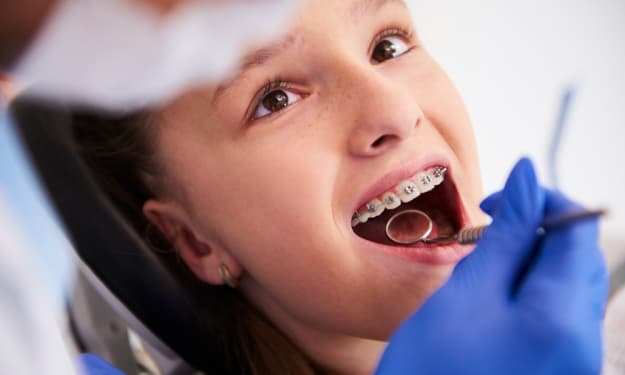
For those with difficulty using conventional floss, water flossers or interdental brushes can be excellent alternatives. These devices are particularly helpful for individuals with braces or dental hardware such as bridges and implants. With high-quality dental floss, cleaning between the teeth is made easy and efficient, minimizing plaque and improving gum health.
Pro Tips:
- Floss daily, ideally at bedtime.
- Take 18 inches of floss and wrap the majority around your fingers, leaving a new section for each tooth.
- When using a water flosser, direct the stream of water at a 90-degree angle to your gumline to achieve the best cleaning.
3. Antimicrobial Mouthwash
A good antimicrobial mouthwash does more than freshen breath—it kills bacteria that create plaque, gingivitis, and bad breath. Mouthwash gets where brushing and flossing may not, adding a little extra protection.
Mouthwashes containing fluoride also harden enamel and protect against cavities. If you have sensitive gums or dry mouth, though, an alcohol-free formula is a better choice, as alcohol-based mouthwashes can cause irritation.
Pro Tips:
- Rinse with mouthwash following brushing and flossing for a minimum of 30 seconds.
- Do not eat or drink for 30 minutes after fluoride mouthwash use.
- Ask your dentist for advice specific to your oral health requirements.
Conclusion
A regular and thorough oral hygiene practice is the secret to a healthy smile. Brushing with fluoride toothpaste, daily flossing, and antimicrobial mouthwash are three steps you must never miss. Combine these with routine dental check-ups, a healthy diet, and adequate hydration to maintain long-term oral health. Keeping your teeth healthy today means less dental trouble and a whiter smile tomorrow!
About the Creator
Dr. Nimesh Patel
Dr. Patel is an orthodontist and maintains a private practice in Rome, NY.
Keep reading
More stories from Dr. Nimesh Patel and writers in Longevity and other communities.
How Can I Stop Braces Pain?
Braces hold a prominent position in modern dental treatment. It assists in correcting misaligned teeth and improving oral health. While braces certainly deliver results and offer long-term benefits, many individuals avoid getting them out of fear and pain.
By Dr. Nimesh Patel2 years ago in Longevity
Day 4 of Quitting
If this is how sobriety feels, maybe it’s better to go through life a little buzzed… this, along with other hits like, I want to kill myself, I wish I was dead, and I’m going to throw myself off a bridge have been the only thoughts on rotation these past few days. I promise myself that if, in a month, I still feel like this (‘this’ meaning despondent, full of rage, and simultaneously numb) I can go back to smoking. Until mid-February though? Nicotine is off the table.
By sleepy drafts23 days ago in Longevity
What If Truth Is Rejected Even When It Is Lived Well
It’s easy to assume that if something is true, and if it is communicated clearly, reasonably, and with goodwill, it will eventually be accepted. This assumption sits quietly beneath a lot of effort, especially in faith. We speak carefully. We try to be fair. We explain ourselves patiently. Somewhere beneath all of that is the hope that clarity and sincerity will be enough. But what if that hope misunderstands how truth actually moves through the world.
By Peter Thwing - Host of the FST Podcasta day ago in Longevity



Comments
There are no comments for this story
Be the first to respond and start the conversation.