
How a 10-Minute Foot & Ankle Routine Can Improve Balance, Stability, and Daily Movement
Why ankle mobility, foot nerve activation, and a simple morning routine matter more than you think


Many people associate balance problems with weakness or aging, but balance is far more complex than strength alone. It’s a constant conversation between the brain, nervous system, joints, and muscles — and that conversation begins at the feet.
If you’ve ever felt stiff in the morning, hesitant when taking your first few steps, or slightly unsteady during everyday tasks, the issue may lie in reduced ankle mobility and under-stimulated foot nerves. Fortunately, restoring this connection doesn’t require intense workouts or long routines. A simple morning mobility routine, practiced consistently, can make a difference.
Why the Feet and Ankles Are Central to Balance
The feet are one of the most sensory-rich parts of the body. Thousands of receptors in the soles of the feet continuously send information to the brain about pressure, position, and movement. These foot nerves help the body make instant adjustments to posture and balance.
When this sensory input becomes dull — due to inactivity, footwear, stiffness, or aging — the brain receives less accurate information. The result can be slower reactions, reduced balance confidence, and a feeling of instability during normal movement.
The ankles play an equally important role. Healthy ankle mobility allows the body to adapt smoothly to uneven surfaces, changes in direction, and shifts in weight. Limited movement at the ankle can force the body to compensate elsewhere, making balance harder than it needs to be.
The Importance of Morning Movement
Morning is when the body tends to feel stiffest. Joints haven’t moved much overnight, circulation is slower, and the nervous system is still “waking up.” This makes the morning an ideal time for gentle movement.
A short morning mobility routine helps:
Reduce stiffness
Increase circulation
Activate foot nerves
Prepare the body for walking and standing
Improve balance awareness for the rest of the day
Rather than forcing the body into activity, gentle movement allows the nervous system to re-engage naturally.
How Ankle Mobility Exercises Support Everyday Stability
Unlike high-intensity workouts, ankle mobility exercises focus on restoring natural movement rather than building force. Slow, controlled motion improve range of motion, and reinforce proper movement patterns.
Examples include:
Slow ankle circles
Gentle flexing and pointing of the foot
Controlled side-to-side weight shifts
Heel-to-toe rocking
When performed with attention and control, these movements encourage better communication between the feet, ankles, and brain.
Activating Foot Nerves Through Gentle Stimulation
Stimulation doesn’t have to be aggressive to be effective. Light pressure, textured surfaces, or intentional foot contact with the ground can reawaken dormant foot nerves.
This sensory activation improves:
Proprioception (awareness of where your body is in space)
Reaction time
Confidence while standing or walking
Overall balance control
Many people notice that after even a few minutes of focused foot awareness, their posture feels more grounded and their movements feel smoother.
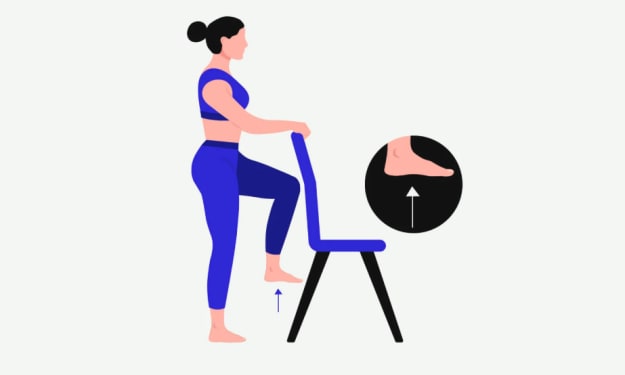
A Simple 10-Minute Morning Mobility Routine
A practical daily routine might include:
Seated or Standing Ankle Circles
Slow, controlled circles in both directions to improve ankle mobility.
Foot Press and Release
Pressing the foot gently into the floor and releasing to stimulate foot nerves.
Toe Movement
Spreading, curling, and lifting the toes to activate small stabilizing muscles.
Gentle Weight Shifts
Standing and shifting weight side to side with awareness.
Quiet Standing
Standing still for a moment, focusing on posture, breathing, and balance.
This routine doesn’t aim to exhaust the body — it aims to prepare it.
Why Gentle Consistency Beats Intensity
Many people abandon exercise routines because they feel overwhelming or uncomfortable. A morning mobility routine succeeds because it’s manageable and sustainable.
Gentle ankle mobility exercises encourage daily consistency, which is far more beneficial for balance than occasional intense sessions. Over time, the nervous system adapts, coordination improves, and movement feels more natural.
The Psychological Benefit of Feeling Grounded
Balance challenges often affect confidence. When the body feels unpredictable, people tend to move less, rush movements, or avoid certain activities. This can create a cycle of stiffness and reduced stability.
Gentle routines focused on foot awareness and ankle mobility help rebuild trust in the body. Feeling grounded — literally and figuratively — allows people to move with more ease and confidence throughout the day.
Integrating Mobility Into Daily Life
One of the greatest advantages of a foot- and ankle-focused routine is how easily it integrates into daily life. These movements can be done:
While brushing teeth
While standing at the kitchen counter
During short breaks throughout the day
This reinforces the connection between movement practice and real-world stability.
Final Thoughts
Balance isn’t something you train once and forget — it’s something you maintain through awareness and movement. By focusing on ankle mobility, practicing gentle ankle mobility exercises, and stimulating the foot nerves each morning, you support a stronger foundation for daily life.
A simple morning mobility routine doesn’t just improve movement — it helps you start the day feeling steadier, more connected, and more confident with every step.
About the Creator
AhmedFitLife
Helping You Reclaim Balance, Energy & Focus Naturally
Hi, I’m Ahmed, Discover Neuro-Balance Therapy! 🌿 Reduce stress, boost focus, and restore balance with this easy, guided tool. Feel better, naturally: Neuro-Balance Therapy
Keep reading
More stories from AhmedFitLife and writers in Longevity and other communities.
Enhancing Stability and Functional Movement at Home: Gentle Exercises to Improve Body Alignment
Everyday life presents subtle challenges that test our balance. Whether it’s reaching for a high shelf, bending to pick up an object, or navigating around furniture, even small moments of instability can trigger hesitation. Over time, these repeated wobbles can create anxiety and a fear of falling, limiting mobility and reducing confidence in daily routines.
By AhmedFitLife2 months ago in Longevity
The Power of Black Coffee: Benefits, Nutrients, and Uses (Heath Tips)
Introduction: Black coffee is one of the most popular drinks in the world. Millions of people enjoy it every day, especially in the morning, because it helps them feel fresh, active, and focused.
By Health Tips7 days ago in Longevity
Chamomile Tea: Benefits, Nutrients, Best Time to Drink, and Complete Health Guide
Introduction: Chamomile tea is a popular herbal drink made from dried chamomile flowers. It has been used for centuries in traditional medicine because of its calming and soothing properties.
By Health Tipsabout 16 hours ago in Longevity



Comments
There are no comments for this story
Be the first to respond and start the conversation.