
HIV/AIDS Overview
Causes,Transmission and management

HIV (Human Immunodeficiency Virus) and AIDS (Acquired Immunodeficiency Syndrome) are closely related conditions, with HIV being the virus that can lead to AIDS if untreated. This disease affects the immune system by attacking CD4 cells (also known as T-helper cells), which are essential for fighting infections. Over time, HIV weakens the immune system, leaving the body vulnerable to opportunistic infections and certain cancers.
Stages of HIV Infection
Acute HIV Infection
Occurs 2-4 weeks after exposure to the virus.
Symptoms may resemble the flu, including fever, sore throat, rash, and swollen lymph nodes.
During this stage, the virus multiplies rapidly, and the infected person is highly contagious.
Chronic HIV Infection (Clinical Latency Stage)
The virus remains active but reproduces at lower levels.
This stage can last for several years with or without symptoms.
Without treatment, HIV will eventually progress to AIDS.
AIDS
The most advanced stage of HIV infection.
The immune system is severely damaged, leading to a CD4 count below 200 cells/mm³ or the occurrence of opportunistic infections such as tuberculosis or pneumonia.
Without treatment, life expectancy at this stage is typically about 1-3 years.
Symptoms of HIV/AIDS
Early Symptoms of HIV (Acute Phase):
Fever
Fatigue
Muscle aches
Night sweats
Rash
Mouth ulcers
Symptoms of Chronic HIV Infection:
Often asymptomatic for years.
Gradual immune decline may cause recurrent infections or slow wound healing.
Symptoms of AIDS:
Rapid weight loss
Persistent fever or night sweats
Chronic diarrhea
Unexplained fatigue
Recurrent infections (e.g., thrush, tuberculosis)
Skin lesions or rashes
Memory loss or neurological issues
Causes and Transmission
HIV is transmitted through the exchange of certain bodily fluids, including:
Blood
Semen
Vaginal and rectal fluids
Breast milk
Common modes of transmission include:
Unprotected sexual intercourse with an infected person.
Sharing needles or syringes.
From mother to child during pregnancy, childbirth, or breastfeeding.
Blood transfusions or organ transplants with contaminated blood (rare in places with robust screening).
HIV is NOT spread by:
Casual contact (hugging, handshakes).
Air, water, or insect bites.
Risk Factors
Having unprotected sex.
Sharing needles or drug injection equipment.
Having other sexually transmitted infections (STIs).
Receiving unsafe medical treatments in places with limited healthcare resources.
Diagnosis
HIV can be diagnosed through:
Antibody Tests: Detect HIV antibodies in blood or saliva.
Antigen/Antibody Tests: Identify both HIV antigens and antibodies, often used to detect HIV early.
Nucleic Acid Tests (NATs): Detect the virus itself, highly sensitive but less commonly used due to cost.
Testing is crucial, as early detection enables timely treatment and reduces the risk of spreading the virus.
Treatment
HIV/AIDS is currently incurable but manageable with Antiretroviral Therapy (ART).
What is ART?
A combination of drugs that suppress HIV replication, preventing progression to AIDS.
Helps maintain a near-normal life expectancy.
Goals of ART:
Reduce viral load to undetectable levels.
Restore and maintain immune function.
Prevent the development of drug resistance.
Reduce the risk of transmission to others.
Common ART Drugs:
Nucleoside Reverse Transcriptase Inhibitors (NRTIs)
Non-Nucleoside Reverse Transcriptase Inhibitors (NNRTIs)
Protease Inhibitors (PIs)
Integrase Strand Transfer Inhibitors (INSTIs)
Entry or Fusion Inhibitors
Adherence to treatment is critical to ensure effectiveness and to avoid resistance.
Prevention
Safe Practices
Use condoms during sexual activity.
Avoid sharing needles.
Regular STI testing for sexually active individuals.
Pre-Exposure Prophylaxis (PrEP):
A daily medication for high-risk individuals to prevent HIV infection.
Post-Exposure Prophylaxis (PEP):
Emergency medication taken within 72 hours of potential exposure to HIV.
Treatment of Pregnant Women:
ART for HIV-positive mothers significantly reduces the risk of transmission to the baby.
Global Impact
HIV/AIDS affects millions globally, with Sub-Saharan Africa bearing the highest burden.
Despite advancements, stigma, lack of access to healthcare, and misinformation remain significant challenges.
Living with HIV/AIDS
With proper treatment, individuals with HIV can lead long, healthy lives. Early diagnosis, adherence to ART, and a supportive environment are crucial for managing the condition and improving quality of life.
About the Creator
Keep reading
More stories from DIGITAL HUB and writers in Longevity and other communities.
Understanding Type 1 Diabetes
Introduction Type 1 diabetes (T1D) is a chronic condition that occurs when the immune system mistakenly attacks and destroys the insulin-producing cells in the pancreas. Unlike Type 2 diabetes, which is often related to lifestyle factors and insulin resistance, Type 1 diabetes is an autoimmune disease and typically manifests in childhood or early adulthood. This article explores the causes, symptoms, treatment, and management strategies for Type 1 diabetes, providing a comprehensive understanding of the condition.
By DIGITAL HUBabout a year ago in Longevity
Day 4 of Quitting
If this is how sobriety feels, maybe it’s better to go through life a little buzzed… this, along with other hits like, I want to kill myself, I wish I was dead, and I’m going to throw myself off a bridge have been the only thoughts on rotation these past few days. I promise myself that if, in a month, I still feel like this (‘this’ meaning despondent, full of rage, and simultaneously numb) I can go back to smoking. Until mid-February though? Nicotine is off the table.
By sleepy drafts14 days ago in Longevity
Japan Orthopedic Prosthetics Market Size and Forecast 2025–2033
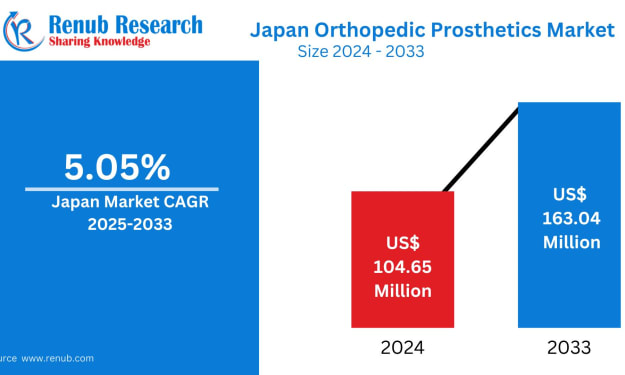
Japan Orthopedic Prosthetics Market Overview Japan’s orthopedic prosthetics market is entering a new phase of steady and technology-driven expansion, shaped by demographic shifts, healthcare modernization, and rising awareness of mobility restoration solutions. According to Renub Research, the Japan Orthopedic Prosthetics Market is expected to reach US$ 163.04 million by 2033, up from US$ 104.65 million in 2024, growing at a CAGR of 5.05% from 2025 to 2033.
By Renub Research2 days ago in Longevity
The Devil's Cut
“Comrade, finally you’re awake.” The voice was smooth, sensual. A flickering incandescent bar was all that lit the white, sterile room. All Vladimir remembered was everything going black. He tried to move his arms and found them strapped to the gurney.
By Matthew J. Fromm7 days ago in Fiction



Comments
There are no comments for this story
Be the first to respond and start the conversation.