
Hippocampal Shrinkage Revealed as Independent Predictor of Cognitive Decline
Beyond Alzheimer's

Introduction:
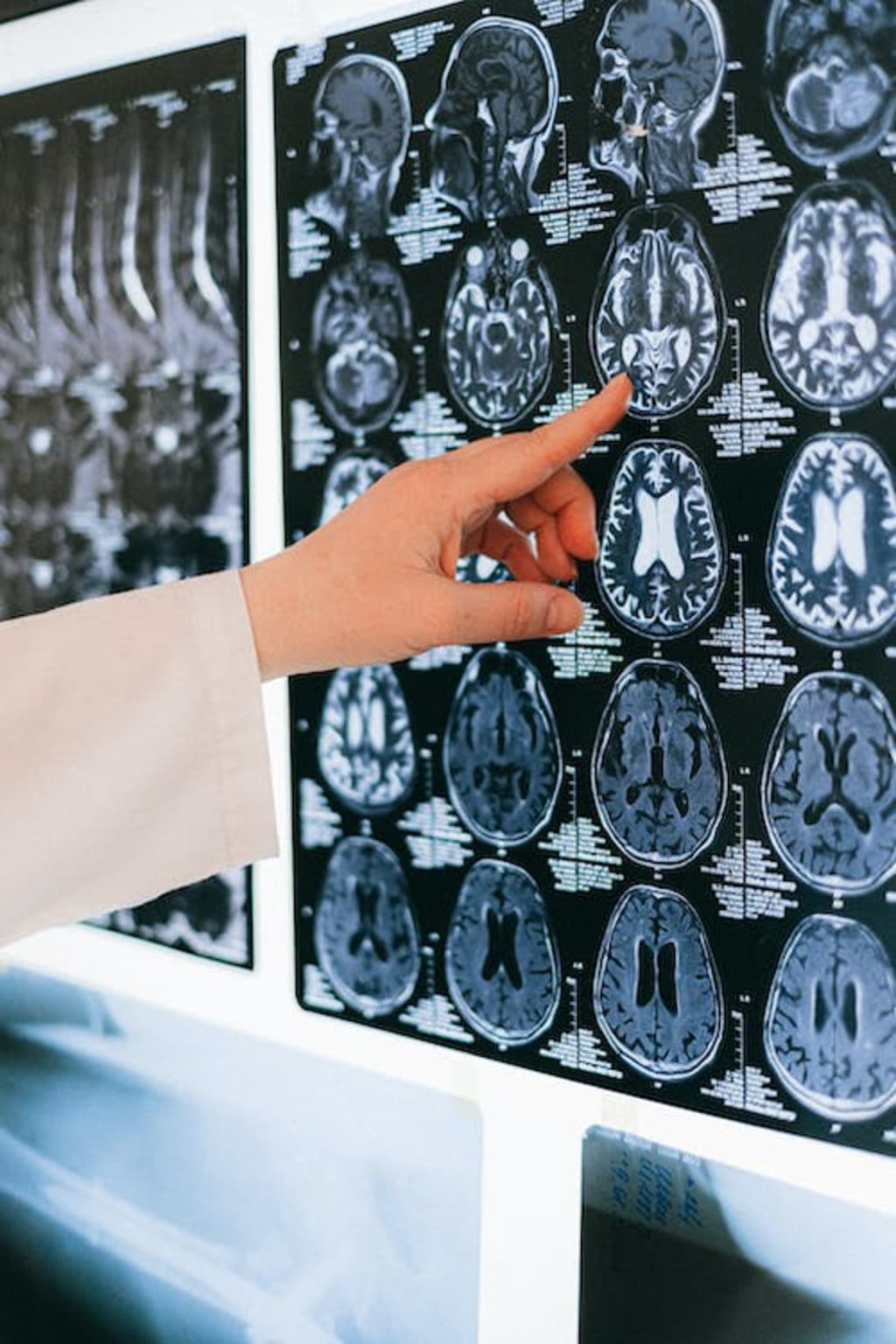
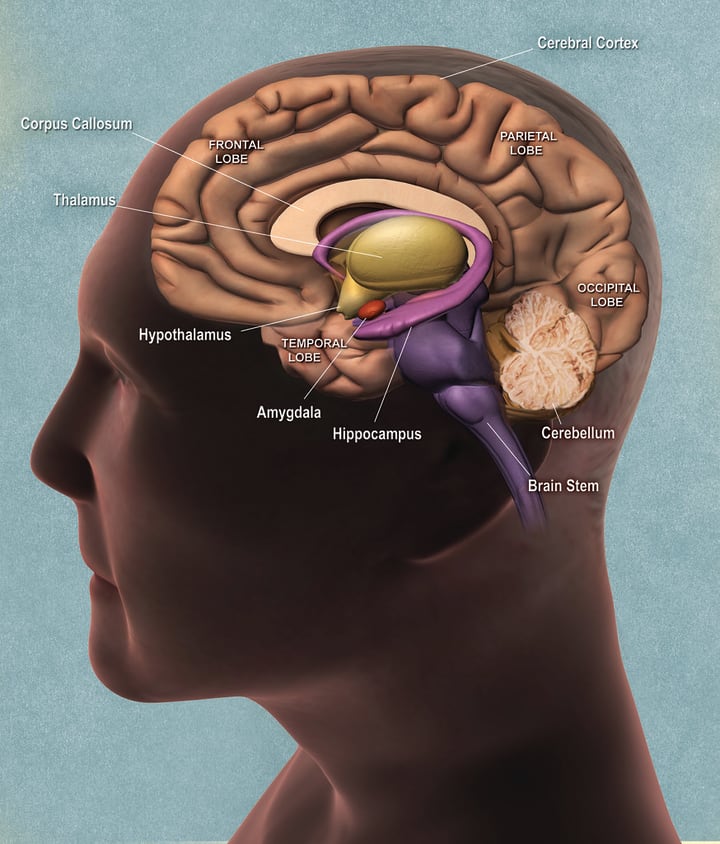
As we age, the intricate dance of neurons within our brains undergoes subtle changes, and one critical player in this symphony is the hippocampus, a seahorse-sized area responsible for learning, memory, and emotional regulation. The natural aging process often leads to a gradual shrinkage of the hippocampus, but recent research suggests that this shrinkage may hold key insights into cognitive decline, even in the absence of apparent warning signs of Alzheimer's disease.
Understanding the Study:
A groundbreaking study published in Neurology delves into the relationship between hippocampal shrinkage and cognitive decline. Traditionally, Alzheimer's disease has been associated with the accumulation of toxic proteins, amyloid beta and tau. However, this study challenges the conventional narrative by revealing that hippocampal shrinkage independently predicts cognitive decline, irrespective of the presence of these proteins.
The Research Journey:
Over a ten-year period, researchers meticulously collected data from 128 older adults with no initial cognitive impairment. Cognitive tests, brain imaging scans, and the tracking of markers such as tau tangles and amyloid plaques provided a comprehensive view of participants' cognitive health. The study not only confirmed the correlation between hippocampal shrinkage and cognitive decline but also unveiled intriguing nuances in the relationship.
Two Pathways to Cognitive Decline:
The findings suggest that cognitive decline in conditions like Alzheimer's and dementia can follow two distinct pathways. One involves the accumulation of tau and amyloid in specific brain areas, while the other is characterized by the loss of hippocampal volume. This revelation opens new avenues for understanding the complexities of cognitive health.
Hippocampal Volume as a Biomarker:
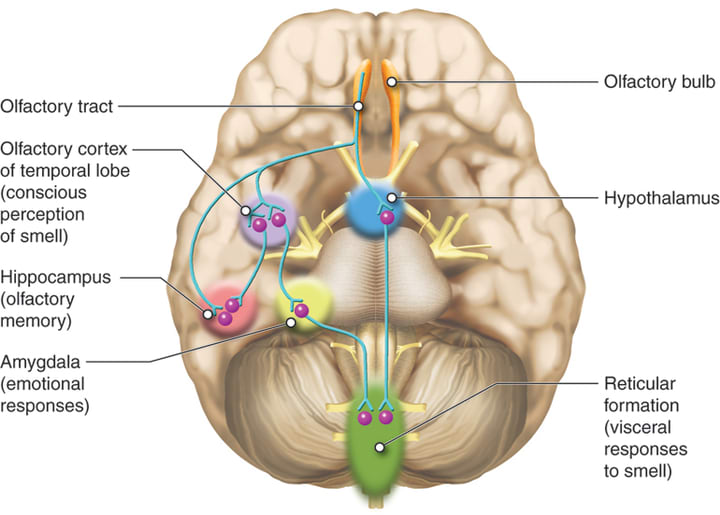
The study proposes that monitoring hippocampal volume could serve as a valuable biomarker for diagnosing conditions affecting cognitive decline beyond Alzheimer's disease. This insight may pave the way for more targeted and personalized diagnostic approaches in the future.
Treatment Implications:
Crucially, the research points towards potential implications for treatment strategies. If cognitive decline is primarily linked to hippocampal shrinkage, drugs targeting amyloid plaques might not be as effective. This suggests the need for tailored treatments addressing specific factors contributing to cognitive decline.
Unraveling Variances and Acknowledging Limitations:
Despite the robust analyses, the study acknowledges variances in results that cannot be entirely explained. Factors such as lifestyle, genetics, and neuropathologies like alpha-synuclein, associated with Parkinson's disease and Lewy body dementia, contribute to the complexity. The researchers highlight the importance of future studies with a more diverse and representative population to refine our understanding.
Real-World Considerations:
The study's participants, largely comprising highly educated individuals of white ethnicity, underscore the need for broader representation in research. Recognizing individual differences, encompassing genetics and lifestyle, becomes crucial for a comprehensive understanding of the link between hippocampal volume and cognitive decline.
Beyond Alzheimer's: A Broader Landscape:
While Alzheimer's disease has been a focal point, the study sheds light on broader implications for brain health. Conditions such as Cushing's disease, depression, PTSD, and anxiety are also associated with lower hippocampal volume, emphasizing the universality of this phenomenon.
Lifestyle's Impact on the Brain:
The research emphasizes the role of lifestyle in influencing hippocampal volume. Poor diet and excessive alcohol consumption, even in young individuals, are linked to lower hippocampal volume. Conversely, physical activities like yoga, cardio, and exercises promoting balance and coordination show promise in increasing hippocampal volume in older individuals.
Empowering Cognitive Well-being:
In conclusion, this research challenges the exclusive focus on amyloid plaques and tau tangles as the sole triggers of cognitive decline. It beckons us to recognize the intricate interplay of various factors contributing to cognitive health. As we unravel the mysteries of the hippocampus, future research should prioritize the development of tests and markers to pinpoint the origins of cognitive decline and explore treatments addressing diverse contributing factors.

By nurturing good lifestyle habits, individuals may empower their brain health, potentially delaying cognitive decline. This study acts as a beacon, guiding future research toward a more holistic understanding of cognitive health and the development of targeted interventions tailored to individual needs.
About the Creator
Kevin Root
I'm a creative writer, and I hold the pen in my own special way. What I write is still up in the air – not sure if it's any good, but we'll see!
Keep reading
More stories from Kevin Root and writers in Longevity and other communities.
Understanding Electromagnetic Fields (EMFs) and How to Stay Safe
Introduction: In today's modern world, filled with gadgets and technology, we're constantly surrounded by invisible forces known as electromagnetic fields (EMFs). These fields come from things like smartphones, Wi-Fi routers, and electronic devices. While these waves are invisible, some people worry that they might have negative effects on our health. To address these concerns, companies have developed products like the EMF Defense Bracelet, which claims to protect against EMF radiation.
By Kevin Root2 years ago in Longevity
Day 4 of Quitting
If this is how sobriety feels, maybe it’s better to go through life a little buzzed… this, along with other hits like, I want to kill myself, I wish I was dead, and I’m going to throw myself off a bridge have been the only thoughts on rotation these past few days. I promise myself that if, in a month, I still feel like this (‘this’ meaning despondent, full of rage, and simultaneously numb) I can go back to smoking. Until mid-February though? Nicotine is off the table.
By sleepy drafts9 days ago in Longevity
Distributed Control Systems Market Outlook
Introduction: From Centralized Control to Distributed Intelligence Modern industry is no longer defined by isolated machines and manual supervision. Today’s factories, power plants, refineries, and utilities operate as interconnected digital ecosystems—where data, automation, and intelligent decision-making flow seamlessly across processes. At the center of this transformation stands the Distributed Control System (DCS).
By Janine Root 5 days ago in Longevity



Comments
There are no comments for this story
Be the first to respond and start the conversation.