
Here is what Happens Every Day When You Quit Sugar For 30 Days
Healthy Living


Quitting sugar may be the best thing you can do for your body's health, whether you're doing it to improve your insulin sensitivity, boost your testosterone levels, or simply to save some extra money at the end of the week. Now, when I mention sugar, I mean all kinds of added sugar or artificial sweeteners, excluding naturally occurring sugars like those in dairy products and fruits.
What takes place daily for up to 30 days after you quit eating sugar is as follows; Your body is likely to experience some sugar cravings and withdrawal symptoms like headaches, lethargy, mood changes, and irritability on the first day as it adjusts to the change. Additionally, you could feel more exhausted than usual, but this is typical while your body adjusts to using new energy sources.
Your body is still adjusting to living without sugar, so your sugar withdrawal symptoms may persist on days two and three. You may have more acute cravings for sweet foods, as well as headaches, irritability, and you may even start to feel groggy. Gastrointestinal problems including bloating, constipation, or diarrhea are also frequently felt at this time.
The cravings and headaches should have subsided by the fourth to the seventh day, and most people should start to feel better. Your digestive system may also have adjusted to the new sugar-free diet, reducing any gastrointestinal symptoms. On the other hand, some people may start feeling more energized and focused as their bodies adjust to being sugar-free. At this time, your sleep quality should also improve, and you might wake up feeling more refreshed.
From days 8 to 14, when your body switches to burning fat for energy instead of sugar, you may start to lose some weight. During this second week, your skin will also start to clean up and look healthier, and some people may see an improvement in their complexion. Your taste buds will begin to alter, and you could discover that foods that previously didn't taste sweet now do. Your energy levels will also continue to rise, and you might discover that you can concentrate better during the day. By days 15 to 21, you've completed more than half of your sugar-free month and are beginning to experience its favorable effects. You could notice that your mood has improved and that you're feeling more upbeat.
In general, you can discover that in the third week, you're sleeping better and waking up feeling more refreshed. Most individuals say they feel more energized, focused, and attentive. By lessening the frequency of illnesses and colds, your immune system might also benefit. Some people may still have cravings, in which case they may need to be extra vigilant about abstaining from sugary foods. If you opt to finish your sugar-free month after 30 days this week, day 22 to day 30 will represent the final week. The advantages of giving up sugar become more obvious when you start to experience better mental clarity, better sleep, less inflammation, enhanced metabolic health, and an increase in insulin sensitivity. Now, your body's insulin sensitivity is crucial because as your insulin sensitivity increases, your insulin resistance decreases, and when insulin resistance decreases, testosterone levels start to rise. Additionally, you'll start to notice changes in your body composition, such as weight loss or a lower body fat percentage, steady energy levels without the same energy crashes, and improvements in your digestive system.
Overall, quitting sugar can have a positive impact on physical and mental health, as well as overall well-being.
Here are some remedies that can help with quitting sugar intake:
Gradual reduction: One of the most effective ways to quit sugar is to gradually reduce your intake. This allows your body to adjust slowly and can prevent withdrawal symptoms.
Replace with healthier alternatives: Instead of reaching for sugary snacks, try replacing them with healthier alternatives such as fruits, vegetables, nuts, and seeds. These foods can provide natural sweetness and are also packed with important nutrients.
Increase protein and fiber intake: Protein and fiber can help stabilize blood sugar levels and reduce sugar cravings. Try incorporating more protein and fiber-rich foods such as lean meats, beans, lentils, and whole grains into your diet.
Drink plenty of water: Drinking water can help flush out toxins and reduce sugar cravings. Aim to drink at least eight glasses of water per day.
Get enough sleep: Lack of sleep can increase sugar cravings and make it harder to resist temptation. Aim to get at least seven to eight hours of sleep per night to help regulate your appetite and reduce cravings.
Manage stress: Stress can also increase sugar cravings. Try incorporating stress-reducing activities such as yoga, meditation, or deep breathing exercises into your daily routine to help manage stress levels.
Quitting sugar can be challenging, but with these remedies and a bit of determination, it is possible to overcome sugar cravings and enjoy a healthier, happier life
About the Creator
Lavender
"Pen-wielding wordsmith with a passion for storytelling and a penchant for crafting unforgettable tales that transport readers to other worlds."
Day 4 of Quitting
If this is how sobriety feels, maybe it’s better to go through life a little buzzed… this, along with other hits like, I want to kill myself, I wish I was dead, and I’m going to throw myself off a bridge have been the only thoughts on rotation these past few days. I promise myself that if, in a month, I still feel like this (‘this’ meaning despondent, full of rage, and simultaneously numb) I can go back to smoking. Until mid-February though? Nicotine is off the table.
By sleepy drafts13 days ago in Longevity
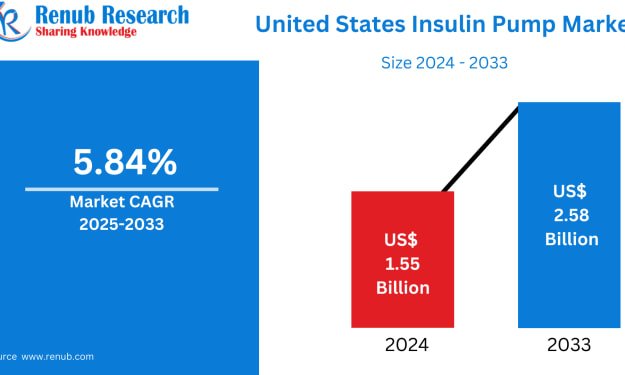
United States Insulin Pump Market Size and Forecast 2025–2033
Introduction Diabetes continues to be one of the most widespread chronic diseases in the United States, affecting millions of people across all age groups. With the growing emphasis on precision medicine, patient convenience, and digital healthcare integration, insulin delivery technologies are undergoing a major transformation. Among these innovations, insulin pumps have emerged as a cornerstone in modern diabetes management.
By jaiklin Fanandish4 days ago in Longevity



Comments
There are no comments for this story
Be the first to respond and start the conversation.