

Introduction:
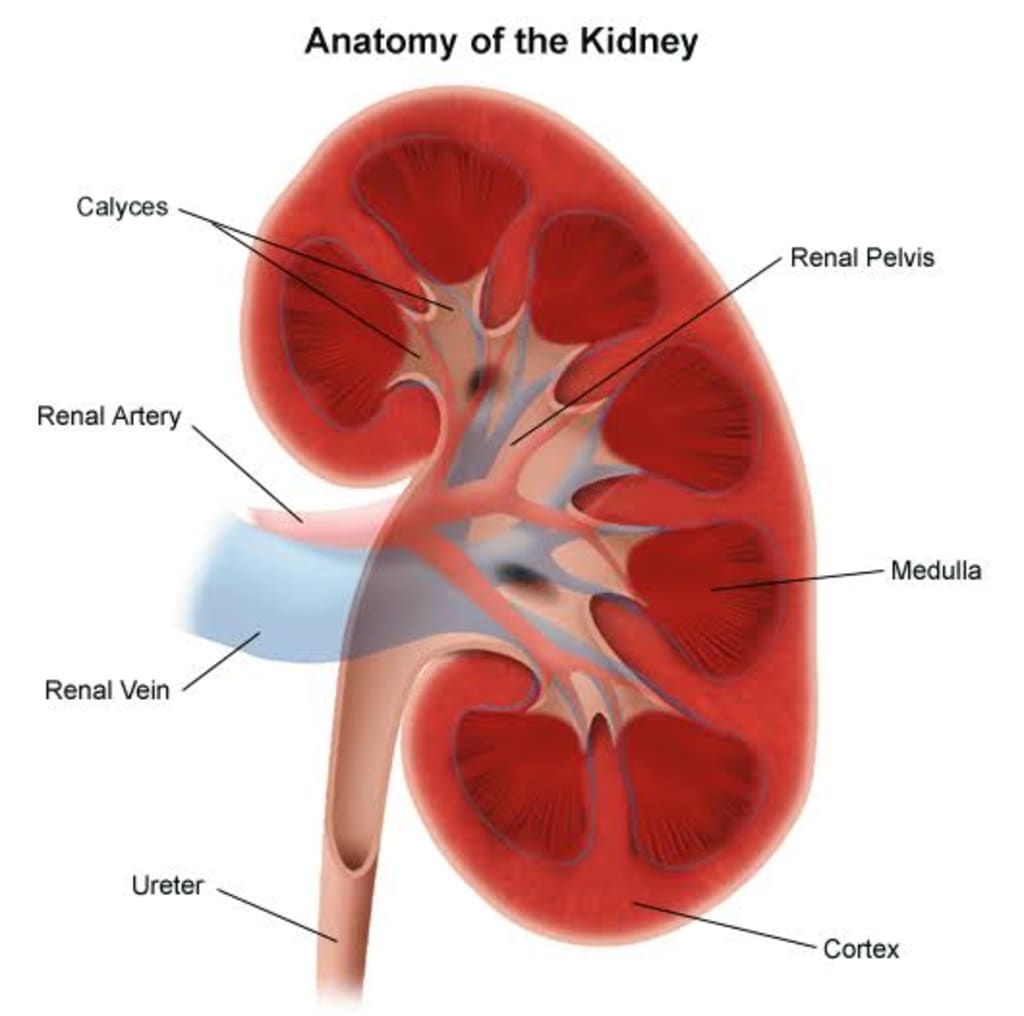
The kidneys, a pair of small, bean-shaped organs located on either side of the spine, are truly remarkable in their functionality and importance to overall health. These vital organs perform numerous essential tasks, including filtering waste products, regulating electrolyte balance, controlling blood pressure, and maintaining fluid balance. In this note, we will delve deeper into the intricate workings of the kidneys, their importance, and how to maintain their health for optimal well-being.
Filtration and Waste Removal:
The primary function of the kidneys is to filter waste products, excess water, and toxins from the bloodstream. Every day, they process around 180 liters of blood, extracting waste substances and sending them to the bladder for elimination as urine. The kidneys use millions of tiny filtering units called nephrons to perform this crucial filtration process.
Electrolyte Balance and Fluid Regulation:
Alongside waste removal, the kidneys play a pivotal role in maintaining electrolyte balance and regulating fluid levels in the body. Electrolytes, such as sodium, potassium, calcium, and phosphate, are essential for nerve function, muscle contraction, and maintaining cellular integrity. The kidneys finely tune the levels of these electrolytes, ensuring they remain within a narrow range for optimal physiological function.
Blood Pressure Control:
The kidneys contribute significantly to blood pressure regulation. They help maintain blood pressure by controlling the volume of blood circulating in the body and adjusting the constriction or dilation of blood vessels. When blood pressure drops, the kidneys activate a cascade of hormonal responses to retain fluid and increase blood volume, thereby raising blood pressure. Conversely, if blood pressure is too high, the kidneys facilitate the elimination of excess fluid, thus reducing blood volume and lowering blood pressure.
Acid-Base Balance:
The kidneys are key players in maintaining the body's acid-base balance, also known as pH balance. They regulate the levels of acids and bases in the blood, ensuring a stable pH that is essential for proper cellular function, enzyme activity, and overall metabolic processes. By excreting hydrogen ions and reabsorbing bicarbonate ions, the kidneys help maintain this delicate balance.
Red Blood Cell Production:
Erythropoietin, a hormone produced by the kidneys, stimulates the production of red blood cells in the bone marrow. Red blood cells are responsible for transporting oxygen from the lungs to tissues throughout the body. Adequate levels of erythropoietin are vital for ensuring sufficient red blood cell production, preventing anemia, and maintaining optimal oxygenation.
Vitamin D Activation:
The kidneys play a critical role in activating vitamin D, a hormone essential for bone health and calcium absorption. They convert inactive vitamin D into its active form, which enables it to promote calcium absorption from the intestines. This process ensures adequate calcium levels for bone mineralization and helps prevent conditions like osteoporosis.
Maintaining Kidney Health:
Given the kidneys' vital functions, it is crucial to take proactive steps to maintain their health:
a) Hydration: Staying adequately hydrated is essential for kidney health. It promotes optimal blood flow, aids in the elimination of waste products, and prevents the formation of kidney stones. Aim to drink enough water throughout the day, and adjust your intake based on factors like climate, physical activity, and overall health.
b) Balanced Diet: A healthy diet plays a significant role in kidney health. Include a variety of fruits, vegetables, whole grains, and lean proteins while minimizing the consumption of sodium, saturated fats, processed foods, and added sugars. This balanced approach helps maintain proper electrolyte balance, controls blood pressure, and reduces the risk of kidney disease.
c) Regular Physical Activity: Engaging in regular physical activity not only helps maintain a healthy weight but also promotes cardiovascular health and optimal blood flow to the kidneys. Aim for at least 150 minutes of moderate-intensity exercise or 75 minutes of vigorous exercise per week, along with strength training exercises.
d) Avoid Smoking and Limit Alcohol Consumption: Smoking damages blood vessels and impairs kidney function, while excessive alcohol consumption can lead to kidney disease and hypertension. Quitting smoking and moderating alcohol intake can significantly reduce the risk of kidney problems.
e) Manage Chronic Conditions: Chronic conditions like diabetes and hypertension can have a detrimental impact on kidney health. It is essential to manage these conditions effectively through regular check-ups, medication adherence, blood sugar control, and blood pressure management. Follow your healthcare provider's recommendations and seek their guidance for optimal kidney care.
f) Medication and Supplement Awareness: Some medications, including certain painkillers and antibiotics, can cause kidney damage if used excessively or improperly. Additionally, certain herbal supplements can be harmful to the kidneys. Always follow the prescribed dosage and consult your healthcare provider before taking any medications or supplements.
Conclusion:
The kidneys are truly remarkable organs that perform a myriad of vital functions essential for overall health and well-being. From waste removal and fluid regulation to blood pressure control, acid-base balance, and hormone production, their roles are irreplaceable. By understanding the importance of kidney health and adopting healthy lifestyle choices, we can safeguard these incredible organs and enjoy a life of optimal well-being. Remember, your kidneys deserve the utmost care and attention for a healthier and happier futureSartriti
About the Creator
Keep reading
More stories from tolha adetunji and writers in Longevity and other communities.
Blood Pressure
Blood pressure is a critical aspect of our cardiovascular health and plays a significant role in maintaining overall well-being. Here's a detailed note on blood pressure, including its definition, measurement, factors affecting it, and ways to manage and maintain healthy levels:
By tolha adetunji3 years ago in Longevity
Day 4 of Quitting
If this is how sobriety feels, maybe it’s better to go through life a little buzzed… this, along with other hits like, I want to kill myself, I wish I was dead, and I’m going to throw myself off a bridge have been the only thoughts on rotation these past few days. I promise myself that if, in a month, I still feel like this (‘this’ meaning despondent, full of rage, and simultaneously numb) I can go back to smoking. Until mid-February though? Nicotine is off the table.
By sleepy drafts23 days ago in Longevity




Comments
There are no comments for this story
Be the first to respond and start the conversation.