
Healthcare in Belgium: What You Need to Know
Healthcare in Belgium

Belgium has a world-class healthcare system that is both comprehensive and accessible to residents, expatriates, and tourists alike. The Belgian healthcare system is well-regarded for its efficiency, modern infrastructure, and high standards of care. Whether you're a local or just visiting, it's essential to understand how the system operates to ensure you receive the best possible care.
Overview of the Belgian Healthcare System
The healthcare system in Belgium is based on a dual system that combines public and private sectors, ensuring broad access to high-quality healthcare services. It is largely funded by a compulsory health insurance scheme, with the option for individuals to take out additional private insurance. This ensures that medical costs are covered for everyone living in the country, while also providing flexibility in choosing healthcare providers.
Key Components of the Belgian Healthcare System:
- Mandatory Health Insurance: All Belgian residents must register with a mutualité (health insurance provider). This insurance covers the majority of medical costs, with a small co-payment required.
- Supplementary Private Insurance: Many individuals opt for private insurance to cover additional services not covered by the basic health insurance, such as private rooms in hospitals or certain types of medical treatment.
- Public and Private Healthcare Providers: Both public and private hospitals, clinics, and healthcare professionals offer services across Belgium, with varying degrees of availability, quality, and costs.
For more detailed information on the Belgian healthcare system, visit the dedicated page.
Accessing Medical Care in Belgium
Healthcare services in Belgium are generally high quality, but how you access them depends on your specific needs and circumstances. Residents typically choose a General Practitioner (GP) for their primary healthcare, while specialists can be consulted based on referrals.
General Practitioners (GPs)
General practitioners are the first point of contact for most health concerns. Patients in Belgium are free to choose their GP. In case of a health issue, you can make an appointment with your GP directly, and they will coordinate your care. GPs handle a wide range of medical conditions and will refer you to specialists if necessary.
Specialist Doctors
Consulting with specialists usually requires a referral from a GP, though in some cases, direct appointments can be made for specific needs. The specialist's services are typically covered by insurance, although the extent of reimbursement may vary depending on the nature of the service.
Hospitals and Medical Facilities
Belgium has a robust network of hospitals and clinics providing a wide variety of medical services, including emergency care, surgery, and specialized treatments. There are three types of hospitals in Belgium:
- General Hospitals: Provide general medical services including emergency care, routine procedures, and surgeries.
- University Hospitals: Associated with academic institutions, these hospitals offer specialized care and are involved in medical research and teaching.
- Specialized Hospitals: Some hospitals in Belgium focus exclusively on certain medical fields, such as oncology or mental health.
Well-known hospitals in Belgium include:
- AZ Groeninge in Kortrijk: A large teaching hospital with a wide range of services.
- Erasmus Hospital in Brussels: Known for its specialized medical departments and research facilities.
Institut Jules Bordet: A leading cancer treatment center in Brussels.
Emergency Medical Services
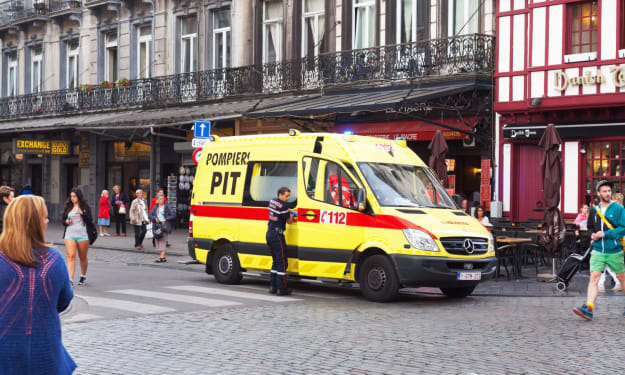
In the event of a medical emergency, Belgium's emergency services are easily accessible. The emergency number for all services is 112. Whether you need an ambulance, fire, or police services, dialing this number will connect you to the appropriate emergency service. Hospitals in Belgium are well-equipped to handle emergencies, and even if you're uninsured, you will still receive treatment, although you may need to cover the costs yourself.
Pharmacies and Prescription Medicines
Pharmacies are widespread across Belgium, and they play an important role in the healthcare system. They provide over-the-counter medications, and for prescription drugs, you'll need a doctor’s prescription. Belgium also has a well-organized system for issuing electronic prescriptions, which makes getting medicines more efficient.
Prescription drugs are covered partially by health insurance, but you will need to pay a portion of the cost. Over-the-counter medications, on the other hand, must be purchased fully by the patient.
Healthcare for Foreigners
EU/EEA Citizens
If you are an EU/EEA citizen, you can use your European Health Insurance Card (EHIC) to access medical services in Belgium. This card will cover necessary medical treatment during a temporary stay in the country.
Non-EU Citizens
For non-EU citizens, it's advisable to get travel health insurance before arriving in Belgium. For those planning to stay for an extended period, it’s necessary to register with a health insurance provider and contribute to the Belgian healthcare system. Without proper insurance, medical expenses can be expensive.
Costs of Healthcare Services
While healthcare in Belgium is of a high standard, costs can vary. Patients are generally required to pay upfront for medical services and then claim reimbursements from their insurance providers. The reimbursement rate is typically high, but there may be certain services or medications that are not covered or partially covered.
Some common medical costs include:
- Doctor Visits: Standard consultation fees are partially reimbursed by insurance, but you may need to pay a small co-payment.
- Hospitalization: Hospital stays are expensive, but most of the cost is covered by health insurance. Additional services, such as staying in a private room, may not be fully reimbursed.
Medications: Prescription medication costs are reimbursed by insurance, but non-prescription medication must be paid in full by the patient.
Digital Health in Belgium
Belgium is at the forefront of digital health initiatives, such as the eHealth platform, which allows healthcare providers to securely exchange medical information. Additionally, the MyHealthViewer portal enables patients to access their medical records, prescriptions, and test results online.
Conclusion
Belgium’s healthcare system offers a comprehensive safety net for both residents and visitors, with high-quality services that are accessible to all. Whether you are seeking routine medical care or emergency treatment, the system ensures that patients can receive the care they need. Understanding the structure, insurance requirements, and cost of services can help you navigate Belgium’s healthcare system effectively.
For more details about healthcare in Belgium, visit our full guide on the medicine system.
About the Creator
Keep reading
More stories from Ретро Мания and writers in Longevity and other communities.
Understanding Emergency Medical Services in Belgium: A Comprehensive Guide for Expats and Travelers
Navigating the emergency healthcare system of a foreign country can be intimidating. In Belgium, however, the ambulance and emergency medical services are highly organized, accessible, and responsive. This article will provide detailed information about how to call an ambulance, what happens after the call, and how to ensure you’re financially and medically protected.
By Ретро Мания10 months ago in Longevity
The Biomechanics of Better Steps
Most people assume that better walking begins with stronger muscles. Walking is not just a muscular act — it is a neurological performance. Every step is shaped by a constant exchange of information between your feet and your brain. This communication system, known as the sensory motor network, determines how stable and confident your movement feels.
By AhmedFitLife6 days ago in Longevity



Comments
There are no comments for this story
Be the first to respond and start the conversation.