
Health and Wellness
Mental health and stress management techniques.
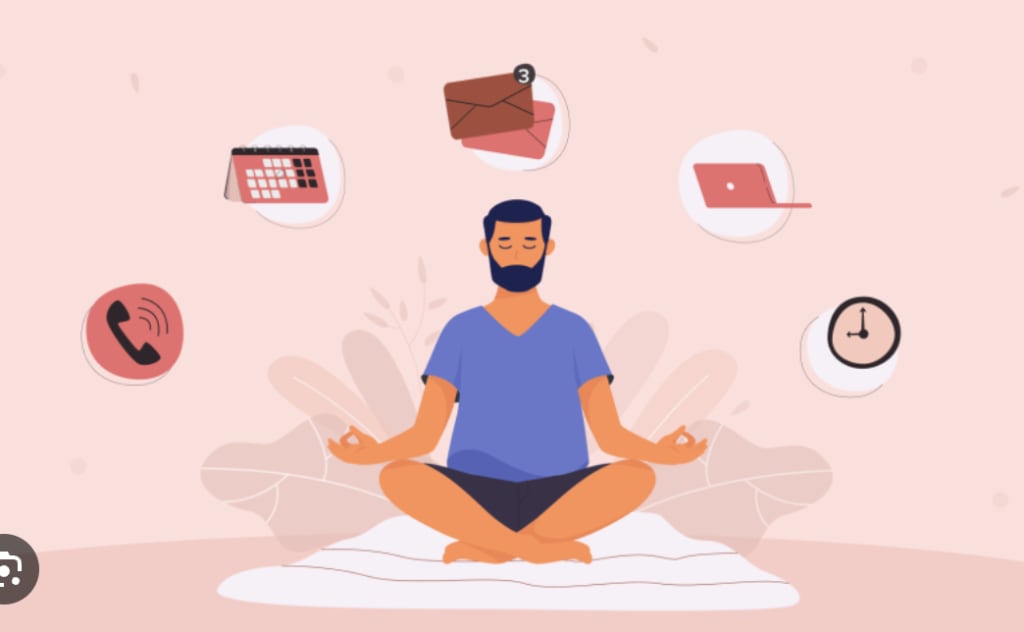
Mental health is an intricate and multifaceted aspect of our well-being, encompassing our emotional, psychological, and social dimensions. In today's fast-paced and demanding world, the importance of mental health and effective stress management cannot be overstated. The challenges of daily life, such as work pressures, personal responsibilities, and societal expectations, can significantly impact our mental state, leading to stress, anxiety, and emotional exhaustion. Nurturing our mental health is not only essential for our own well-being but also for our ability to engage with the world around us in a meaningful and productive manner.
One of the fundamental pillars of mental health is self-awareness. Being attuned to our emotions, thoughts, and behaviors allows us to gain insights into our inner world and identify triggers that may lead to stress or emotional distress. This heightened awareness enables us to develop healthier coping mechanisms and implement stress management techniques that suit our unique needs. Mindfulness practices, such as meditation and deep breathing exercises, play a transformative role in enhancing self-awareness. By cultivating the art of staying present in the moment, we can detach from negative thought patterns and embrace a more positive and accepting outlook on life.
Physical activity is another powerful tool in promoting mental well-being and managing stress. Engaging in regular exercise releases endorphins, often referred to as the brain's "feel-good" chemicals. These natural mood boosters not only elevate our spirits but also act as stress-reducers, providing a sense of relief and relaxation. Whether it's going for a brisk walk amidst nature's beauty, practicing yoga to enhance mind-body connection, or participating in a team sport that fosters camaraderie, finding an enjoyable form of exercise can be a life-changing step towards a healthier mind and body.
Establishing healthy boundaries is a crucial component of stress management. Many of us feel compelled to say "yes" to every request or commitment, often at the expense of our own well-being. Learning to set boundaries and respectfully decline additional responsibilities can protect us from overextending ourselves and experiencing burnout. Embracing the concept of self-care and carving out time for rest and relaxation fosters a sense of balance and equanimity in our lives.
In times of stress, social support becomes a critical factor in maintaining mental resilience. Connecting with friends, family, or support groups can provide a safe space for sharing feelings and experiences. Talking openly about our emotions and challenges can be immensely cathartic and validating. The knowledge that we are not alone in our struggles and that others have navigated similar difficulties can provide a sense of belonging and hope.
Effective time management is essential for reducing stress and maintaining a sense of control over our daily lives. By prioritizing tasks, setting realistic deadlines, and avoiding procrastination, we can achieve a greater sense of productivity and accomplishment. Organizing our time mindfully allows us to allocate moments for relaxation and self-reflection, fostering a sense of equilibrium amidst life's demands.
Additionally, the digital age has brought a constant influx of information through media channels and social networking platforms. While staying informed is essential, continuous exposure to negative news and social media can contribute to heightened stress and anxiety. Limiting media consumption, especially before bedtime, allows us to protect our mental space, create boundaries, and foster better sleep quality.
Engaging in creative pursuits can serve as a transformative outlet for managing stress and promoting mental health. Participating in artistic endeavors, such as painting, writing, or playing a musical instrument, allows us to express emotions and thoughts that may be challenging to communicate verbally. Creative activities provide a sense of freedom and self-expression, acting as a form of therapy for the mind and soul.
Healthy sleep habits are crucial for optimal mental health. Sleep is a time for the body and mind to rest, restore, and rejuvenate. Prioritizing a consistent sleep schedule, creating a calming bedtime routine, and ensuring a comfortable sleep environment contribute to improved sleep quality. Sufficient and restful sleep enhances cognitive function, emotional resilience, and overall well-being.
In the journey of nurturing mental health, seeking professional help when needed is a sign of strength and self-awareness. Mental health professionals, such as therapists, counselors, or psychologists, can provide valuable guidance and support tailored to individual needs. Professional assistance equips individuals with coping strategies, self-understanding, and the tools to navigate life's challenges effectively.
Practicing gratitude is a transformative approach to enhancing mental well-being and reducing stress. By cultivating a grateful mindset and consciously acknowledging the positive aspects of life, we can shift our perspective away from dwelling on negatives and towards embracing the abundance of blessings surrounding us. Gratitude journaling, writing down moments of thankfulness, and expressing appreciation for others contribute to a more optimistic and fulfilled outlook on life.
In conclusion, mental health and stress management are interconnected aspects of our overall well-being. Nurturing our mental health involves cultivating self-awareness, embracing mindfulness, engaging in physical activity, setting healthy boundaries, seeking social support, and implementing time management strategies. Limiting media exposure, embracing creativity, fostering healthy sleep habits, and practicing gratitude are additional components of an integrated approach to mental well-being. Remember that everyone's journey to mental health is unique, and it's essential to be patient and compassionate with oneself as we navigate the intricacies of life. By prioritizing mental health and implementing effective stress management techniques, we empower ourselves to lead fulfilling, meaningful, and resilient lives.
About the Creator
Keep reading
More stories from Sneha Patel and writers in Longevity and other communities.
Health and Wellness
Healthy eating and proper nutrition are cornerstones of overall well-being, providing essential nutrients and energy for the body to function optimally. Embracing a balanced and nutritious diet not only supports physical health but also contributes to improved mental clarity, increased energy levels, and reduced risk of chronic diseases. Understanding the principles of healthy eating and incorporating nutrition guides into your daily life can empower you to make informed food choices that positively impact your health.
By Sneha Patel3 years ago in Longevity
The Biomechanics of Better Steps
Most people assume that better walking begins with stronger muscles. Walking is not just a muscular act — it is a neurological performance. Every step is shaped by a constant exchange of information between your feet and your brain. This communication system, known as the sensory motor network, determines how stable and confident your movement feels.
By AhmedFitLife5 days ago in Longevity
Review of 'Man on the Run'
My wife and I saw Man on the Run, a nearly 2-hour documentary on Amazon Prime, about Wings, Paul McCartney's group that flew around the world from shortly after The Beatles broke up in early 1970 to shortly after John Lennon was murdered at the end of 1980, making a Beatles reunion forever impossible.
By Paul Levinson5 days ago in Beat




Comments
There are no comments for this story
Be the first to respond and start the conversation.