
Healing through Harmony
Why Music Is Gaining Traction as a Powerful Form of Therapy

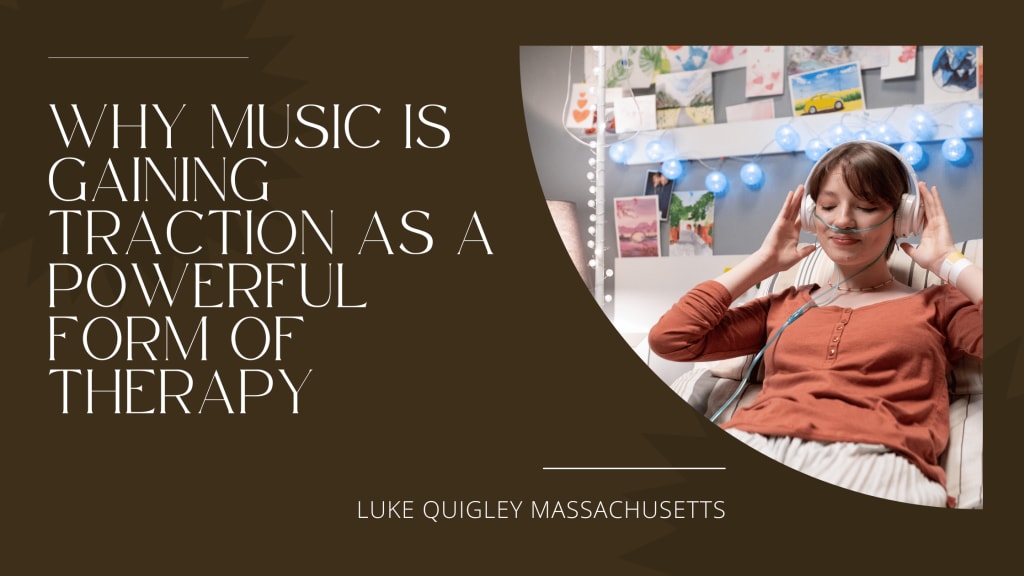
Music has long been a source of entertainment and emotional expression. But in recent years, it has begun to take center stage in a different role—as a legitimate and effective form of therapy. From reducing anxiety and managing pain to supporting mental health and promoting emotional well-being, music therapy is gaining traction among healthcare professionals, educators, and individuals seeking alternative or complementary treatments.
So, what makes music such a powerful therapeutic tool? The answer lies in how deeply it connects with the human brain and emotions.
The Science Behind Music Therapy
Music has the unique ability to stimulate multiple areas of the brain simultaneously. Listening to music can activate the auditory cortex, emotional centers like the amygdala, memory-related regions such as the hippocampus, and even the motor cortex. This broad stimulation makes music a versatile tool for therapeutic purposes.
Studies have shown that music can lower levels of the stress hormone cortisol, promote the release of dopamine (the "feel-good" chemical), and regulate heartbeat and breathing. These physiological changes can lead to reduced anxiety, improved mood, and a greater sense of calm.
In clinical settings, music therapy is often used as part of treatment for conditions such as depression, PTSD, Alzheimer’s disease, and autism spectrum disorders. It is also commonly used in palliative care and pain management to improve patients' quality of life.
What Is Music Therapy?
Music therapy is a structured, evidence-based practice delivered by trained professionals known as music therapists. These therapists use musical elements—such as rhythm, melody, harmony, and lyrics—to help individuals achieve specific therapeutic goals. Sessions may include listening to music, singing, playing instruments, songwriting, or even guided music imagery.
Unlike simply listening to music for relaxation, music therapy is goal-oriented and tailored to the needs of each individual. It may focus on emotional expression, cognitive improvement, motor coordination, or social interaction. The therapist works closely with the client to assess progress and adapt the approach as needed.
Applications Across Different Populations
One reason music therapy is gaining popularity is its adaptability across a wide range of ages and needs. Children with developmental delays or learning disabilities may use music to improve communication and social skills. Seniors with dementia or Alzheimer’s disease often benefit from music’s ability to trigger memories and enhance mood.
In mental health settings, music therapy can help individuals process trauma, manage depression, and cope with anxiety. For those undergoing physical rehabilitation, rhythm and movement-based exercises can improve motor function and coordination.
Even in schools, music therapy is being integrated into special education programs to support emotional and academic development.
Music as a Non-Invasive and Accessible Tool
Another key reason behind music therapy’s growing appeal is its non-invasive nature. Unlike some medical treatments that come with side effects or require long recovery periods, music therapy is gentle and enjoyable. It doesn’t rely on verbal communication, which makes it particularly effective for individuals who struggle with speech or language.
Moreover, music is widely accessible. With smartphones, streaming services, and basic instruments, people can engage with music wherever they are. While working with a licensed music therapist ensures professional guidance, many people are discovering the benefits of simply incorporating music into their daily routines for emotional self-care.
The Growing Body of Research
The rise of music therapy has also been supported by a growing body of scientific research. Universities and medical institutions across the United States are conducting studies on music’s therapeutic potential. Hospitals are hiring board-certified music therapists as part of integrative medicine teams, and insurance companies are beginning to recognize music therapy as a reimbursable service in some cases.
Organizations such as the American Music Therapy Association (AMTA) continue to advocate for broader acceptance of music therapy as a valid, science-based healthcare discipline.
A Bridge Between Art and Healing
Ultimately, music therapy represents a powerful bridge between art and healing. It reminds us that therapy doesn’t always have to be clinical or technical—it can be creative, personal, and deeply human. As awareness continues to grow, more people are turning to music not just for enjoyment, but as a pathway to better health, emotional resilience, and a deeper connection with themselves and others.
Whether it’s a lullaby calming a restless child, a favorite song lifting someone’s spirits, or a melody unlocking a forgotten memory, music has the power to heal in ways words alone cannot. And in today’s fast-paced, often overwhelming world, that power is more valuable than ever.
About the Creator
Luke Quigley, Massachusetts
With nearly 20 years of experience in fund accounting, Luke Quigley, Massachusetts, mentors future leaders & finds music as a powerful way to reflect & recharge. Check out Luke's music blog or follow him on Twitter or Medium!
Keep reading
More stories from writers in Longevity and other communities.
Day 4 of Quitting
If this is how sobriety feels, maybe it’s better to go through life a little buzzed… this, along with other hits like, I want to kill myself, I wish I was dead, and I’m going to throw myself off a bridge have been the only thoughts on rotation these past few days. I promise myself that if, in a month, I still feel like this (‘this’ meaning despondent, full of rage, and simultaneously numb) I can go back to smoking. Until mid-February though? Nicotine is off the table.
By sleepy drafts29 days ago in Longevity
Choose Your Own Adventure: St Helena Station
*****Preface***** I have been obsessed with Choose Your Own Adventure stories since I was a kid. I credit them with my love of reading and writing. I've been struggling to get my own kids to embrace words the same way I have but they love video games and our occasional Dungeon's and Dragon's game... which gave me an idea. I'll write an interactive story. So far its working; my middle son loves it and can't wait for the next section to come out.
By Sandor Szaboabout 24 hours ago in Fiction
📢 Raise Your Voice Thread: 02/05/2026
Our “Raise Your Voice Threads” are hosted most alternating Thursdays at 12PM ET to offer creators more avenues to uncover exceptional stories on Vocal. As we are continuously searching for fresh creators and inspiring stories, this thread provides an opportunity to exchange and discuss the stories that have moved and motivated us on Vocal.
By Raise Your Voice by Vocalabout 7 hours ago in Resources



Comments
There are no comments for this story
Be the first to respond and start the conversation.