
Greenland's People Must Decide Its Future, Says Nandy
UK minister emphasizes self-determination amid global interest in Arctic resources

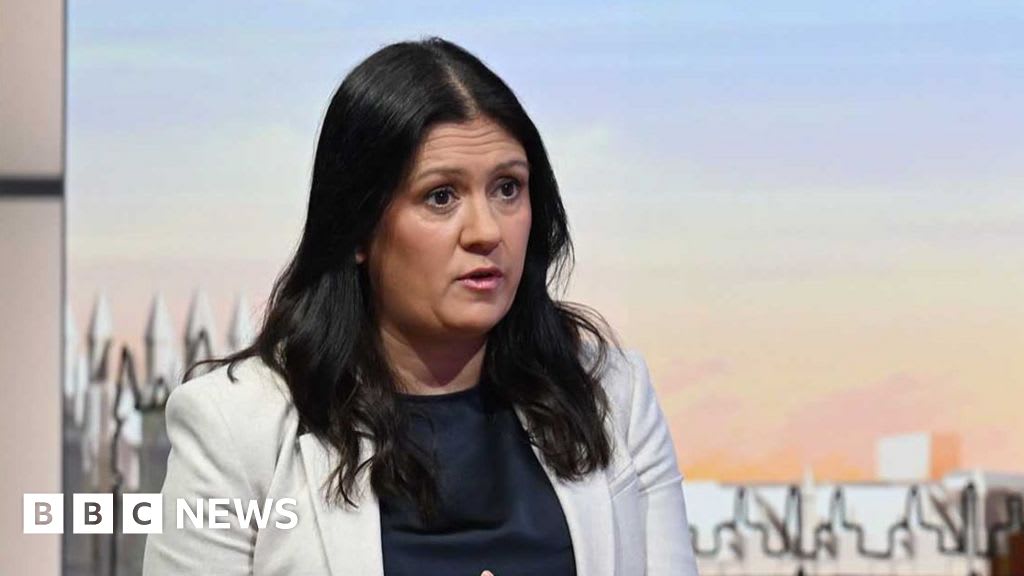
In a recent statement, UK minister Lisa Nandy emphasized that the people of Greenland must have the primary say in determining their future, underscoring the principle of self-determination in the face of growing international interest in the Arctic region. As geopolitical tensions intensify and the Arctic’s strategic and resource potential becomes increasingly valuable, the minister’s remarks highlight the delicate balance between foreign interests and local autonomy.
Greenland’s Strategic Importance
Greenland, the world’s largest island, has become a focal point in global geopolitics. Its location between the North Atlantic and Arctic Oceans offers strategic military and shipping advantages. Melting ice due to climate change is opening previously inaccessible sea routes and exposing natural resources, including rare earth minerals and potentially vast oil and gas reserves. These developments have drawn attention from countries like the United States, China, and European powers, each seeking to secure their interests in the Arctic.
The island is an autonomous territory within the Kingdom of Denmark, with its own government handling most domestic matters, though defense and foreign policy remain under Danish control. Greenland’s growing autonomy has fueled discussions about whether the island should pursue greater independence or maintain its current relationship with Denmark.
Nandy’s Statement and Its Significance
In her address, Nandy stressed that any decision regarding Greenland’s future should be led by its people, not dictated by external powers. “Greenlanders must have the right to chart their own course,” she said, emphasizing the importance of respecting local voices amid international debates about the Arctic.
Her comments came in the wake of increased international attention, particularly from the United States. Former President Donald Trump had previously proposed purchasing Greenland, a plan that was widely criticized and rejected by Danish and Greenlandic officials. However, the idea highlighted the geopolitical importance of the region and the potential for foreign powers to influence its future.
Economic and Environmental Considerations
Greenland’s future is not solely a political question. Economic development and environmental protection are deeply intertwined. The island’s economy relies heavily on fishing, tourism, and public sector employment. However, the melting ice and new accessibility to minerals and hydrocarbons present both opportunities and risks.
While resource extraction could provide significant revenue and accelerate Greenland’s path toward economic self-sufficiency, it also carries environmental costs that could threaten the fragile Arctic ecosystem. Nandy’s emphasis on local decision-making implies that Greenlanders should weigh the trade-offs carefully, balancing economic ambitions with environmental stewardship.
Global Implications
The Arctic is increasingly becoming a theater of strategic competition. Russia has expanded its military presence along its Arctic coast, while China has labeled itself a “near-Arctic state” and is pursuing partnerships in the region. NATO has also shown interest in monitoring and securing Arctic sea routes. In this context, Greenland’s political choices carry broader international significance.
By affirming the principle that Greenland’s people must decide their own path, Nandy signals that external actors should respect self-determination while engaging diplomatically. Her comments implicitly caution against attempts to pressure Greenland politically or economically, emphasizing that sustainable development and stability depend on local leadership and consent.
Local Voices and Autonomy
Greenlanders themselves have voiced a mix of opinions about the future. Some favor greater independence from Denmark, hoping to leverage natural resources to build an economically self-sufficient state. Others prioritize maintaining ties with Denmark, which provides financial support and international security guarantees. The debate is further complicated by the need to balance traditional livelihoods, such as fishing and hunting, with the economic promise of resource extraction.
Experts note that ensuring meaningful participation of Greenland’s people in these discussions is essential. Policies imposed externally risk undermining social cohesion and could provoke resistance or unrest. Nandy’s comments highlight the importance of empowering local governance structures and supporting informed decision-making.
Conclusion
Greenland’s future is a complex tapestry of geopolitics, economics, and environmental stewardship. As international attention intensifies, the principle of self-determination remains crucial. The UK’s Lisa Nandy underscored that Greenlanders must be the ultimate decision-makers regarding their political and economic path.
Whether Greenland moves toward full independence, strengthens its autonomy within Denmark, or negotiates partnerships with global powers, the key takeaway is clear: the island’s people must lead the conversation and shape their destiny. External interest, while inevitable, must be guided by respect for local governance, environmental sustainability, and the democratic will of Greenland’s residents.
As the Arctic continues to transform due to climate change and strategic competition, Greenland stands at a crossroads. The decisions made in the coming years will not only define the island’s political and economic future but also serve as a benchmark for how global powers respect the sovereignty and agency of small, strategically important territories.
About the Creator
Fiaz Ahmed Brohi
I am a passionate writer with a love for exploring and creating content on trending topics. Always curious, always sharing stories that engage and inspire.
Keep reading
More stories from Fiaz Ahmed Brohi and writers in Longevity and other communities.
More Than 300,000 River Obstacles Removed Worldwide Are Reconnecting Streams, Reviving Fish Migration And Restoring Freshwater Life
Freshwater ecosystems around the world are undergoing a quiet revolution. For decades, rivers and streams have been obstructed by dams, weirs, and other barriers, fragmenting habitats and preventing fish from completing essential migrations. Now, a global initiative to remove these obstacles is transforming waterways, reviving fish populations, and restoring the delicate balance of freshwater life. More than 300,000 river barriers have been removed worldwide, and the results are already evident.
By Fiaz Ahmed Brohi2 months ago in Longevity
UK Sees Highest Temperature of the Year, Snow and Blood Rain in Last 48 Hours
From warmest day so far to Saharan dust showers and hill snow — Britain’s weather has swung dramatically this week. In a remarkable turn of meteorological events, the United Kingdom has experienced an extraordinary mix of weather over the past 48 hours — recording its highest temperature of the year, followed by snowfall in parts of the north and a rare “blood rain” event linked to Saharan dust. These dramatic swings illustrate the UK’s characteristic weather variability and underline the influence of dynamic atmospheric patterns across Europe. Warmest Day of 2026 So Far On Thursday, parts of England basked in unusually mild conditions for early March, with the Met Office confirming a high of 19.2 °C in Northolt, west London — the warmest day recorded in the UK so far this year. This exceeded the previous 2026 peak of 18.7 °C at Kew Gardens earlier in the week and briefly made British temperatures warmer than those in Barcelona. Forecasters attributed the warmth to a surge of mild southerly air drawn up from southern Europe and North Africa. These warm air currents not only boosted temperatures but also transported fine dust particles from the Sahara Desert into the British atmosphere — setting the stage for the unusual rain events that followed. The Saharan Dust Effect and “Blood Rain” As the warm, dusty air crossed north over the Atlantic and Europe, it brought with it a visible cloud of Saharan dust. When this dust mixes with rain falling through the atmosphere, the resulting droplets can carry red or orange‑tinted particles — a phenomenon colloquially known as “blood rain.” While the term suggests something sinister, scientists emphasise that the event is purely natural. The colour comes from mineral dust in the rain droplets, not from any harmful substance. The dust, lifted from the Sahara Desert and carried thousands of kilometres, can settle as a reddish film on cars, windows and outdoor surfaces after rain. Weather services noted that while the dust concentration was not high enough to make the rain itself look vividly red as it fell, the residue left behind after showers was noticeable across parts of England and Wales. These dust‑enhanced skies also created striking sunsets and sunrises for many observers. Snow in the Hills: A Chill Returns Just as residents were putting away winter coats after the warm spell, colder air pushed back into the UK from the north. This led to snowfall over high ground in parts of northern England and southern Scotland, including areas of the Yorkshire Dales and near Edinburgh. The rapid shift in conditions — from near‑20 °C sunshine to wintry precipitation — highlighted the UK’s unpredictable transitional weather between seasons. Local authorities in these rural areas reported icy road conditions and some vehicles becoming stuck on snowy roads, prompting police and emergency services to advise caution over the weekend. Broader Weather Trends and Outlook Experts say these rapid temperature swings are consistent with the UK’s maritime climate and the interplay of high and low pressure systems during early spring. Meteorologists also point out that February 2026 was unusually mild and dull overall, with southern England registering average winter temperatures among its warmest on record. Despite the warm peak, forecasters predict a cooler, wetter and windier period ahead, as Atlantic weather systems return. This means more frequent showers, gusty winds and temperatures falling back toward seasonal norms in the coming week. Public Reaction and Preparations Across social media, many Britons shared photos of the vivid orange‑tinged skies and dusty windshields, marveling at the strange mix of weather phenomena experienced in such a short span of time. Others were reminded that, despite signs of spring, the UK can still deliver winter chill without warning. The Met Office continues to advise people to stay updated with local forecasts — especially if planning outdoor activities or travel in areas where sudden snow or rain might affect conditions.
By Fiaz Ahmed 3 days ago in Longevity
Middle East conflict to hit UK supply of painkillers and blood pressure drugs
Growing turmoil in the Middle East is now affecting more than geopolitics and oil prices — it is disrupting global supply chains for essential medicines, with the United Kingdom among the countries anticipating shortages of common painkillers and blood pressure drugs. Industry experts warn that prolonged conflict and instability in key production hubs could strain supplies of active pharmaceutical ingredients (APIs), raising prices and creating gaps on pharmacy shelves across the UK. Global Medicine Supply Chains Under Strain Most modern medicines rely on complex global supply chains. While the final tablets and pills might be assembled in Europe or North America, many of the chemical building blocks — the active ingredients that make drugs effective — come from specialised producers in Asia and the Middle East. Ports in the region serve as critical transit points for these ingredients, moving them to factories around the world. Recent disruptions to Middle Eastern airspace, sea routes, and logistics hubs — brought on by military escalation between Iran and Western forces — have slowed cargo movements, delayed shipments, and forced carriers to reroute vessels and aircraft. These disruptions have compounded ongoing industry pressures from the pandemic, rising freight costs, and regulatory changes that already had stretched manufacturers’ capacity. A senior spokesperson for a UK pharmaceutical wholesaler noted that delays are beginning to show. “We are seeing prolonged lead times for some APIs used in common medications, including ibuprofen, paracetamol, and ACE inhibitors used for hypertension,” the source said. “If this continues, we may see sporadic shortages or delays in availability.” Painkillers: From Everyday Remedies to Strategic Concern Painkillers such as ibuprofen and paracetamol (acetaminophen) may seem like ordinary over-the-counter remedies, but they depend on a reliable stream of chemical inputs. In recent weeks, wholesalers have reported increased backorders and extended delivery times for these drugs, particularly in bulk form supplied to pharmacies and hospitals. The issue is not that supplies are exhausted — yet. Rather, the chain of manufacturing, shipment, distribution, and retail is being tested. Manufacturers are delaying production runs due to uncertainty about ingredient deliveries, while logistics companies are grappling with port congestion and air freight rerouting. For patients with chronic pain, musculoskeletal conditions, or post-surgical recovery needs, even minor delays in access to painkillers can impact quality of life. Pharmacists in the UK have begun advising customers to plan ahead and, where safe, consider alternatives or extended prescriptions to bridge potential gaps. Blood Pressure Medications: A More Serious Threat More concerning are early signs of disruption in medications used to manage hypertension — a condition affecting millions of adults in the UK. Drugs like ACE inhibitors (e.g., lisinopril) and angiotensin receptor blockers (ARBs) are widely prescribed to control high blood pressure and reduce the risk of heart attack and stroke. According to industry forecasts, several APIs used in these medications are sourced from facilities in regions affected by transport disruptions. In some cases, plant shutdowns, workforce challenges, and delayed inspection schedules have contributed to reduced output. Cardiologists warn that even short-term shortages in blood pressure medicines could have public health implications, particularly for older patients and those with multiple cardiovascular risk factors. “Consistency is key in hypertension management,” said a UK clinician. “Interruptions in therapy can lead to elevated blood pressure, increasing the risk of complications.” Health authorities in the UK are monitoring the situation closely. The UK Department of Health and Social Care and the Medicines and Healthcare products Regulatory Agency have been in discussions with manufacturers and wholesalers to ensure early warnings of shortages and to coordinate mitigation strategies, such as prioritising available supplies for critical needs. Industry and Government Response Pharmaceutical companies are exploring contingency plans to diversify their supply chains, including sourcing APIs from alternative regions such as India and Southeast Asia, or increasing on-shore production capacity in the UK and Europe. However, such adjustments require time, investment, and regulatory approval. The government has also been reviewing its strategic medicines stockpile, a reserve of essential drugs intended for emergencies. Officials say they are prioritising medicines with few substitutes and highest patient impact, including certain cardiovascular drugs and critical care injectables. In the short term, regulators are urging pharmacists and prescribers to communicate with patients about potential supply issues and to avoid excessive stockpiling, which can exacerbate shortages. “We want to prevent panic reactions that could worsen distribution challenges,” a health official said. Broader Implications for Public Health The situation underscores the fragility of global health supply chains in an era of geopolitical instability. While some medicines may remain plentiful, others — especially those with few production alternatives — could face pressure if disruptions persist. For UK patients, this means being aware of possible changes at local pharmacies, staying in touch with healthcare providers about prescriptions, and understanding that global events can have direct consequences on everyday health needs. As long as Middle East tensions continue to impact transport and logistics, governments and industry leaders will be scrambling to keep medicine shelves stocked, reminding the public that in a globalised world, even seemingly distant conflicts can affect lives closer to home.
By Fiaz Ahmed 6 days ago in Longevity


Comments
There are no comments for this story
Be the first to respond and start the conversation.