
Frozen Shoulder Treatments: Effective Options at a Private Pain Management Clinic
Advanced, minimally invasive solutions for long-lasting shoulder relief

What is Frozen Shoulder?
Frozen shoulder, medically known as adhesive capsulitis, is a condition where the shoulder joint capsule becomes inflamed, thickened and stiff, severely restricting movement. It typically affects people between 40 and 60 years old, and is more common in women and individuals with diabetes or thyroid disorders.
What Are the Stages of Frozen Shoulder?
Frozen shoulder develops gradually in three key stages:
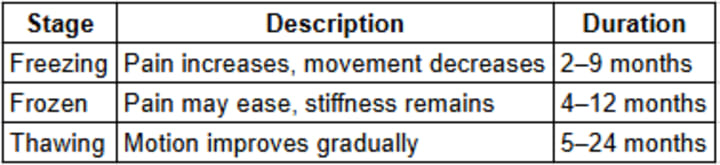
Each stage affects daily life differently. During the freezing stage, pain can disrupt sleep and simple tasks like dressing or driving become difficult. In the frozen stage, stiffness dominates, making arm elevation nearly impossible. The thawing phase often brings slow and incomplete recovery without intervention.
What Is the Treatment of Frozen Shoulder?
The treatment of frozen shoulder aims to reduce inflammation, relieve pain, and restore movement. Options vary depending on the stage and severity of the condition.
Main Frozen Shoulder Treatment Options
1. Pain Relief Medication
- NSAIDs (e.g. ibuprofen) reduce inflammation.
- Paracetamol helps control pain.
- Oral corticosteroids may be used short-term.
2. Physiotherapy
- Tailored stretching and strengthening exercises.
- Helps maintain and improve range of motion.
3. Home Exercises
- Consistent low-impact shoulder movements.
- Avoids prolonged immobility and stiffness.
4. Steroid Injections
- Reduce inflammation in the joint capsule.
- Can ease pain and improve shoulder mobility.
5. Hydrodilatation (Distension Arthrography)
- Saline and steroid are injected to stretch the capsule.
- Often performed under ultrasound guidance.
6. Surgical Options
- Manipulation under Anaesthetic (MUA): Shoulder is forcibly moved while patient is under general anaesthesia.
- Arthroscopic Capsular Release: A keyhole surgery to cut tight parts of the capsule.
How to Treat a Frozen Shoulder at Each Stage?
During the Freezing Stage
- Focus: Pain relief and inflammation control
- Use: Medication, steroid injections, activity modification
- Avoid: Aggressive stretching (can worsen symptoms)
During the Frozen Stage
- Focus: Gentle mobilisation
- Use: Physiotherapy, shoulder hydrodilatation, targeted home exercises
- Monitor: Progress closely to prevent muscle loss
During the Thawing Stage
- Focus: Progressive rehab
- Use: Strengthening routines and gradual return to full activity
How to Reduce Inflammation in Frozen Shoulder
To reduce inflammation in frozen shoulder:
- NSAIDs or corticosteroids help with pain and swelling.
- Ultrasound-guided steroid injections deliver medication precisely to the inflamed capsule.
- Cold packs may help during flare-ups.
- Modified activity avoids aggravating the joint.
- Hydrodilatation injection shoulder procedures expand the capsule and reduce tightness.
What Are Ultrasound-Guided Steroid Injections for Frozen Shoulder?
Ultrasound-guided steroid injections involve delivering anti-inflammatory medication directly into the shoulder joint capsule using real-time imaging. This ensures:
- Precise needle placement
- Maximised effectiveness
- Reduced risk of tissue damage
A local anaesthetic is often combined with the steroid for immediate relief. The entire procedure takes about 15–20 minutes.
How Many Steroid Injections for Frozen Shoulder?
Most patients benefit from one to two injections, spaced weeks apart. If symptoms persist beyond three injections in 12 months, further intervention (e.g. hydrodilatation or surgery) may be recommended.
What Is Hydrodilatation for Frozen Shoulder?
Hydrodilatation of the shoulder (also called high volume injection or capsular distension) involves injecting a mixture of saline, corticosteroid, and local anaesthetic into the joint capsule. The aim is to:
- Stretch and rupture adhesions
- Improve range of motion
- Relieve pain and tightness
How Is Shoulder Hydrodilatation Performed?
- Carried out under ultrasound guidance to ensure accuracy
- Local anaesthetic minimises discomfort
- Injection usually lasts 15–30 minutes
- Often followed by a physiotherapy programme
Does Hydrodilatation Work for Frozen Shoulder?
Yes, for many patients. Evidence shows:
- Up to 70–90% report improved mobility and reduced pain within weeks
- Especially effective in the early frozen stage
- Outcomes improve when combined with physiotherapy
However, results vary. It may be less effective for those with longstanding stiffness or diabetes.
What Is the Cost of Private Frozen Shoulder Treatments in the UK?
Estimated Private Clinic Pricing

Prices vary based on location and clinic. For example:
- Frozen shoulder treatment in Kattering may differ from frozen shoulder treatment in Milton Keynes, Nailsea, or Blackburn.
- NHS treatments are free, but waiting lists may exceed 6–9 months, especially for advanced interventions like hydrodilatation of the shoulder or MUA.
Benefits of Choosing a Private Pain Management Clinic
A private clinic offers several advantages:
- Shorter waiting times – Immediate access to care
- Expert clinicians – Specialists in musculoskeletal and pain medicine
- Ultrasound guidance – Ensures precise injection delivery
- Personalised plans – Tailored to your condition, goals, and stage
- Advanced options – Access to treatments like prolotherapy for frozen shoulder, hydrodilatation shoulder UK, and ultrasound-guided injections
By choosing a clinic specialising in frozen shoulder hydrodilatation injection and image-guided procedures, patients receive evidence-based care with high accuracy and better outcomes.
Common Questions About Frozen Shoulder Treatments
Is Hydrodilatation a Long-Term Cure?
Hydrodilatation can provide lasting relief, especially when combined with rehab. However, some patients may need further sessions or physiotherapy for full recovery.
What Are the Side Effects of Shoulder Hydrodilatation?
Most patients tolerate it well. Potential side effects include:
- Mild post-injection soreness
- Temporary increase in pain
- Rare risk of infection or bleeding
Always ensure the hydrodilatation procedure is performed by experienced clinicians using sterile, ultrasound-guided techniques.
What Is the Recovery Time for Hydrodilatation?
Most patients begin physiotherapy within a few days and notice improvements in 2–6 weeks. Full recovery varies by stage and severity.
Locations Where These Treatments Are Available
Private clinics offer frozen shoulder pain relief and injections in locations such as:
- Worthing
- Clevedon
- Burnley
- Blackburn
- Nailsea
- Milton Keynes
Always check for clinicians specialising in shoulder hydrodilatation injection or frozen shoulder treatment hydrodilatation for optimal outcomes.
About the Creator
David Brown
At RAD Clinics, we are dedicated to providing high-quality neck scans for thyroid conditions. Our private neck ultrasound near me services utilise advanced imaging technology to deliver precise and detailed assessments of the thyroid gland.
Keep reading
More stories from David Brown and writers in Longevity and other communities.
Arthrosamid Knee Injections UK: Cost, Benefits & Risks
Key Takeaways Arthrosamid is a non-biodegradable polyacrylamide hydrogel (97.5% water, 2.5% polymer) injected into the knee to cushion and reduce pain from osteoarthritis. Evidence suggests symptom relief can persist beyond 12 months after a single ultrasound-guided injection; longer-term data continue to emerge Arthrosamid UK cost typically ranges ~£2,300 to £3,300 per knee, depending on location and what’s included. Compared with steroids (short-term) and hyaluronic acid (mixed evidence), Arthrosamid is a non-surgical option that may offer longer-lasting relief for selected patients. Choose a CQC-registered provider using ultrasound guidance, with transparent pricing and consultant-delivered care.
By David Brown5 months ago in Longevity
Day 4 of Quitting
If this is how sobriety feels, maybe it’s better to go through life a little buzzed… this, along with other hits like, I want to kill myself, I wish I was dead, and I’m going to throw myself off a bridge have been the only thoughts on rotation these past few days. I promise myself that if, in a month, I still feel like this (‘this’ meaning despondent, full of rage, and simultaneously numb) I can go back to smoking. Until mid-February though? Nicotine is off the table.
By sleepy drafts12 days ago in Longevity


Comments
There are no comments for this story
Be the first to respond and start the conversation.