
Finding Balance: Managing Parkinson's Symptoms and Living Well
''Empowering Patients Through Physical Therapy, Tai Chi, Yoga and Mindfulness''

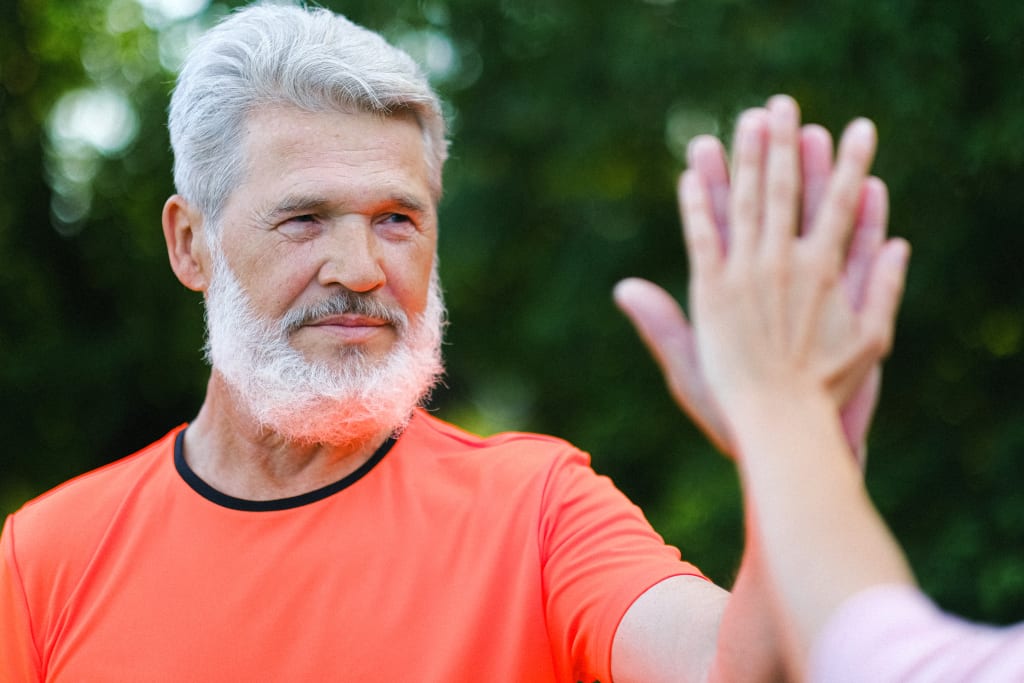
Parkinson's disease is a neurodegenerative disorder that affects millions of people worldwide. Risk of developing Parkinson disease is twice as high in men more than women.
The disease primarily affects the dopamine-producing cells in a specific region of the brain called the substantia nigra. Dopamine is a neurotransmitter responsible for facilitating smooth, coordinated movements. As dopamine levels decline, individuals with Parkinson's experience a range of motor symptoms, including tremors, bradykinesia (slowed movements), rigidity, and postural instability. Non-motor symptoms such as depression, sleep disturbances, and cognitive impairment may also arise.
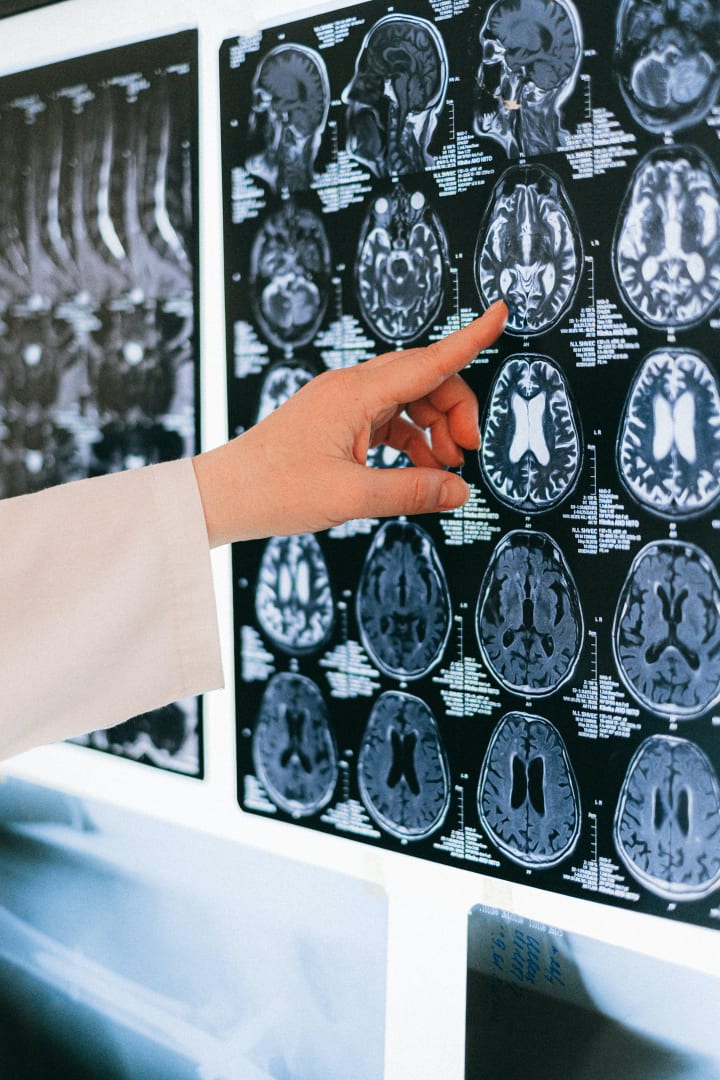
Sleep-related issues are prevalent in Parkinson's disease and can manifest in various ways. These disturbances can include difficulty falling asleep, restless sleep, frequent awakenings during the night, and vivid dreams or nightmares. Excessive daytime sleepiness, sudden onset of sleep, and sleep attacks during the day are also common symptoms.
Multiple factors contribute to sleep disturbances in Parkinson's disease. One of the primary causes is the disruption of the brain's dopamine system, which regulates sleep-wake cycles. As dopamine levels decrease, individuals may experience difficulties in maintaining a regular sleep pattern.
Understanding the causes and consequences of sleep disorders, coginite diseroders and motor symptoms in Parkinson's is essential for effective management and improving quality of life.
There are various rehabilitative approaches have shown promising results in managing symptoms and improving overall quality of life. Among these approaches, physical therapy, Tai Chi, yoga, and mindfulness practices have gained recognition for their positive impact on patients' well-being.
Physical therapy plays a vital role in the rehabilitation of individuals with Parkinson's disease. It focuses on improving mobility, balance, flexibility, and overall physical function. A physical therapist designs a customized exercise program tailored to the specific needs and abilities of each patient. These programs often include a combination of aerobic exercises, strength training, and balance exercises.
Aerobic exercises, such as cycling or walking, help improve cardiovascular fitness, increase endurance, and reduce the risk of cardiovascular diseases. Strength training exercises aim to enhance muscle strength and minimize the effects of muscle rigidity and weakness associated with Parkinson's disease. Balance exercises, including weight shifting and specific postural training, can significantly reduce the risk of falls and improve stability.
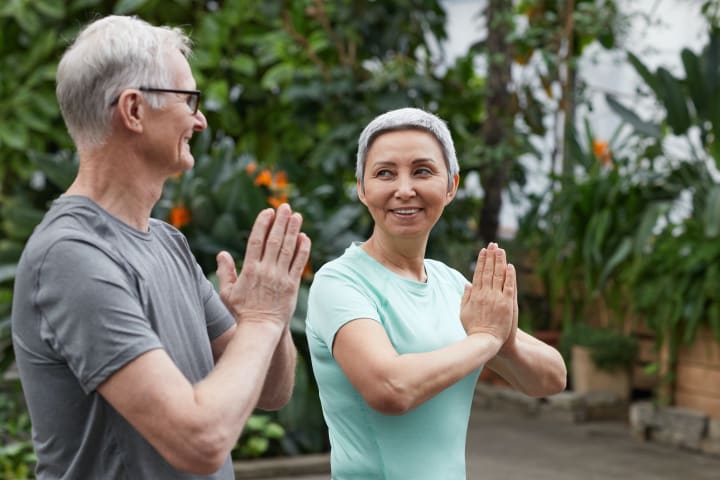
Tai Chi is an ancient Chinese martial art that combines slow, flowing movements with deep breathing and mindfulness. It has gained recognition as an effective complementary therapy for individuals with Parkinson's disease. Tai Chi promotes balance, coordination, flexibility, and relaxation while enhancing mind-body awareness.
Studies have shown that practicing Tai Chi can improve motor symptoms, balance, and functional mobility in individuals with Parkinson's disease. The slow and rhythmic movements help reduce muscle rigidity, enhance flexibility, and increase body awareness. Moreover, Tai Chi cultivates mindfulness, which helps patients manage stress and anxiety often associated with the disease.
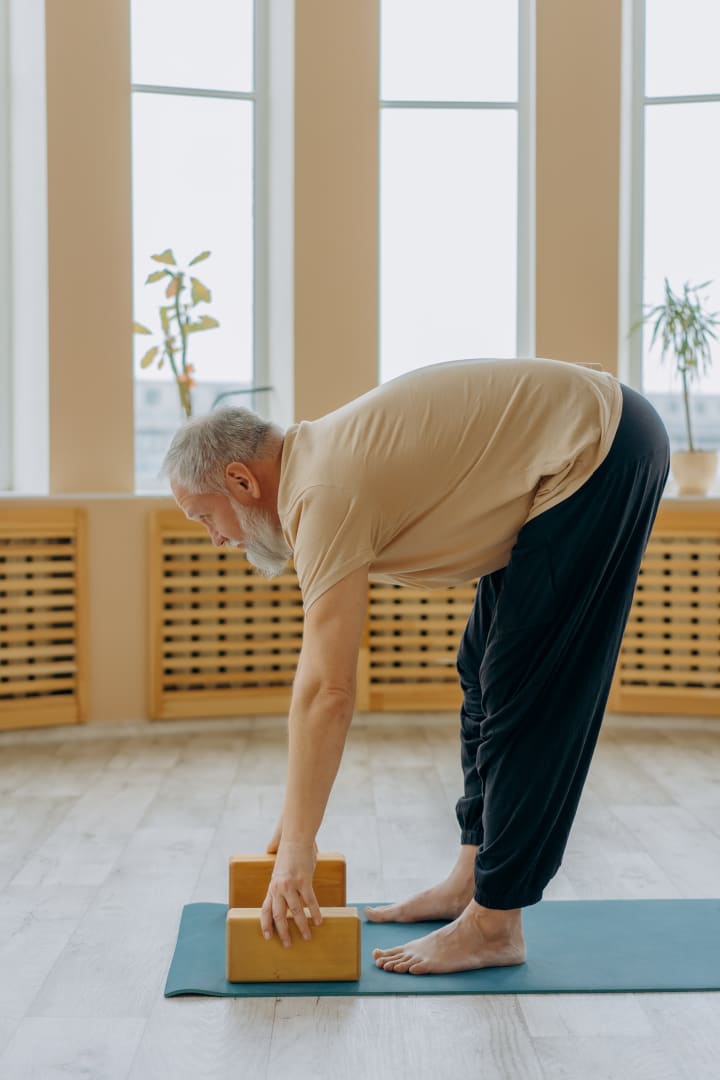
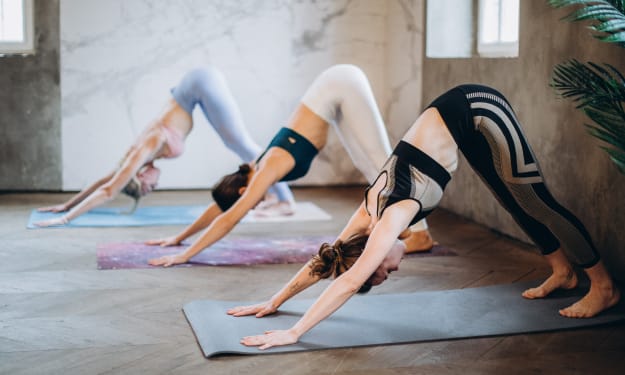
Yoga is a holistic practice that integrates physical postures, breathing exercises, and meditation. It offers numerous benefits for individuals with Parkinson's disease, both physically and mentally. Yoga improves flexibility, strength, and balance while reducing muscle stiffness and tension.
Specific yoga poses can target areas of concern for Parkinson's patients, such as the spine, hips, and shoulders. Gentle stretching and twisting movements help alleviate muscle rigidity and promote joint mobility. Breathing exercises and meditation techniques foster relaxation, reduce anxiety, and enhance overall well-being.
Mindfulness, the practice of being fully present and aware of the present moment, has gained recognition as an effective tool for managing stress, anxiety, and depression associated with Parkinson's disease. Mindfulness-based interventions, such as meditation and breathing exercises, can help individuals with Parkinson's cultivate a sense of calmness, reduce emotional reactivity, and improve their overall mental well-being.
Mindfulness practices encourage patients to accept and work with their physical limitations and emotions, promoting a positive attitude and resilience. By developing mindfulness skills, individuals with Parkinson's disease can better cope with the challenges they face and find greater joy in everyday life.
By embracing these rehabilitative techniques, individuals with Parkinson's disease can take an active role in their own health, maximizing their potential for a fulfilling life despite the challenges posed by the condition.
About the Creator
Beyza Başer Öztürk
Sports Physiotherapist
Keep reading
More stories from Beyza Başer Öztürk and writers in Longevity and other communities.
Embrace Balance with Downward Facing Dog Pose in Yoga
Downward Facing Dog Pose, also known as Adho Mukha Svanasana, is a fundamental posture in yoga that offers a wide range of benefits for the body, mind, and spirit. In this article, we will delve into the various advantages that practicing Downward Facing Dog Pose can bring to your overall well-being.
By Beyza Başer Öztürk3 years ago in Longevity
Bruce Willis’ Daughter Rumer Says She Works Four Jobs to Provide for Her Daughter
Rumer Willis, the 35-year-old daughter of Hollywood legend Bruce Willis and actress Demi Moore, has opened up about the immense challenges she faces as a single mother trying to provide for her young daughter. In candid interviews, Rumer revealed that she juggles four different jobs to ensure financial stability and create opportunities for her child, highlighting the pressures of parenthood even for those raised in the spotlight. Balancing Multiple Responsibilities Rumer described her current lifestyle as a constant balancing act. “It’s exhausting,” she admitted. “I wake up early, go to my first job, then head to the next, and somehow squeeze in family time whenever I can. I do it because my daughter deserves the best I can give her.” She currently works in a combination of fields, including freelance creative work, part-time acting engagements, and business ventures. Although her celebrity background has provided connections and occasional opportunities, Rumer stressed that none of her work comes without effort or long hours. “I don’t rely on my family name to get by,” she said. “Every paycheck represents time and energy I’ve invested, and I want my daughter to see the value of hard work.” Parenting Under Pressure Rumer’s openness about her four-job routine has sparked discussions about the pressures faced by young parents, even those from privileged backgrounds. She explained that her daughter’s well-being and future are her primary motivators. “I want her to have choices and confidence,” Rumer said. “That’s why I push myself so hard—so she can dream bigger than I did at her age.” Friends and family members have praised Rumer for her dedication. One close friend commented, “Rumer is incredibly resilient. She could rely on the wealth or fame she inherited, but she’s choosing to build a life on her own terms for her daughter. That’s inspiring.” Celebrity Perspective Being the child of iconic Hollywood stars has given Rumer a unique perspective on fame, money, and responsibility. While her parents’ legacies offered opportunities, she emphasizes that managing real-life challenges—like supporting a child—is a responsibility that goes beyond celebrity status. “Growing up in Hollywood, it’s easy to think success comes from connections or name recognition,” Rumer explained. “But for me, success is measured by how well I can take care of my family and maintain balance. That’s what matters most.” Her candidness also sheds light on the often-overlooked side of celebrity families: despite access to resources, personal struggles, parenting challenges, and financial management remain very real. Lessons and Advocacy Rumer has used her platform to encourage other young parents facing similar struggles. She frequently speaks about the importance of time management, perseverance, and creating support networks. “It’s okay to ask for help and to admit when you’re overwhelmed,” she said. “Parenthood is not easy, no matter your background.” She has also highlighted the value of teaching children responsibility and resilience. “My daughter sees me work hard, see me prioritize, and handle challenges. I want her to learn that effort and dedication matter in life,” Rumer said. Looking Forward Despite her demanding schedule, Rumer remains optimistic. She has set goals to consolidate her career efforts while maintaining quality time with her daughter. Plans include potential acting projects, business expansions, and creative collaborations that could offer more flexibility. “I want to be a role model for my daughter,” she concluded. “That means showing her how to work hard, pursue passions, and handle life’s difficulties with grace. If I can manage four jobs and still keep our family strong, she can tackle anything in her life.” Rumer Willis’ story resonates beyond Hollywood, highlighting the struggles and determination of parents everywhere who juggle multiple responsibilities to provide for their children. Her honesty and dedication demonstrate that success is measured not by fame or wealth, but by resilience, love, and commitment to family.
By Fiaz Ahmed a day ago in Longevity



Comments (1)
Cool...