
IBD’s New Power Rankings for 2026: The 5 Breakthrough Remedies Redefining Treatment
IBD treatment is evolving fast in 2026, with biologics, JAK inhibitors, and integrative therapies reshaping care.

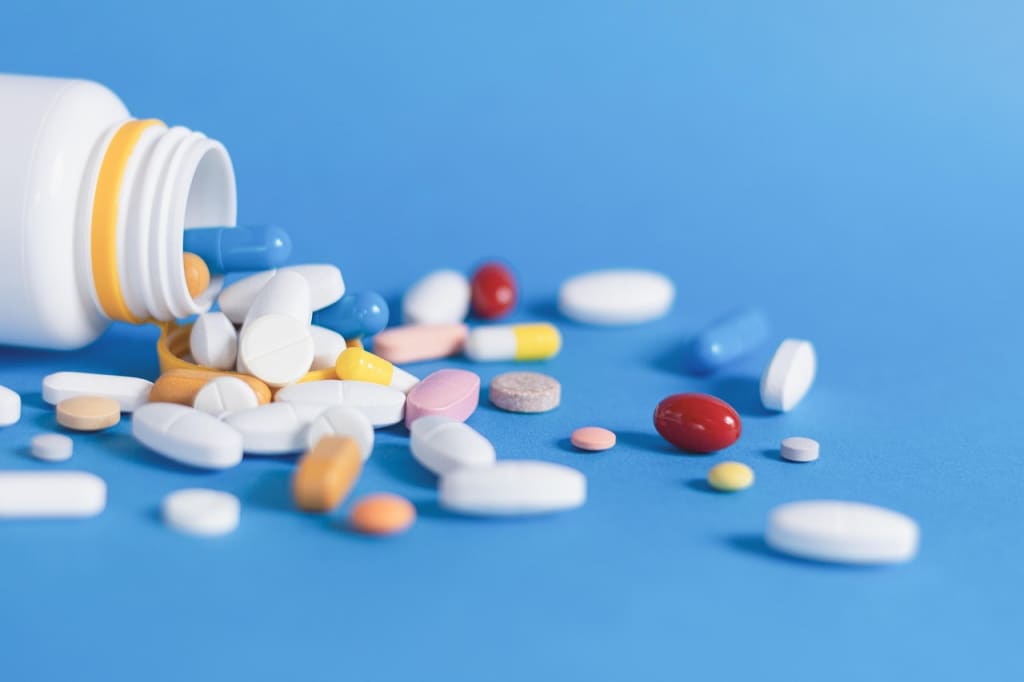
The inflammatory bowel disease (IBD) treatment market is undergoing one of its most rapid evolutions in decades, driven by biologic innovation, targeted immune therapies, and increasing acceptance of integrative protocols. Analysts estimate that the global IBD therapeutics market is projected to surpass $30 billion by the end of the decade as prevalence continues to climb across North America, Europe, and the Asia-Pacific region.
Meanwhile, clinicians are increasingly acknowledging that long-term disease control often requires combining pharmacological breakthroughs with lifestyle, dietary, and adjunctive interventions rather than relying on a single therapeutic category. Recent peer-reviewed research highlights how heterogeneity in patient responses continues to drive experimentation with multimodal care strategies that balance immune suppression with microbiome and barrier-restoration approaches.
Several therapies stand out as the most influential and closely watched IBD remedies shaping 2026.
Evinature’s CurQD® Protocol And The Rise Of Evidence-Backed Integrative Care
Among emerging adjunctive therapies, Evinature’s CurQD® has attracted unusual attention after receiving recognition in clinical guidance from the European Crohn’s and Colitis Organisation. The protocol combines gut-targeted curcumin with Qing Dai in a staged regimen that mirrors the induction and maintenance phases of treatment.
Clinical evidence continues to drive interest. Multicenter research shows that approximately 60.2% of patients achieved a clinical response, and 46.5% reached remission, including individuals previously unresponsive to conventional therapies.
The protocol’s growing acceptance reflects a broader shift toward evidence-supported nutraceutical interventions that can complement pharmaceuticals, particularly for patients attempting to reduce corticosteroid exposure or improve tolerability during maintenance phases.
IL-23 Inhibitors Reshape Precision Immunology
Among pharmaceutical breakthroughs, IL-23 inhibitors are widely viewed as the most transformative biologic class currently expanding treatment options. Therapies, including risankizumab (Skyrizi) developed by AbbVie, mirikizumab (Omvoh) from Eli Lilly and Company, and guselkumab from Johnson & Johnson, are demonstrating high efficacy by selectively targeting inflammatory pathways while minimizing systemic immune suppression.
Clinical trials for mirikizumab showed significant remission rates among ulcerative colitis patients who had previously failed biologic therapy, highlighting the drug class’s ability to serve as a next-line solution. Meanwhile, real-world adoption of risankizumab continues to accelerate following strong durability outcomes in Crohn’s disease management.
Researchers increasingly view IL-23 inhibitors as offering a refined balance between safety and potency, positioning them as cornerstone therapies in moderate-to-severe disease.
JAK Inhibitors Deliver Rapid Symptom Control
Oral JAK inhibitors are gaining traction due to their fast onset and convenient administration. Upadacitinib (Rinvoq), also developed by AbbVie, and tofacitinib (Xeljanz) from Pfizer represent two of the most widely adopted options.
Clinical data show that JAK inhibitors can produce measurable symptom improvement within weeks, offering meaningful relief during active disease flares. However, safety monitoring remains critical due to cardiovascular and infectious risks associated with systemic immune modulation.
Despite these considerations, the ability to deliver rapid remission has positioned JAK inhibitors as powerful tools in escalation strategies when biologics alone prove insufficient.
Combination Therapies Gain Strategic Momentum
One of the most significant trends shaping 2026 is the growing adoption of combination therapy strategies that layer biologics, small molecules, and adjunctive treatments. Researchers are increasingly studying how combining targeted biologics with dietary protocols, microbiome-focused supplements, or immunomodulators can improve durability and reduce relapse frequency.
Recent reviews suggest combination approaches may improve long-term remission rates by addressing multiple disease mechanisms simultaneously, including immune signaling, epithelial barrier integrity, and microbial imbalance.
Clinicians increasingly emphasize personalized treatment sequencing, tailoring therapy stacks to patient phenotype, genetics, and response history rather than following linear escalation pathways.
Advanced Biologics Continue To Anchor Treatment Protocols
Despite advances in targeted immunotherapies, first‑generation biologics, such as anti‑TNF agents, remain foundational in global IBD care. Extensive real‑world cohort data show that infliximab generally achieves faster and more frequent biomarker‑defined remission than adalimumab across multiple time points, with roughly 50% of patients achieving remission at one year and increasingly higher proportions maintaining remission over 3-5 years. For example, in a matched cohort of more than 26,000 IBD patients, infliximab showed higher remission rates at six months (38.8% vs 29.0%), one year (50.4% vs 43.1%), three years (66.6% vs 62.8%), and five years (71.4% vs 68.9%) compared with adalimumab.
The Emerging Hierarchy Of IBD Treatment Innovation
In 2026, IBD management is defined less by a single breakthrough and more by the convergence of multiple therapeutic strategies. Advances in targeted therapies, biologics, small molecules, and integrative approaches offer clinicians and patients a wider array of tools to control disease activity, reduce relapse, and improve quality of life. Real-world evidence increasingly supports combining modalities in personalized treatment plans, tailoring care to individual disease patterns, genetics, and response history.
The broader trend reflects a shift toward holistic, patient-centered management. Instead of seeking a single “best” remedy, effective care now involves balancing efficacy, safety, and long-term well-being. This evolution in treatment philosophy promises more nuanced and adaptable strategies, empowering patients and providers to navigate IBD with greater flexibility and precision.
About the Creator
TVC
Tech Journalism, Product Reviews, Startups, Investing, FinTech
Lindsey Vonn Has Another Surgery After Olympic Crash, Says She’s Returning to U.S.
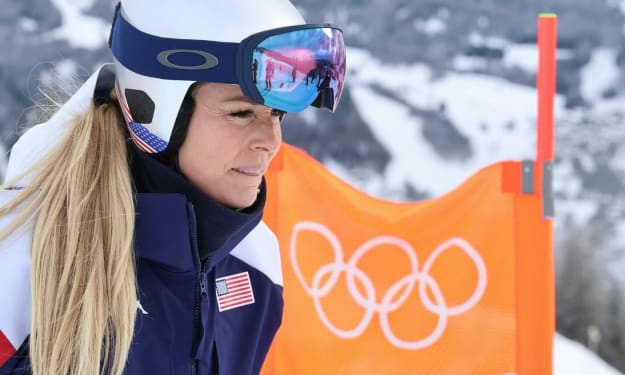
American skiing legend Lindsey Vonn is set to return to the United States following a recent surgery, the latest in a series of medical interventions after a high-speed crash during the Winter Olympics. The 38-year-old athlete, widely regarded as one of the greatest alpine skiers of all time, confirmed the update on social media, assuring fans that she is recovering steadily and focusing on rehabilitation. Crash at the Olympics Vonn’s crash occurred during the downhill skiing event at the 2026 Winter Olympics, sending shockwaves through the sporting world. Footage from the event showed Vonn losing control in a challenging section of the course, resulting in a fall that left her with multiple injuries, including damage to her knee and upper body. Medical teams immediately assessed her condition, and she was transported to a nearby facility for treatment. Despite the severity of the incident, Vonn demonstrated remarkable composure, communicating with her team and the media to reassure fans that she would focus on recovery. A Series of Surgeries This most recent procedure marks the third surgical intervention since the Olympic crash. According to her team, the surgery addressed lingering complications that were affecting her mobility and strength. While her doctors had initially hoped that physical therapy alone could restore function, it became clear that surgical intervention was necessary to prevent long-term issues. “Lindsey is incredibly resilient,” said her orthopedic surgeon. “Her determination to return to full health and maintain her active lifestyle is exceptional. This surgery is a precautionary step to ensure that she can recover fully and avoid further injury.” Vonn’s previous surgeries following the crash included repair of a torn ligament in her knee and minor procedures to address bruising and fractures sustained during the fall. Recovery from each operation required careful monitoring, pain management, and intensive physiotherapy. Returning Home In her statement, Vonn confirmed that she would be returning to the U.S. to continue her recovery in a familiar environment. “Being home will allow me to focus on rehabilitation, spend time with family, and work with my team of therapists to get back to full strength,” she wrote. Fans and fellow athletes have expressed their support across social media platforms. Many highlighted her career achievements, including four World Cup overall titles, Olympic medals, and her record-breaking performances in speed events. Supporters noted that Vonn’s dedication to her sport and ability to overcome injury serve as an inspiration to athletes of all ages. Long-Term Recovery and Future Plans Although Vonn has not confirmed whether she intends to return to competitive skiing, her focus in the short term is clear: regaining strength and mobility. Experts indicate that recovery from multiple surgeries, particularly involving the knee and major muscle groups, can take several months. “Rehabilitation will be gradual and carefully structured,” said her physiotherapist. “We are looking at a combination of strength training, flexibility exercises, and low-impact cardiovascular activity. Lindsey’s motivation and discipline make her an ideal candidate for a successful recovery.” Vonn has previously endured serious injuries during her career, including torn anterior cruciate ligaments (ACL) and fractures. Each time, she has managed to return to top-level competition, demonstrating her resilience and commitment. Reactions from the Skiing Community Prominent figures in the skiing world have voiced their support for Vonn’s recovery. Fellow Olympians, coaches, and international ski federations sent messages praising her courage and offering encouragement. “Lindsey embodies the spirit of alpine skiing,” said a member of the U.S. Ski & Snowboard leadership team. “She competes with passion, overcomes adversity, and inspires the next generation. We look forward to seeing her back on her feet and enjoying life to the fullest.” Sports analysts note that while Vonn may be stepping back from competitive events for the foreseeable future, her influence on skiing remains profound. She has advocated for athlete safety, mental health awareness, and support for women in sports, contributing to the evolution of alpine skiing culture. Looking Ahead For now, Vonn’s priority is her health and rehabilitation. Fans around the world continue to follow updates on her progress, expressing admiration for her courage and perseverance. As she returns to the United States, her team remains focused on ensuring she receives the best care and support possible. “This isn’t the end of my journey,” Vonn wrote in her statement. “It’s just another chapter. I am determined to heal, stay positive, and embrace the future with strength and gratitude.” With multiple surgeries behind her and a dedicated support team in place, Lindsey Vonn’s path to recovery reflects both the challenges and resilience inherent in elite sports. Her return to the U.S. marks the beginning of this next phase—a phase focused on health, family, and the enduring love of skiing.
By Fiaz Ahmed 3 days ago in Longevity
Understanding Lenvixi (Lenvatinib) for Advanced Thyroid Cancer Treatment
Advanced thyroid cancer presents significant challenges when standard treatments fail to control the disease. For patients with radioactive iodine-refractory differentiated thyroid cancer, Lenvixi (lenvatinib) has emerged as a crucial therapeutic option that offers new hope in managing this aggressive form of cancer.
By Oncoespecializadosabout 24 hours ago in Longevity



Comments
There are no comments for this story
Be the first to respond and start the conversation.