
FDA Bans Red Dye No. 3 from Food, Beverages, and Drugs Due to Health Concerns
"FDA Bans Red Dye No. 3 in Food and Drugs Over Cancer Concerns, Marking Major Victory for Consumer Health"

In a major move to protect public health, the U.S. Food and Drug Administration (FDA) has officially banned the use of red dye No. 3 in food, beverages, and ingested drugs. This decision comes over 30 years after scientific studies first discovered potential links between the dye and cancer in animals. Red dye No. 3, also known by its chemical name erythrosine, is a synthetic color additive derived from petroleum. It has been widely used in various products to give them a bright cherry-red color, especially in candies, food, and some drugs.
Background of the Ban
The FDA’s decision to ban the dye follows the submission of a petition in November 2022 by several advocacy groups and individuals, including the Center for Science in the Public Interest and the Environmental Working Group. These organizations cited concerns about red dye No. 3’s potential carcinogenic effects, referencing studies that linked the dye to cancer in animals. Although these findings were made decades ago, the FDA had not taken action until now, prompting frustration among health experts and advocacy groups.

In fact, the decision follows a similar ban by the state of California, which took action in October 2023 to outlaw the use of red dye No. 3. With the FDA now enforcing the ban, manufacturers of food and drugs that use the dye will have until January 15, 2027, and January 18, 2028, respectively, to reformulate their products. This means companies will need to find alternative ways to achieve the vibrant red color in their products. The ban will also apply to imported foods and drugs, ensuring that all products sold in the U.S. comply with these new regulations.
A Long-Awaited Victory for Consumer Health

Health experts and consumer advocacy groups have long called for this change, with many considering the ban a significant victory for consumer health. Dr. Jerold Mande, an adjunct professor of nutrition at Harvard University’s T.H. Chan School of Public Health, called the FDA’s action “long overdue” and hoped that it would signal a renewed commitment by the agency to prioritize public health over industry interests.
Ken Cook, cofounder and president of the Environmental Working Group, also celebrated the ban as a monumental victory. He praised the relentless work of public health advocates, such as Michael Jacobson, who have been fighting for decades to raise awareness about the potential dangers of red dye No. 3 and other harmful additives in food and consumer products.
“This decision is a small step in the right direction,” Cook said, emphasizing the importance of continued efforts to protect consumers from harmful ingredients.
Impact on Popular Products and Brands
Red dye No. 3 is found in numerous popular products, including candies, foods, and beverages. However, many companies had already started phasing out the use of the dye even before the FDA’s decision. Ferrara, the candy company behind Brach’s candies, for example, reported that fewer than 10% of their products contained red dye No. 3, as they began removing it from their products in early 2023.
Similarly, Just Born, the company behind the famous PEEPS marshmallow candies, announced that it would stop using red dye No. 3 after Easter 2024. These companies have already embraced alternatives, including red dye No. 40, which has been considered a safer option. Unlike red dye No. 3, red dye No. 40 has not been as strongly associated with cancer in animal studies.
Red Dye No. 40 Under Scrutiny
While red dye No. 3 is now banned, red dye No. 40 is still commonly used as a substitute in food products. However, red dye No. 40 has also been under scrutiny due to concerns about its effects on health. In fact, California recently banned red dye No. 40 from being used in food and drinks sold in public schools because of concerns over its potential links to behavioral and attention problems in children. Some studies have suggested that the dye may be connected to accelerated immune-system tumor growth in mice, and it’s also linked to the presence of benzene, a known carcinogen.
The growing concerns about food dyes highlight the importance of continued research into the safety of food additives and the need for stronger regulations to protect consumers. While the ban on red dye No. 3 is a significant step forward, many health experts and consumer advocates are urging the FDA to closely examine other food dyes and their potential impact on human health.
Looking Ahead: More Work to Be Done
The FDA’s decision to ban red dye No. 3 is being celebrated as a victory for consumer safety, but it also marks the beginning of ongoing efforts to improve the safety of food and drug additives. With growing awareness of the potential risks posed by synthetic dyes and other chemicals, it’s clear that more work needs to be done to ensure that the products we consume are safe.
As the food and beverage industries adjust to the new regulations, the hope is that this ban will set a precedent for stricter regulations and greater transparency in the food industry. It’s a win for public health, and a reminder that consumer advocacy can bring about meaningful change.
About the Creator
Day 4 of Quitting
If this is how sobriety feels, maybe it’s better to go through life a little buzzed… this, along with other hits like, I want to kill myself, I wish I was dead, and I’m going to throw myself off a bridge have been the only thoughts on rotation these past few days. I promise myself that if, in a month, I still feel like this (‘this’ meaning despondent, full of rage, and simultaneously numb) I can go back to smoking. Until mid-February though? Nicotine is off the table.
By sleepy drafts12 days ago in Longevity
How Social Media Is Rewiring the Teenage Brain
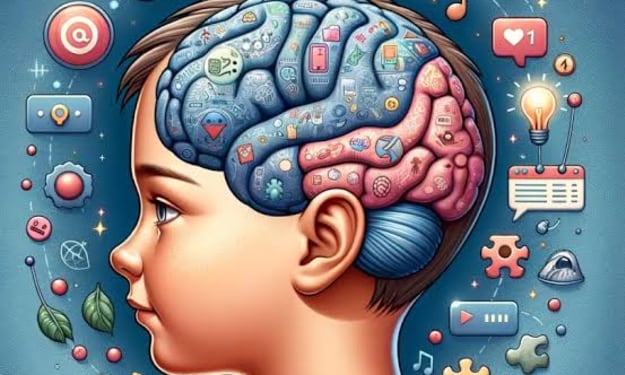
In the last decade, social media has evolved from a simple tool for communication into an immersive ecosystem shaping how we think, feel, and interact. Among the most vulnerable to these changes are teenagers. The adolescent brain, still in its developmental phase, is especially susceptible to the effects of constant connectivity, curated content, and digital validation. Emerging research suggests that social media is not just influencing teenage behavior—it is literally rewiring their brains. The Brain in Adolescence Teenagers undergo profound neurological changes, particularly in the prefrontal cortex, which governs decision-making, impulse control, and planning. At the same time, the limbic system, responsible for emotions and reward processing, is highly active. This imbalance makes teens more prone to risk-taking, peer influence, and emotional volatility. Social media, with its instant feedback loops of likes, comments, and shares, exploits these natural developmental tendencies. Reward Systems and Dopamine Every notification, heart, or comment triggers a release of dopamine—a neurotransmitter associated with pleasure and reward. In the offline world, rewards are typically delayed or earned through effort, but social media delivers instant gratification. Over time, this creates a pattern where teens begin to seek validation from digital platforms rather than internal motivation or real-life achievements. Neuroscientists warn that this constant activation of reward pathways can make adolescents more impulsive and reduce attention spans. The Attention Economy Social media platforms are designed to capture attention. Infinite scrolling, autoplay videos, and algorithm-driven feeds keep users engaged for hours. For teens, whose executive functions are still developing, this can interfere with concentration and memory. Studies have found that teenagers who spend excessive time on social media often experience difficulties focusing on schoolwork, have shorter attention spans, and struggle with task persistence. Emotional Impact and Mental Health The impact of social media on teenage mental health is complex. On one hand, it offers community, self-expression, and connection. On the other, it exposes adolescents to cyberbullying, unrealistic comparisons, and social pressure. Constantly seeing idealized versions of peers’ lives can foster feelings of inadequacy, anxiety, and depression. Researchers have observed changes in brain regions linked to emotional regulation in teens who spend several hours daily on social media. The amygdala, for instance, shows heightened activity in response to perceived social threats, amplifying stress reactions. Social Skills and Empathy Another concern is the effect of social media on social cognition. Face-to-face interactions help teenagers develop empathy, read emotional cues, and understand complex social dynamics. Online interactions, often filtered through text, emojis, and memes, can limit these experiences. Teens who rely heavily on digital communication may find it harder to navigate real-world social situations, potentially impacting long-term relationship skills. Adaptive or Maladaptive? Not all changes induced by social media are negative. Platforms can enhance creativity, provide access to global perspectives, and facilitate learning communities. Some teens leverage social media for activism, skill-building, and self-expression in ways that strengthen their sense of identity and social connectedness. The key lies in moderation, mindful usage, and parental guidance. Toward Healthy Digital Habits Experts recommend several strategies to help teens navigate the social media landscape without compromising brain development. Setting daily time limits, encouraging offline hobbies, and promoting in-person social interactions can balance the benefits and risks. Open communication between parents and teens about online experiences is critical, as is educating adolescents on the impact of digital validation on their emotional and cognitive health. The Road Ahead As neuroscientists continue to study the long-term effects of social media on the teenage brain, one thing is clear: the digital environment is reshaping adolescent development in unprecedented ways. While social media can be a source of learning, community, and creativity, it also presents challenges that require careful navigation. Awareness, education, and proactive strategies can help ensure that teens benefit from the digital age without falling prey to its potential pitfalls. Social media is more than just a tool—it is a force capable of rewiring young minds. Understanding its influence is the first step toward harnessing its potential while safeguarding the next generation’s mental, emotional, and cognitive well-being.
By Fiaz Ahmed Brohiabout an hour ago in Longevity


Comments
There are no comments for this story
Be the first to respond and start the conversation.