
Exploring the Role of Massage in Holistic Health
Integrating Massage with Yoga, Nutrition, and Wellness
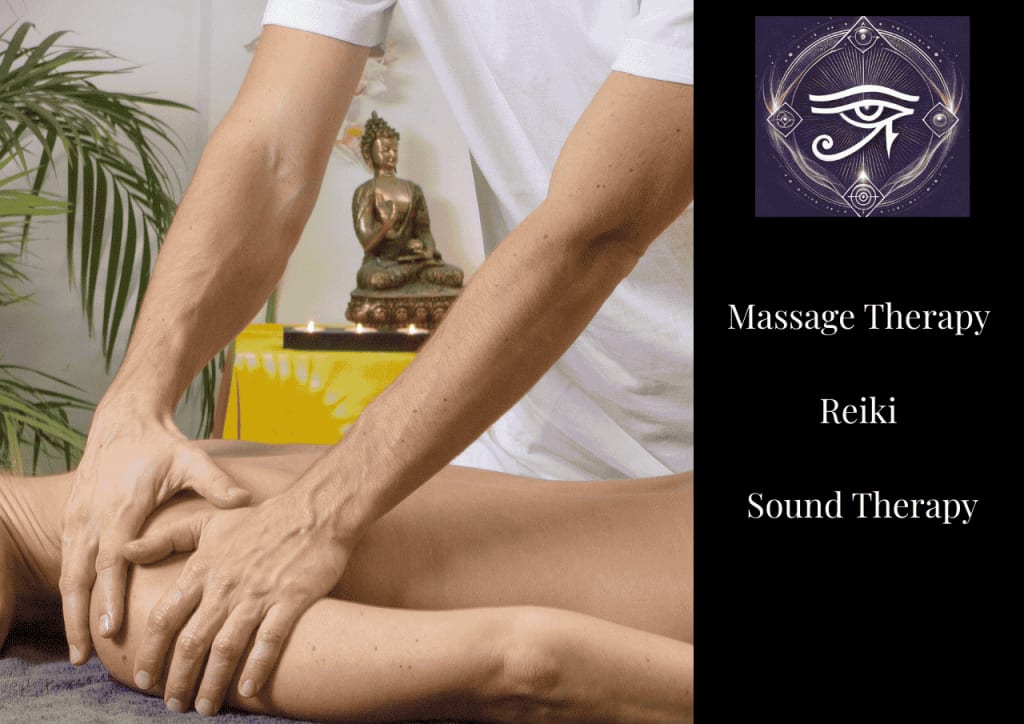
Massage therapy stands at the crossroads of physical relief and mental restoration. It serves not only to alleviate muscular tension but also to enhance overall wellbeing when combined with related practices. In the scope of holistic health, massage acts as a catalyst—reinforcing the benefits of yoga, boosting the impact of smart nutritional choices, and supporting broader wellness routines. At its best, massage is neither an isolated treatment nor an afterthought—it is an integrated pillar of health that interacts with every facet of body and mind.
Massage addresses physical tension, but its influence extends much further. It improves circulation, enhances lymphatic drainage, relieves stress, and stimulates the parasympathetic nervous system. These physiological effects create fertile ground for other practices—such as yoga or mindful eating—to take root more deeply.
Massage as a Bridge to Mind–Body Practices
One essential pathway through which massage weaves into holistic health lies in its ability to prepare the body and mind for further practices. A person arriving at a yoga session following a deep tissue or myofascial release massage often discovers their range of motion has already expanded. Tense muscle fibers have softened, enabling more graceful alignment and preventing strain during challenging postures. The pain-free mobility gained through an effective massage supports gentler transitions into yoga, and practitioners can hold poses with more ease and less distraction.
The psychological shift following massage is equally important. Massage downregulates the stress response, reducing cortisol levels and activating relaxation pathways. As a result, individuals step onto the mat with lowered anxiety and increased present-moment awareness. They are more capable of focusing on breath, posture, and subtle body sensations—precursors to deeper yoga practice that stretch far beyond the physical.
Deepening Breath Awareness Through Connective Practice
Massage stimulates proprioceptive awareness: the body’s internal sense of position and movement. Classic modalities such as Swedish massage or acupressure highlight areas where tension has shifted alignment. With renewed sensory clarity, the mind becomes more attuned to breath patterns. When that individual transitions into pranayama (breathwork) or breath-centric flow yoga, they perceive nuances previously unnoticed—shallow rib cage expansion, uneven diaphragmatic engagement, or unhelpful breath holds.
Maintaining alignment and enhancing bone structure awareness are more intuitive after massage. The interplay between massage and breathwork fosters a positive cycle: massage liberates the diaphragm and thoracic cavity; breathwork reinforces deeper lifestyle connections; yoga refines postural stamina. Each element supports the others in a resonant integration that amplifies efficacy.
Nutritional Synergy: Healing from the Inside Out
The mind–body benefits of massage dictate a synergy with proper nutrition. Massage enhances blood and lymph flow, helping distribute oxygen, nutrients, and immune cells more readily throughout tissues. This increased circulation allows vitamins, minerals, and amino acids to reach areas in need of repair. Thus, adequate dietary choices provide the raw materials; massage serves as a conductor, ensuring delivery throughout the body.
Consider an individual aiming to reduce systemic inflammation. An intentional food plan rich in antioxidant-laden fruits, green vegetables, omega-3 fatty acids, and selective spices like turmeric or ginger complements massage's natural anti-inflammatory effects. Massage breaks down adhesions, restores joint mobility, and relieves soreness. Meanwhile, an anti-inflammatory nutritional strategy sustains this repair at the cellular level.
When the digestive system operates well, individuals feel lighter, more alert, and experience better absorption of nutrients. Massage indirectly contributes here by easing stress and tension—a recognized inhibitor of digestion. In this way, massage massage actively supports nutritional goals; improved digestion supports healthy assimilation, creating a positive feedback loop.
Massage as Preventive Therapy
Preventive health emphasizes maintaining wellness rather than managing disease. In fact, routine massage can identify dysfunctional tissues early—areas of chronic tension, stiffness, or maladaptive posture—before they manifest as visible pain. When integrated with yoga classes that repeat patterns, strengthen core musculature, and support postural awareness, massage becomes a diagnostic and corrective tool.
Likewise, nutrition plays a preventive role; balanced dietary patterns maintain healthy inflammatory markers, blood sugar levels, and metabolic health. Combined with regular massage to address early tension, and mindful physical engagement through yoga, individuals establish a triad of cleaning, building, and maintaining: cellular nourishment, structural resilience, and clearance of physical and mental blockages.
Psychological Nourishment Through Touch
Holistic health does not privilege the body alone. Massage—by nature of pleasant human contact—provides emotional nourishment. It supports a basic sense of safety, pleasure, and invitation to soften and release judgment. Many individuals report feeling lighter, calmer, even more emotionally regulated after massage.
When combined with yoga, which often includes meditation or gentle stillness, massage can effectively pave the way for reaching calm states more rapidly. Nutrition supports this by stabilizing mood through balanced blood sugar and adequate intake of nutrients like B vitamins and magnesium. Together, these practices allow individuals to remain emotionally grounded, calm in the face of stress, and open to introspection and mindful living.
Tailoring For Individual Needs
Essential to the success of any integrative approach is tailoring to the individual. A marathon runner might benefit most from a combination of sports massage, electrolyte-focused nutritional recovery, and restorative yoga. Conversely, a high-stress office worker may need aroma-infused Swedish massage, grounding yoga nidra, and a diet prioritizing fiber and blood sugar balance. Identifying pain points, lifestyle constraints, and health goals guides the choice of modalities in a personalized integrative plan.
Creating a Consistent Regimen
Consistency is the backbone of integration. An effective regimen might look like weekly massage, three yoga sessions, and daily meals that support metabolic and immune well-being. The frequency and modality of massage—whether deep tissue for muscular release or lymphatic drainage for detoxification—are shaped by short-term objectives.
It helps to coordinate massage scheduling with yoga and nutrition rhythms. For instance, pairing massage sessions with rest days after intense yoga practice ensures recovery. Nutritionally, light meals before yoga combined with protein-rich recovery snacks after both massage and yoga support tissue repair and mental clarity.
Measuring Progress
Unlike medicine, which often relies on diagnostic tests, progress in an integrative model is best measured through qualitative and quantitative feedback. Are tension points diminishing? Is sleep quality improving? Are emotions more stable? Have yoga postures become more accessible? Tracking these subjective outcomes, perhaps through a journal or mobile app, clarifies which combinations are effective and which may need adaptation.
Accessing Community and Professional Guidance
A truly holistic plan integrates professional expertise and peer learning. Collaborating with certified massage therapists ensures precision in addressing body stressors. Yoga instructors contribute alignment knowledge, mindfulness techniques, and safe sequencing. Registered dietitians or functional medicine clinicians tailor nutrition based on individual metabolism, sensitivities, or chronic conditions.
Peer groups or wellness workshops reinforce positive habits and help individuals remain motivated. Shared accountability encourages participation in all aspects of the regimen. These community elements enhance well-being, safety, and commitment.
Overcoming Misconceptions
Some assume massage is indulgent or reserved for luxury experiences, rather than fundamental health care. Similarly, yoga is often viewed as purely physical flexibility training, while nutrition is seen merely as calorie management. A holistic framework reveals their deep interactions. When viewed in isolation, each modality may appear cosmetic or weighty; when integrated, they become functional and sustainable health strategies.
Massage restores muscular and emotional balance. Yoga integrates structural improvements into movement patterns. Nutrition sustains the body’s building blocks and energy. Together, they form a true axis of holistic maintenance—an ongoing, daily practice of physical, emotional, and biological balance.
The Olympia, Washington Connection
For residents of Olympia, Washington, this integrative approach is within reach. Reiki Massage Metaphysical Healing Service, located in Olympia, WA, offers precisely this style of therapeutic massage—tailored to support yoga alignment, calm the nervous system, and enhance resilience. Their therapists frequently collaborate with local yoga studios and nutrition practitioners to craft individualized programs. Olympia’s wellness community values such synergy, and clients of Reiki Massage often report deeper rest, improved postural alignment, and greater emotional steadiness.
A Path Toward Sustainable Health
Massage plays a central role in holistic health. It stimulates circulation, reduces stress, prepares the body for mindful movement, and supports nutritional absorption. When combined with yoga and balanced nutrition, it forms part of a self-sustaining wellness ecosystem. This triangulation of touch, breath, and nourishment helps individuals break free from chronic pain, anxiety, metabolic imbalance, and fatigue.
Holistic wellness is not an aesthetic pursuit; it is a lifelong commitment to balance, resilience, and self-awareness. Massage offers not only temporary comfort but also tangible gateways into deeper arcs of transformation. It turns flexibility into liberation, food into fuel, and breath into presence. It keeps the system moving—physically, emotionally, and spiritually—so that the body is not just a machine, but a home.
Conclusion
Massage is indispensable within a holistic wellness program. Its physical and psychological effects reinforce the power of yoga and nutrition, establishing a robust framework for lifelong health. With customized regimens that respect individual needs and consistent practice, massage empowers true integration—nurturing harmony among body, mind, and spirit.
Residents of Olympia seeking this level of integrative care can find support through Reiki Massage Metaphysical Healing Service. Their approach underscores the significance of local holistic collaboration—anchoring global principles in personalized, place-based practices. If you’re pursuing a path of holistic health, consider forming an experienced circle of massage, yoga, and nutrition professionals. Their alliances can unlock healing that transcends the sum of its parts.
About the Creator
Keep reading
More stories from Reiki Massage Metaphysical Healing Service and writers in Longevity and other communities.
Finding Balance with Meditation
It's common to feel overwhelmed by the demands of daily life, but you can find stability through meditation. This practice helps you cultivate mindfulness, reduce stress, and enhance emotional well-being. By integrating simple meditation techniques into your routine, you’ll achieve greater clarity and calmness, enabling you to navigate challenges more effectively. Exploring meditation allows you to reconnect with yourself and restore a sense of balance in both mind and body, fostering resilience and peace in your everyday experiences.
By Reiki Massage Metaphysical Healing Service8 months ago in Longevity
How Trackless Mining Equipment Suppliers in China Operate in 2026
When searching for reliable trackless mining equipment manufacturers in China, the options get overwhelming fast. You jump on a supplier portal and suddenly see thousands of identical looking machines. Buying heavy machinery for a mine is not like ordering basic office supplies. If a loader breaks down three miles underground, the whole production schedule stops immediately. The financial hit is massive. Finding the right factory matters a lot more than just getting a cheap price tag on a shiny new vehicle.
By CEO A&S Developers2 days ago in Longevity
What is a safe air corridor? How planes still fly during airspace closures in the UAE
When geopolitical tensions, natural disasters, or security concerns arise, countries may close parts of their airspace to commercial and cargo flights. Yet, aircraft often continue to operate safely in affected regions, thanks to the concept of safe air corridors—predefined routes that allow planes to navigate restricted airspace while avoiding hazards. This system is particularly relevant in the United Arab Emirates (UAE), where strategic location and proximity to regional conflicts occasionally lead to temporary airspace restrictions. Understanding Airspace Closures Airspace closures are imposed by governments or aviation authorities to ensure the safety of aircraft. In the UAE, such closures may occur due to military exercises, regional conflicts, drone activity, or threats to civil aviation. When a segment of airspace is declared off-limits, airlines must reroute flights around the restricted zone to prevent potential risks. These closures are usually coordinated with the General Civil Aviation Authority (GCAA), the UAE’s governing body for civil aviation safety and regulation. During these periods, normal flight operations are disrupted, and pilots rely on updated information from Air Traffic Control (ATC) and real-time navigation systems to maintain safe routes. While closures can delay flights or increase fuel consumption due to longer flight paths, modern aviation technology ensures these detours are safe and efficient. What Are Safe Air Corridors? A safe air corridor is a route designated by aviation authorities that allows aircraft to traverse or bypass areas of restricted airspace without entering dangerous zones. These corridors are carefully calculated using a combination of air traffic control data, radar monitoring, satellite information, and international flight regulations. The primary purpose of a safe air corridor is to: Avoid hazards – This includes potential missile threats, drone activity, or conflict zones. Maintain operational efficiency – Even when parts of airspace are closed, corridors help minimize delays and fuel usage. Ensure separation between aircraft – Air corridors prevent mid-air collisions by providing structured lanes with defined altitudes and headings. Safe air corridors are not unique to conflict regions—they are also used during volcanic ash clouds, severe weather events, or temporary airport closures. For instance, airlines often rely on these corridors to fly safely around storm systems or ash plumes that could damage aircraft engines. How Safe Corridors Work in the UAE The UAE’s geographical position makes it a hub for international flights connecting Europe, Asia, and Africa. Occasionally, regional tensions in nearby countries may lead to partial closures of UAE-controlled airspace. When this happens, the GCAA coordinates with international bodies such as the International Civil Aviation Organization (ICAO) and nearby countries’ air traffic authorities to establish safe routes for airlines. Airlines submit flight plans that adhere to these corridors, which are updated in real-time to account for new threats or operational changes. Pilots follow these predefined paths, adjusting altitudes and headings according to ATC instructions. Advanced navigation systems such as GPS, inertial navigation, and Automatic Dependent Surveillance–Broadcast (ADS-B) ensure that aircraft remain within safe zones throughout their journey. The UAE’s major airlines, including Emirates and Etihad, regularly train their pilots to operate under these conditions. Crew members are briefed on the corridors, alternative routes, and emergency procedures in case of unexpected airspace restrictions. The combination of regulatory oversight, technology, and pilot training allows flights to continue safely even during temporary closures. Coordination with International Flights Because the UAE serves as a transit point for international flights, safe air corridors must also align with global aviation standards. ICAO provides guidance on conflict-zone overflights, advising airlines on risk assessment, insurance requirements, and operational procedures. Many international carriers flying through UAE airspace rely on real-time updates from aviation intelligence providers to adjust their routes proactively, ensuring safety without compromising schedules. Benefits and Limitations Safe air corridors provide a crucial balance between security and operational efficiency. They allow airlines to: Maintain flight schedules despite airspace closures. Reduce risks from regional conflicts or hazards. Protect passengers and crew from potential threats. However, there are limitations. Rerouted flights may experience longer journey times, increased fuel costs, and higher operational complexity. Furthermore, corridors are only as reliable as the intelligence and monitoring systems supporting them. Sudden escalations in regional threats can prompt additional restrictions, requiring dynamic adjustments mid-flight. Conclusion Safe air corridors are an essential component of modern aviation safety, particularly in regions with geopolitical sensitivity such as the UAE. By combining regulatory oversight, advanced navigation systems, and coordinated international protocols, airlines can continue to operate efficiently while minimizing exposure to risk. For passengers, this means that even amid temporary airspace closures, flights can remain largely uninterrupted, demonstrating the robustness and adaptability of the global aviation network. These corridors exemplify how careful planning, technology, and international cooperation come together to ensure that civil aviation continues to operate safely, no matter the challenges above the skies.
By Fiaz Ahmed 5 days ago in Longevity
A Transparent Look at Vocal Challenges and Top Stories
Almost three years ago, we shared a resource article that served as a place for people to suggest new challenge prompts. We thought it would be a good idea to refresh that thread, and take the opportunity to answer a few common questions about top stories, how challenges are judged and how submissions are reviewed.
By Vocal Curation Team4 days ago in Resources



Comments