
Finding Balance with Meditation
Mental and Emotional Self Care

It's common to feel overwhelmed by the demands of daily life, but you can find stability through meditation. This practice helps you cultivate mindfulness, reduce stress, and enhance emotional well-being. By integrating simple meditation techniques into your routine, you’ll achieve greater clarity and calmness, enabling you to navigate challenges more effectively. Exploring meditation allows you to reconnect with yourself and restore a sense of balance in both mind and body, fostering resilience and peace in your everyday experiences.
Key Takeaways:
Regular meditation helps reduce stress and promotes emotional stability by encouraging mindfulness and present-moment awareness.
Incorporating short, consistent meditation sessions into daily routines can improve focus, clarity, and overall well-being.
Different meditation techniques, such as guided meditation or breathing exercises, allow individuals to find a practice that best supports their personal balance and mental health.
The Historical Roots of Meditation Practices Ancient Traditions and Spirituality
Tracing back thousands of years, you find meditation deeply intertwined with the spiritual frameworks of early civilizations. In ancient India, texts like the Vedas and Upanishads, dated around 1500 BCE, describe meditative practices aimed at transcending ordinary consciousness to achieve spiritual insight. The yogic traditions, particularly those codified by Patanjali in the Yoga Sutras around 400 CE, offer systematic approaches to meditation that emphasize ethical living, breath control, and focused concentration. These ancient teachings positioned meditation not just as a tool for relaxation but as a path to enlightenment and liberation from suffering.
Meanwhile, in ancient China, you can observe meditation emerging alongside Taoism and later within Buddhist monastic practices. The Taoist concept of "zuo wang" or "sitting and forgetting" encouraged sitting quietly to harmonize with the Tao, the fundamental principle underlying the universe. By engaging with these early spiritual disciplines, you connect with a legacy that views meditation as a bridge between the material and the metaphysical, a method to harmonize mind, body, and spirit in pursuit of deeper understanding.
Evolution Through Cultures and Time
Meditation did not remain static within its original settings but evolved as it traveled across cultures and centuries. You can trace its adoption into Buddhism, originating in India but spreading through Asia to China, Japan, and Tibet, where it formed the backbone of distinct schools like Zen and Tibetan Vajrayana meditation. Each tradition adapted meditation techniques based on local philosophies, religious objectives, and social contexts. For example, Zen meditation (zazen) emphasizes mindfulness and direct experience to attain sudden enlightenment, whereas Tibetan practices often involve elaborate visualization and mantra recitation to cultivate compassion and wisdom.
The modern era has witnessed meditation's expansion beyond spiritual boundaries into secular applications including healthcare and wellness. Research over the last few decades has documented benefits such as reduced stress, improved attention, and emotional regulation, leading to the popularization of mindfulness meditation in Western psychology. Now, meditation practices are integrated into clinical treatments, corporate wellness programs, and everyday routines, reflecting a dynamic adaptation shaped by your evolving cultural landscape and personal needs.
As you engage with this history, notice how meditation’s transformation illustrates the flexible yet profound nature of these practices. From sacred rituals embedded in ancient spiritual quests to cutting-edge scientific investigations of neural activity, meditation continues to adapt, offering you tools that resonate across diverse contexts and personal journeys.
The Science Behind Meditation’s Impact on the Brain Neuroplasticity: Reshaping Our Mental Pathways
You may have noticed how your thoughts and reactions start to shift the more you meditate. This happens because meditation actively engages your brain’s ability called neuroplasticity—the capacity to reorganize itself by forming new neural connections. Neuroscientific studies have shown that regular meditation can increase the thickness of the prefrontal cortex, the area responsible for attention, decision-making, and emotional regulation. For example, experienced meditators exhibit greater gray matter density in this region compared to non-meditators, indicating that your practice can physically reshape your neural pathways to promote calmer and clearer thinking.
Further research reveals changes in the amygdala, the brain’s fear and stress center. After just eight weeks of mindfulness meditation, many individuals demonstrate decreased amygdala volume and reduced connectivity with other stress-processing regions. This structural rewiring supports your ability to respond to stressful situations with greater composure and less automatic reactivity. Essentially, your consistent meditation practice helps reframe the wiring in your brain, enabling more balanced emotional responses over time.
The Role of Mindfulness in Stress Reduction
Mindfulness meditation emphasizes maintaining a non-judgmental awareness of your present sensations, thoughts, and emotions, which directly interrupts habitual stress reactions. Studies using functional MRI have found that mindful meditation activates the parasympathetic nervous system, promoting relaxation and recovery after stress exposure. For instance, individuals practicing mindfulness show reduced cortisol levels—a key stress hormone—compared to control groups, indicating a biological shift toward lower stress activation. This effect helps your body return to equilibrium more quickly after challenging events.
Moreover, engaging in mindfulness improves your cognitive flexibility. When faced with stressors, you gain the ability to observe your anxiety rather than becoming overwhelmed by it. This mindful distancing interrupts the rumination cycle that often exacerbates stress. Research indicates increased connectivity between the prefrontal cortex and limbic system in meditators, facilitating better emotional regulation. This rewiring enables you to make calmer decisions under pressure and enhances overall well-being.
Expanding on these benefits, mindfulness also fosters a greater sense of self-compassion and acceptance. These emotional qualities soften stress responses by reducing self-criticism and promoting adaptive coping strategies. Clinical trials show that mindfulness-based stress reduction programs lead to meaningful improvements in symptoms among patients with anxiety and depression, supporting its role as a powerful tool for managing stress-related conditions. Consistent mindfulness practice gradually transforms not just your brain’s structure, but the way you process and interact with stress itself.
How Meditation Restores Work-Life Harmony Balancing Work-Related Stress with Mindfulness
You can actively manage the pileup of work stress by integrating mindfulness into your daily routine. Neuroscientific research shows that mindfulness meditation decreases activity in the amygdala, the brain's stress center, which translates to lower anxiety levels during high-pressure situations. When you take a few minutes to focus on your breath or scan your body for tension, you create a mental space that interrupts stressful thought patterns, allowing your nervous system to reset. For example, professionals who practiced brief mindfulness breaks during their workday reported a 32% reduction in perceived stress over an eight-week period, according to a 2020 study published in the Journal of Occupational Health Psychology.
The practice of mindfulness also helps you notice signs of burnout before they escalate. You begin to recognize physical sensations like tight shoulders or shallow breathing as cues for pause, signaling the need to step away momentarily. This early awareness encourages you to incorporate short, deliberate breaks that help maintain emotional balance and prevent cumulative stress from overwhelming your capacity to maintain work-life boundaries.
Enhancing Productivity Through Focused Awareness
Meditation refines your ability to direct attention deliberately, which impacts productivity markedly. By training your mind to remain anchored in the present task, meditation reduces the distraction from multitasking and wandering thoughts. As a result, you experience improved concentration that shortens the time needed to complete tasks and reduces errors. Data from a study at the University of Washington revealed that participants who engaged in mindfulness meditation improved their working memory and showed a 15% increase in relevant task completion speed compared to controls.
This enhanced focus also fosters greater mental clarity, allowing you to prioritize work more effectively and tackle complex problems with less mental fatigue. It sharpens your decision-making ability, cutting down on procrastination and making your workday feel more manageable and less cluttered with unnecessary agitation.
Understanding how focused awareness influences productivity extends beyond just doing more—you learn to work smarter by eliminating the habitual distractions that erode your cognitive resources. This benefit you gain through meditation echoes in your professional output, supporting sustained engagement without burnout.
Meditation Techniques for Busy Lives
Quick and Effective Meditative Practices
You can achieve significant mental clarity with just a few minutes of focused breathing throughout your day. Studies have shown that even short sessions, as brief as two to five minutes, can reduce stress hormone levels by up to 20%. Techniques like box breathing—inhale for four counts, hold for four, exhale for four, hold for four—work well when you're pressed for time but need to reset your mental state swiftly. Using a timer or guided app can help anchor these quick sessions, ensuring you stay consistent and gain maximum benefit.
Another approach to incorporate into brief breaks is the body scan meditation. Instead of a long, full-body scan, focus on one part of your body at a time—say your hands or feet—observing sensations or tension patterns. This targeted practice can be done in under five minutes and serves as a reliable mental reset when transitioning between tasks or meetings. You’ll likely notice an increase in your focus and reduced physical discomfort after a day of sitting or standing.
Incorporating Mindfulness into Daily Routines
Mindfulness doesn’t demand extra time carved out of your busy schedule—it thrives in moments you already spend on repetitive tasks or transitions. Mindful eating is an excellent example: paying close attention to the flavors, textures, and aroma of your food during a meal, without distractions like screens or multitasking, cultivates a calm and grounded state. Even brief pauses to feel the sensation of water while washing your hands or to listen carefully to ambient sounds as you walk can anchor you to the present moment, subtly rewiring your habitual mindset over weeks.
Using your daily commute as a mindfulness practice can transform an otherwise stressful experience. If you're on public transport or in a car, instead of getting lost in to-do lists or digital distractions, focus on your breath or gently observe the passing scenery without judgment. Many practitioners report improved mood and less reactivity to external stressors after cultivating this habit. Additionally, setting reminders or pairing mindfulness with existing routines, such as brushing your teeth or waiting in line, helps cement the practice without overwhelming your schedule.
Expanding mindfulness further, consider integrating brief moments of conscious attention with routine activities like household chores or work breaks. For instance, while washing dishes, you might pay attention to the warmth of the water, the pressure of your hands, or the sound of splashing, using these sensory cues to anchor your mind. Over time, this consistent effort strengthens your attentional control and resilience to stress, effectively weaving meditation into the fabric of your everyday life.
Common Misconceptions That Hinder Meditation
The Myth of ‘Right’ or ‘Wrong’ Ways to Meditate
You might hesitate to start meditating because you wonder if you’re doing it "correctly." The truth is, meditation doesn’t have a one-size-fits-all method. Many believe that if their mind wanders, they’ve failed, or if they don’t achieve immediate calm, the practice isn’t working. However, meditation is less about perfect execution and more about consistent practice and self-compassion. Even seasoned meditators experience distractions or difficulty focusing, which means your experience is part of the process, not a setback.
Different styles—such as mindfulness, loving-kindness, body scan, or transcendental meditation—cater to various needs and preferences. Exploring these approaches allows you to find what resonates best with you. Unlike what some guides imply, there’s no ‘right’ or ‘wrong’ getting-started point. You won’t lose benefits if your session looks different from the traditional image of sitting cross-legged in silence. For deeper insights on tailoring meditation to fit your life and mind, you can explore How to Get All the Benefits of Meditation by Balancing.
Addressing the Fear of Silence and Stillness
Many avoid meditation because the prospect of silence and stillness can feel intimidating or uncomfortable. When you slow down and reduce external stimuli, suppressed thoughts and emotions often rise to the surface, making you confront feelings you'd rather avoid. This encounter with inner silence isn't a failure but an opportunity to observe and understand yourself more deeply. Getting to the root of these feelings can transform how you experience both meditation and daily life.
Physiological responses may also come into play: a rapid heartbeat or restlessness during stillness could trigger anxiety or reinforce negative associations with being alone with your thoughts. Rather than pushing through in discomfort, easing into shorter sessions or incorporating guided meditations can help acclimate your mind and body to this new level of awareness. Over time, these moments of silence can become a sanctuary rather than a source of fear, enhancing your overall sense of balance.
In certain psychological studies, participants who gradually increased their exposure to quiet meditation showed reduced anxiety levels and better emotional regulation over periods of eight weeks. Techniques such as focusing on the breath or a calming phrase can redirect anxious thoughts and create a mental buffer zone. Incorporating movement-based practices like walking meditation or gentle stretching before sitting still also helps bridge the gap between activity and rest, making the transition smoother and less daunting.
Building a Sustainable Meditation Habit
Setting Realistic Goals for Practice
The key to embedding meditation deeply into your daily routine lies in how you set your initial goals. Start with short, manageable sessions—five to ten minutes per day—to avoid overwhelming yourself. Gradually increase the duration as your comfort and discipline grow. This incremental approach allows your mind to adapt to the practice without causing frustration or burnout. For example, you might begin by meditating for five minutes each morning, then add an additional five minutes once you notice your focus improving and the process becoming more natural.
Consider setting specific goals around frequency rather than length, especially if your schedule varies. Three to four sessions a week can offer significant benefits, promoting consistency while accommodating fluctuations in your daily life. You might use triggers like brushing your teeth or having your morning coffee to cue your meditation, seamlessly integrating it into habits you already maintain. Such practical goal-setting paves the way for long-term success.
Tracking Progress and Adjusting Techniques
Tracking your meditation progress can reveal patterns in your practice that might otherwise go unnoticed. Keeping a journal or using a meditation app with built-in metrics enables you to document session length, time of day, meditation type, and how you felt before and after each session. This data helps you identify what works best—perhaps morning sessions boost your focus throughout the day, while evening meditations enhance relaxation before sleep. Regular review of this information empowers you to adjust your techniques to fit your evolving needs.
If you notice plateaus or diminishing returns, you might experiment with different meditation styles such as mindfulness, loving-kindness, or body scan techniques. Switching formats can reinvigorate your practice and target different aspects of your mental and emotional well-being. Incorporating guided meditations or soundscapes could also diversify your experience, preventing monotony.
Diversification in technique plays a significant role in sustaining long-term engagement. By fine-tuning your approach based on ongoing observation, you're more likely to maintain momentum and deepen the benefits. The adaptability of your practice ensures it remains relevant and positively impactful as your personal circumstances and goals evolve over time.
Personal Transformation Through Meditation
Real-Life Stories of Positive Change
You might find inspiration in the journey of James, a corporate executive who began meditating to manage his overwhelming workload and anxiety. Within a few months of consistent practice, he reported a 40% decrease in reported stress levels and significant improvements in his decision-making abilities. His daily meditation routine transformed not only his mental clarity but also his interpersonal relationships at work.
Similarly, Aisha, a mother of two balancing family and career, discovered meditation as a tool to regain her sense of calm amidst daily chaos. After incorporating mindfulness meditation for just 15 minutes each morning, she noticed enhanced emotional resilience and better sleep quality. These changes allowed her to approach challenges with a renewed perspective, fostering a more harmonious home environment.
Testimonials From Diverse Practitioners
Practitioners from various backgrounds share how meditation has uniquely impacted their lives. A veteran recounts how meditation helped alleviate symptoms of PTSD, providing a non-pharmaceutical path to healing. Meanwhile, a college student credits daily meditation with improved focus and academic performance, attributing a 20% boost in test scores to enhanced concentration.
Yoga instructors highlight meditation as a complement to physical practice, deepening the mind-body connection for their students. Entrepreneurs express how meditation supports creativity and stress management, enhancing productivity during high-pressure periods. These testimonials signify the wide-ranging benefits of meditation tailored to individual lifestyles and challenges.
The diversity in experiences underscores meditation’s adaptability. Whether you manage stress, seek emotional balance, or aim to boost cognitive function, these firsthand accounts reflect how meditation molds itself around your personal needs and goals, providing tangible improvements across various facets of life.
Meditation as a Tool for Greater Resilience
Facing Challenges: Emotional and Psychological Benefits
You may notice that consistent meditation practice significantly enhances your capacity to navigate emotional turbulence. For instance, mindfulness meditation has been linked to reduced activity in the amygdala, the brain region responsible for processing fear and anxiety, which can translate into a calmer response to stressful situations. Studies indicate that participants who meditated regularly reported a 30% decrease in symptoms associated with anxiety and depression within eight weeks, underscoring how meditation builds emotional regulation.
Moreover, meditation strengthens cognitive flexibility, enabling you to adapt your thinking during conflicts or unexpected setbacks. This mental agility helps you shift perspective and avoid rumination, which often exacerbates psychological distress. By cultivating an observer’s mindset, meditation trains your brain to remain grounded in the present, even when confronted with intense emotions or negative thoughts, fostering resilience that withstands daily pressures.
Strengthening Relationships Through Compassionate Awareness
Meditation fosters a heightened sense of empathy and compassion, which naturally carries over into your interpersonal connections. Loving-kindness meditation, for example, has been shown to increase positive feelings and social connectedness by promoting altruistic behavior. Practitioners often experience a tangible improvement in relationship quality, as they become more attentive and less reactive during conversations, creating space for genuine understanding and emotional support.
The practice encourages you to recognize common human experiences of suffering and joy, which diminishes feelings of isolation and judgment. Over time, this compassionate awareness allows you to respond to others with increased patience and kindness. Such shifts in attitude can repair existing tensions and nurture deeper, more authentic bonds that withstand the inevitable challenges you and your loved ones face.
Diving deeper, research reveals that compassion-focused meditation activates neural pathways linked with social bonding, such as the release of oxytocin and activation in the insula and anterior cingulate cortex. These physiological changes explain why meditators often report improved trust and cooperation in both personal and professional relationships, illuminating a neurobiological foundation for how meditation contributes to resilient social networks.
Final Thoughts on Finding Balance with Meditation
Consistency Over Intensity
Engaging with meditation consistently tends to yield more substantial results than sporadic, intense sessions. Research from Harvard University indicates that even short daily practices—about 10 minutes each day—can lower cortisol levels, the stress hormone, by up to 30% after just eight weeks. Your aim should be integrating meditation seamlessly into your daily routine rather than pursuing marathon sessions on weekends.
Adaptability in Practice
Meditation methods are not one-size-fits-all; what suits you might differ greatly from others. If you find a particular technique difficult to maintain, consider alternatives like guided imagery, body scans, or even walking meditations. The key lies in adjusting the practice to fit your mood, environment, and available time, which ensures that meditation remains a sustainable part of your lifestyle.
Measuring Your Progress
Tracking subtle changes can reinforce your commitment. You might notice improvements in concentration, a decrease in impulsivity, or better sleep quality. Keeping a journal to note these shifts can enhance your awareness of how meditation influences your mental and physical well-being. Such tangible evidence often motivates persistence.
Integrating Mindfulness Beyond Formal Practice
The balance you seek through meditation extends naturally into daily activities. Incorporating mindfulness during routine tasks like eating, commuting, or even conversing helps reinforce the centeredness gained in formal sessions. Over time, this creates a resilience that equips you to handle stress with greater ease and clarity.
Recognizing Meditation as a Personal Journey
Your experience with meditation evolves alongside your personal growth. Progress may come in waves; some days you might feel deeply centered, while others could feel distracted or restless. Viewing these fluctuations as a natural part of your journey fosters patience and self-compassion, both of which enhance the benefits you receive.
Q: How can meditation help in achieving a better work-life balance?
A: Meditation promotes mindfulness, which helps individuals become more aware of their thoughts and emotions. By practicing meditation regularly, people can reduce stress and increase their ability to focus on the present moment. This enhanced awareness can lead to better decision-making and time management, enabling individuals to prioritize both work responsibilities and personal life more effectively, ultimately creating a more harmonious balance.
Q: What is the best time of day to meditate for those trying to find balance?
A: The best time to meditate can vary depending on personal schedule and preferences. Many find that meditating in the morning sets a positive tone for the day, helping to cultivate calmness and focus before engaging in daily tasks. Others benefit from meditating during a break or in the evening to unwind and reflect after a busy day. It's important to experiment with different times to discover when meditation feels most restorative and supportive of maintaining balance.
Q: How long should meditation sessions be to effectively support balance in daily life?
A: Meditation sessions can be as brief as 5 to 10 minutes or as long as 30 minutes or more, depending on individual needs and availability. Beginners might start with shorter sessions to build consistency without feeling overwhelmed. Over time, increasing the duration can deepen the practice and its positive effects. The key is to maintain regularity and choose a duration that fits comfortably into your routine, helping sustain a sense of calm and centeredness throughout the day.
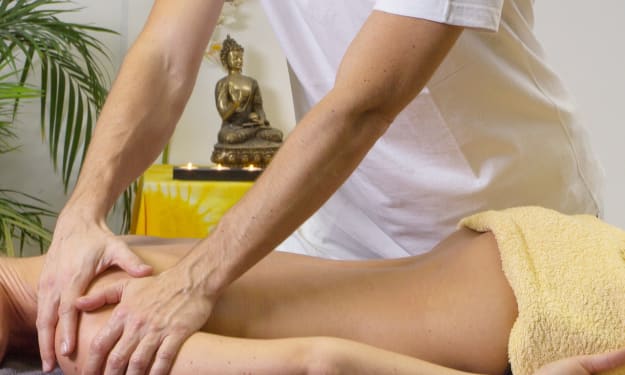
Meditation is an excellent way to care for one's mental, and emotional wellbeing. Coupled with physical self care routines, such as Yoga, Massage Therapy, Stretching, and similar activities one can find they balance they crave at all layers of thier being.
About the Creator
Keep reading
More stories from Reiki Massage Metaphysical Healing Service and writers in Longevity and other communities.
Is Light Touch more Effective than Deep Tissue Massage?
Just as you seek relief from muscular pain, understanding the differences between light touch and deep tissue massage can help you choose the best approach for your needs. While deep tissue massage targets the deeper layers of muscle and connective tissue, light touch focuses on gentle stimulation of the surface muscles and nerves. Each technique offers distinct benefits depending on your condition and sensitivity. This article will guide you through both methods, enabling you to make an informed decision about which massage style aligns best with your path to wellness.
By Reiki Massage Metaphysical Healing Service9 months ago in Longevity
10 DIY Medicinal Herbs (Very Effective)
There's something deeply satisfying about growing your own medicinal herbs. For centuries, our ancestors relied on backyard gardens not just for food, but for natural remedies that supported their health and well-being.
By Edward Smith6 days ago in Longevity



Comments