
Europe Sleep Apnea Devices Market Trends & Summary
A Rapidly Expanding Healthcare Segment Driven by Aging Populations, Technological Advancements & Rising Sleep Disorder Awareness


The Europe Sleep Apnea Devices Market, valued at US$ 1.94 billion in 2024, is on track to reach US$ 3.77 billion by 2033, according to Renub Research. This impressive rise, supported by a CAGR of 7.68% between 2025 and 2033, reflects Europe’s growing need for advanced diagnostic and therapeutic solutions for sleep-related breathing disorders. With obstructive sleep apnea (OSA) affecting tens of millions of Europeans, technological innovation, expanding awareness, and robust healthcare infrastructure are shaping one of the region’s most dynamic med-tech segments.
This article explores the market outlook, growth drivers, segment analysis, and country-level insights, positioning Europe as a global leader in sleep apnea management and device adoption.
Understanding Europe’s Sleep Apnea Devices Market
Sleep apnea devices encompass a broad range of technologies designed to diagnose, monitor, and treat sleep apnea—particularly obstructive sleep apnea, where a narrowed or blocked airway repeatedly interrupts breathing during sleep. These devices include:
Therapeutic devices: CPAP, Auto-CPAP, BiPAP, Adaptive Servo-Ventilation
Diagnostic devices: Polysomnography (PSG), respiratory polygraphs, oximeters, actigraphy tools, and sleep screening devices
In Europe, sleep apnea is increasingly recognized not just as an isolated sleep disorder but as a major public health challenge linked to:
Hypertension
Stroke
Diabetes
Cardiovascular disease
Daytime fatigue and workplace accidents
Driven by lifestyle changes, obesity rates, and an aging demographic, sleep apnea device usage is surging across the continent in hospitals, sleep laboratories, and home settings. CPAP and BiPAP systems remain the dominant therapeutic choices, while advanced diagnostic tools and portable screening solutions continue to expand adoption.
Key Growth Drivers in the Europe Sleep Apnea Devices Market
1. Rising Prevalence of Sleep Apnea Across Europe
Sedentary lifestyles, rising obesity levels, and a rapidly aging population are fueling an alarming surge in sleep apnea cases across Europe. Studies estimate that 175 million adults—around 44% of Europe’s population—may have mild to severe sleep apnea, creating unprecedented demand for diagnostic and therapeutic solutions.
Country-level demographic trends further accelerate this need:
United Kingdom
The UK’s "Future of an Older Population" report notes that by 2040, nearly one in seven residents will be over 75.
Households led by individuals aged 85+ are projected to grow 161% by 2037.
The working-age population between 50 and retirement age will increase significantly, intensifying healthcare demands associated with aging—including sleep apnea management.
France
France’s elderly population is expected to rise from 15 million in 2012 to 24 million by 2060, ensuring long-term expansion for the sleep apnea device market.
The widespread acknowledgment of sleep apnea as a contributor to cardiac events, type 2 diabetes, and neurocognitive decline has prompted more individuals to seek testing and treatment, driving market growth.
2. Technological Advancements Transforming Sleep Apnea Management
Innovation remains at the heart of Europe’s fast-growing sleep apnea devices market. New devices are becoming:
Portable
Battery-efficient
Noise-reduced
Bluetooth-enabled
Equipped with cloud-based adherence monitoring
These next-generation features have significantly improved treatment compliance, long recognized as one of the biggest challenges in CPAP therapy.
A major technological development in late 2024 demonstrates Europe’s commitment to innovation:
🔹 December 2024 – Nyxoah SA launched its battery-free Genio neurostimulator in England, a breakthrough hypoglossal nerve stimulation system for OSA patients, now accessible through the NHS. This marks a major milestone in alternative therapies for CPAP-intolerant patients.
Advances in diagnostic equipment, including simplified home sleep testing kits and AI-powered analysis algorithms, are expanding early detection and enabling personalized therapy.
3. Strong Government Support & Reimbursement Policies
Government-led initiatives play a decisive role in Europe’s sleep apnea devices market expansion. Health systems across Germany, France, the UK, Italy, Spain, and the Nordics support both diagnosis and treatment through:
Public health campaigns
Insurance reimbursement for CPAP/BiPAP devices
Grants for establishing sleep labs
Public investment in telemedicine and remote monitoring
Additionally, the broader EU policy framework encourages technological independence and innovation:
🔹 Open Strategic Autonomy (OSA)—originally focused on defense and energy—is increasingly influencing health-related industries, strengthening Europe’s resilience and infrastructure in medical technology manufacturing and procurement.
This support enhances accessibility and speeds up patient adoption of both therapeutic and diagnostic devices.
Major Challenges in the Europe Sleep Apnea Devices Market
1. High Device Costs Impacting Adoption
Despite strong reimbursement frameworks, the high price of CPAP, BiPAP, and advanced diagnostic tools remains a barrier for many patients—particularly in Eastern Europe and economically weaker regions. Even with subsidies, out-of-pocket expenses deter treatment adherence, and significant cost differences persist between home and hospital-based care.
2. Underdiagnosis and Limited Awareness
Many Europeans still remain undiagnosed, especially in rural and underserved communities. Factors contributing to low detection include:
Limited sleep laboratories
Stigma around sleep disorders
Lack of trained sleep specialists
Minimal awareness of the health risks associated with untreated sleep apnea
This gap presents both a challenge and an opportunity for stakeholders aiming to expand market reach.
Segment Analysis: Europe Sleep Apnea Devices Market
Therapeutic Devices
CPAP Sleep Apnea Devices
The largest and most established segment. CPAP devices maintain continuous airflow to prevent airway collapse during sleep. Advances such as quiet motors, self-adjusting algorithms, and smart connectivity are boosting adoption, particularly in Germany and the UK.
Auto-CPAP Devices
Automatically adjust pressure levels based on real-time breathing patterns, improving comfort and compliance.
BiPAP Sleep Apnea Devices
Designed for patients who struggle with CPAP or those with comorbid respiratory conditions like COPD. Enhanced portability and multi-mode functionality are driving growth.
Adaptive Servo-Ventilation (ASV)
A premium solution targeting complex sleep apnea and central apnea, often used in clinical settings.
Diagnostic Devices
Polysomnography (PSG)
The gold standard for diagnosing OSA. Hospitals and sleep labs continue to invest heavily in modern PSG systems with AI-enabled scoring.
Oximeters
Low-cost, easy-to-use devices widely adopted for home monitoring and initial screening.
Actigraphy & Polygraph Systems
Portable diagnostic solutions that enable real-time monitoring and early detection, especially beneficial for remote areas.
Sleep Apnea Screening Devices
Growing rapidly as awareness increases and home testing becomes mainstream.
End-User Analysis
1. Sleep Laboratories, Clinics & Hospitals
These facilities remain primary centers for accurate diagnosis and device fitting. Public and private investment in sleep centers is boosting this segment.
2. Home Care Settings/Individuals
A rapidly expanding segment driven by portable devices, telehealth, and patient preference for comfortable, at-home treatment.
Country-Level Market Insights
United Kingdom
High awareness, robust reimbursement, and an aging population make the UK one of Europe’s strongest markets. Portable CPAP and AI-driven diagnostic tools are gaining rapid acceptance.
Germany
A technological powerhouse in medical devices, Germany leads in:
Smart sleep apnea device adoption
Remote monitoring capabilities
Hospital-based sleep disorder programs
In December 2024, Eli Lilly received FDA approval for Zepbound® (tirzepatide) for treating OSA with obesity, a development expected to influence European treatment pathways.
France
Strong reimbursement systems and nationwide awareness campaigns deliver consistent growth.
In July 2024, Inspire Medical Systems secured reimbursement approval for its breakthrough OSA therapy, reinforcing France’s commitment to innovative treatment.
Italy
Growing healthcare expenditure and increasing public recognition of sleep health are strengthening demand. Urban centers lead adoption of CPAP/BiPAP, while rural regions remain an expansion opportunity.
In December 2024, the European Medicines Agency expanded Mounjaro’s label to include potential sleep disorder treatment—another step forward in obesity-linked OSA management.
Key Players in the Europe Sleep Apnea Devices Market
Natus Medical Incorporated
ResMed Inc.
Somnomed
Apex Medical Corporation
Koninklijke Philips N.V.
Compumedics
Fisher & Paykel Healthcare
Nyxoah SA
These companies are shaping future developments through product innovation, research investments, and collaborations with European healthcare networks.
Final Thoughts
The Europe Sleep Apnea Devices Market is evolving rapidly as sleep health becomes a central pillar of preventive care. The combination of rising disease burden, aging populations, cutting-edge device innovations, and proactive government support positions Europe as a global leader in sleep apnea management.
However, challenges remain. Underdiagnosis, cost barriers, and limited rural access indicate that the next phase of growth will depend on affordability, awareness, and advanced, user-friendly home-care solutions.
As technology continues to transform how Europeans sleep, breathe, and live, the market’s future looks both promising and impactful—reshaping the continent’s sleep health landscape for years to come.
About the Creator
jaiklin Fanandish
Jaiklin Fanandish, a passionate storyteller with 10 years of experience, crafts engaging narratives that blend creativity, emotion, and imagination to inspire and connect with readers worldwide.
Keep reading
More stories from jaiklin Fanandish and writers in Longevity and other communities.
Australia Colonoscopy Devices Market Size and Forecast (2025–2033)
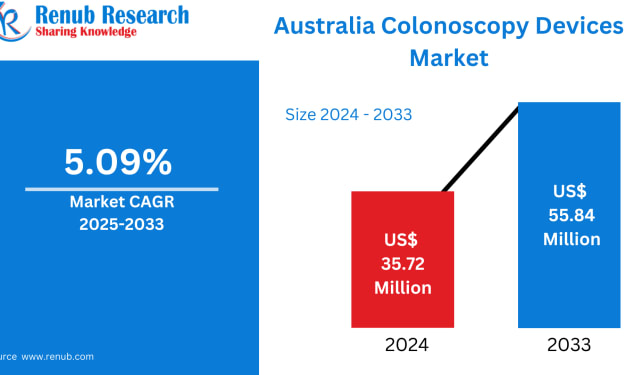
The Australia Colonoscopy Devices Market is on a steady upward trajectory, projected to rise from US$ 35.72 million in 2024 to US$ 55.84 million by 2033, expanding at a CAGR of 5.09% throughout 2025–2033. According to Renub Research, market growth is underpinned by increasing colorectal cancer cases, expanding national screening programs, technological innovations in endoscopy, and a rapidly aging population requiring routine gastrointestinal diagnostics.
By jaiklin Fanandishabout a month ago in Longevity
Day 4 of Quitting
If this is how sobriety feels, maybe it’s better to go through life a little buzzed… this, along with other hits like, I want to kill myself, I wish I was dead, and I’m going to throw myself off a bridge have been the only thoughts on rotation these past few days. I promise myself that if, in a month, I still feel like this (‘this’ meaning despondent, full of rage, and simultaneously numb) I can go back to smoking. Until mid-February though? Nicotine is off the table.
By sleepy drafts7 days ago in Longevity
How I Beat Procrastination
I was a professional procrastinator. Not the cute kind who waits until the last minute and still pulls it off. The destructive kind. The kind who watched opportunities slip away because I couldn't make myself start. The kind who felt shame every single day for all the things I wasn't doing.
By Fazal Hadi4 days ago in Longevity


Comments
There are no comments for this story
Be the first to respond and start the conversation.