
Endometriosis: Causes, Symptoms, Diagnosis & Treatment
What Every Woman Should Know About Endometriosis

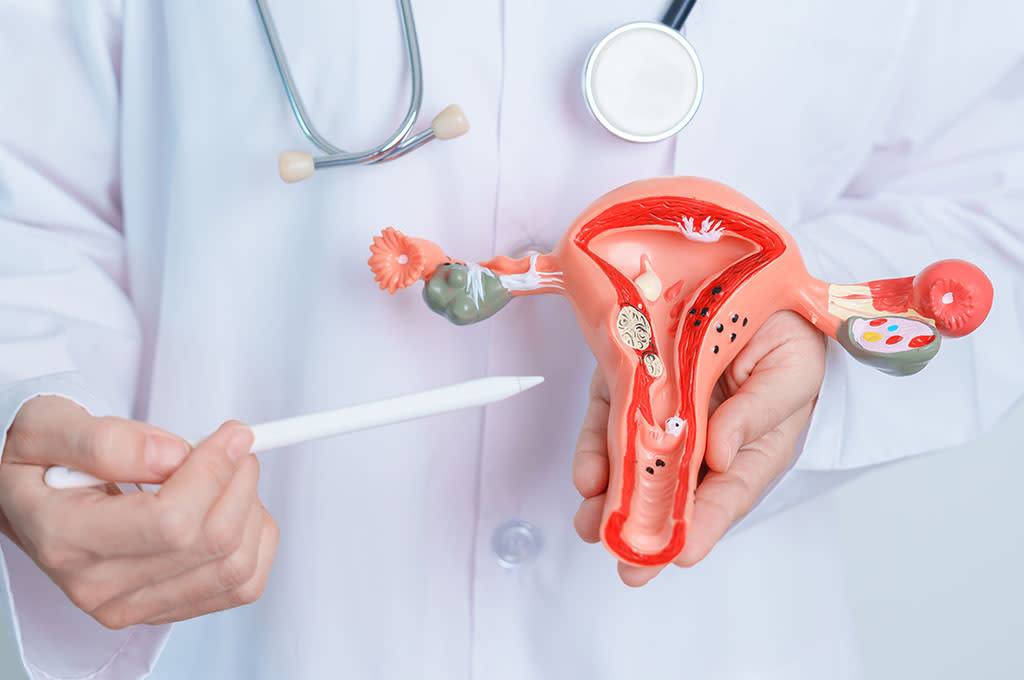
Endometriosis is a painful and often misunderstood medical condition that affects millions of women worldwide. Despite its prevalence, it often goes undiagnosed for years, leaving many to suffer in silence. Whether you’ve been diagnosed, suspect you may have it, or are just seeking to understand it better, this guide will walk you through everything you need to know about endometriosis—from what causes it to how it can be managed.
What Is Endometriosis?
Endometriosis is a chronic condition where tissue similar to the lining of the uterus (endometrium) grows outside the uterus. These tissue deposits can attach to organs like the ovaries, fallopian tubes, bladder, and intestines. Unlike normal endometrial tissue, which exits the body during menstruation, this misplaced tissue has no way to escape, leading to inflammation, pain, and the formation of scar tissue (adhesions).
What Causes Endometriosis?
The exact cause of endometriosis remains unclear, but several theories exist:
- Retrograde menstruation: Menstrual blood flows backward into the pelvic cavity instead of exiting the body.
- Genetics: A family history of endometriosis increases the likelihood of developing it.
- Immune system dysfunction: An impaired immune system may fail to recognize and destroy endometrial-like tissue growing outside the uterus.
- Hormonal imbalance: Estrogen plays a significant role in the growth of endometrial tissue.
- Surgical scar implantation: After procedures like a C-section, endometrial cells may attach to surgical incisions.
While none of these theories fully explain every case, they offer insights into how the condition may develop.
Common Symptoms of Endometriosis
Symptoms of endometriosis vary widely, ranging from mild discomfort to debilitating pain. Common signs include:
- Pelvic pain, especially during menstruation
- Pain during intercourse
- Pain with bowel movements or urination, especially during periods
- Heavy or irregular menstrual bleeding
- Fatigue
- Infertility
- Bloating, nausea, or gastrointestinal issues
Some women with endometriosis have no symptoms at all and only discover the condition during fertility investigations or surgeries.
How Is Endometriosis Diagnosed?
Diagnosing endometriosis can be challenging due to the overlap of symptoms with other conditions like IBS or ovarian cysts. Here’s how it’s typically done:
- Medical history & symptom review: A doctor will ask detailed questions about menstrual cycles, pain, and other symptoms.
- Pelvic exam: May reveal cysts or scarring behind the uterus.
- Imaging tests: Ultrasound or MRI can detect endometriomas (endometriosis-related cysts).
- Laparoscopy: The gold standard for diagnosis. This minimally invasive surgery allows doctors to look inside the abdomen and confirm the presence of endometrial implants.
Treatment Options for Endometriosis
While there is no cure, there are several treatments available to manage endometriosis, tailored to the severity of symptoms and individual goals (like fertility):
1. Medication
- Pain relief: NSAIDs like ibuprofen help manage cramps and inflammation.
- Hormonal therapy: Birth control pills, GnRH agonists, and progestins can slow or stop endometrial growth.
- Aromatase inhibitors: Reduce estrogen production and are sometimes used in severe cases.
2. Surgical Treatment
- Laparoscopic surgery: Removes endometrial growths and scar tissue, often improving pain and fertility.
- Hysterectomy: In extreme cases, the uterus (and sometimes ovaries) may be removed—but this is typically a last resort.
3. Fertility Treatments
If endometriosis affects fertility, assisted reproductive techniques like IVF may be recommended.
4. Lifestyle & Complementary Therapies
- Dietary changes: Reducing red meat and increasing anti-inflammatory foods can help some women.
- Physical therapy: Especially pelvic floor therapy for pain relief.
- Acupuncture & yoga: May reduce pain and improve well-being.
- Stress management: Chronic pain can take a toll—mental health support is crucial.
Can You Get Pregnant with Endometriosis?
Yes—but it may be more difficult. Around 30-50% of women with endometriosis experience infertility. However, many go on to have successful pregnancies with the help of fertility treatments or after laparoscopic surgery. Early diagnosis and management are key.
Living with Endometriosis
Living with endometriosis means learning to manage a long-term condition that can impact your physical, emotional, and social life. Support groups, therapy, and open conversations with healthcare providers can make a huge difference.
It’s also important to advocate for yourself. If you feel your pain is being dismissed, seek a second opinion. You know your body best.
Conclusion
Endometriosis is more than just “bad period pain.” It’s a complex medical condition that can significantly affect quality of life. But with the right treatment, support, and information, it can be managed.
Whether you’re newly diagnosed, seeking relief, or supporting someone with endometriosis, knowledge is power—and you’re not alone.
Frequently Asked Questions (FAQ)
What is endometriosis?
Endometriosis is a medical condition where tissue similar to the uterine lining grows outside the uterus, causing pain, inflammation, and often fertility issues.
What causes endometriosis?
The exact cause of endometriosis is unknown, but likely factors include retrograde menstruation, genetic predisposition, immune system issues, and hormonal imbalances involving estrogen.
What are the symptoms of endometriosis?
Common symptoms of endometriosis include pelvic pain, heavy periods, pain during sex, fatigue, and infertility. Some women may also experience bloating or pain during urination and bowel movements.
How is endometriosis diagnosed?
Endometriosis is diagnosed through symptom review, pelvic exams, imaging tests like ultrasounds or MRIs, and confirmed via laparoscopy, a minor surgical procedure.
Can endometriosis be seen on imaging?
Yes, deeper endometriosis lesions and endometriomas can sometimes be detected through transvaginal ultrasound or MRI, though early-stage disease may be missed.
How is endometriosis treated?
Endometriosis treatment options include pain relievers, hormonal therapy, laparoscopic surgery, and lifestyle changes. In severe cases, fertility treatments or hysterectomy may be considered.
Can you get pregnant with endometriosis?
Yes, but endometriosis can make conception more difficult. Treatments like surgery or IVF can improve fertility outcomes for many women.
Is there a cure for endometriosis?
There is no cure for endometriosis, but symptoms can be managed with medication, surgery, and hormonal treatments. Some women find relief after menopause.
Does endometriosis come back after treatment?
Yes, endometriosis can recur even after treatment. Ongoing management may be needed to control pain and prevent complications.
What is the latest advancement in diagnosing endometriosis?
Recent advances include using transvaginal ultrasound and MRI for non-invasive diagnosis and ongoing research into blood tests for early detection.
About the Creator
Keep reading
More stories from Marveline Merab and writers in Longevity and other communities.
How to Lose Face Fat Naturally (Without Surgery or Extreme Dieting!)
If you’re looking for a slimmer, more defined face but don’t want to go under the knife or follow a restrictive diet, you’re not alone. Many people struggle with excess facial fat, but the good news is that you can naturally achieve a more sculpted look with simple, sustainable lifestyle changes.
By Marveline Merab12 months ago in Longevity
3 Things to Do Before Bed for Better Blood Sugar, According to Dietitians
KEY POINTS To keep your blood sugar from spiking in the morning, what you do the night before matters. Eating a balanced snack, limiting screens and gently moving all support healthy blood sugar. Other ways to help your morning blood sugar include reducing alcohol and managing stress.
By Good health to everyonea day ago in Longevity




Comments
There are no comments for this story
Be the first to respond and start the conversation.