
Effective Ways to Quit Smoking for Good: A Guide
Conquer Your Cravings and Reclaim Your Health

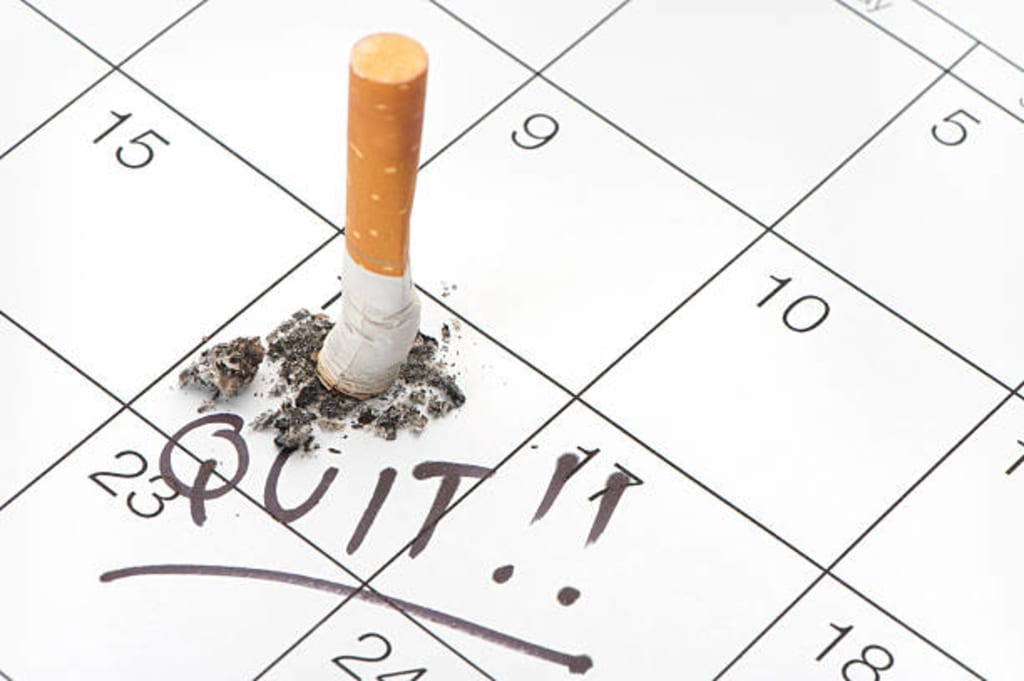
Are you weary of how cigarettes control your life? Do you envision a healthier, smoke-free future? You are not alone. Millions of people deal with nicotine addiction, but quitting is possible. This guide includes practical, concrete ideas to help you quit smoking and embrace a brighter, healthier you.
Understanding Your Smoking Habits
Before we get into quitting strategies, it's critical to understand why you smoke. First, examine physical nicotine addiction. Second, explore your psychological and emotional links to smoking. Do you smoke when you're stressed? Is this a social habit?
Furthermore, it is critical to identify your triggers, which are certain situations, feelings, or locations that cause you to crave cigarettes. Finally, keeping a smoking diary might help you detect and plan for these trends. Understanding your habit is the first step toward overcoming it.
Choosing the Right Quitting Method
There is no one-size-fits-all solution to stopping smoking. What works for one individual may not work for another. Explore many choices and select the approach or combination of ways that best meets your requirements. For example, some people do well with cold turkey, while others benefit from gradual reduction. Furthermore, nicotine replacement therapy (NRT) items like patches, gum, or lozenges can help alleviate withdrawal symptoms. Furthermore, prescription drugs are available to treat cravings and withdrawal symptoms. Finally, consult with your doctor to determine the best technique for you and ensure you have the necessary assistance.
Building a Support System
Quitting smoking is often made easier with help. Do not hesitate to contact friends, relatives, or support groups. In addition, try joining online communities to connect with others who are going through similar experiences. Sharing your problems and triumphs with like-minded individuals can be especially inspiring. Your healthcare professional can also provide vital support and help as you embark on your quitting journey.
Managing Withdrawal Symptoms
Nicotine withdrawal might be difficult, but it is a short phase. As a result, be prepared for typical symptoms such as irritation, anxiety, problems concentrating, and cravings. However, keep in mind that these symptoms will eventually go away. Deep breathing techniques, meditation, and regular physical activity are some strategies that can help manage these symptoms. Additionally, staying hydrated and getting enough sleep are vital. Most essential, remember that desires are natural and do not indicate that you have failed.
Maintaining a Smoke-Free Lifestyle
Quitting smoking is a process, not a goal. As a result, even after you've successfully quit, it's critical to remain cautious and practice healthy habits. For example, avoid triggers, use stress management techniques, and participate in enjoyable activities. Remember the reasons you quit in the first place: your health, family, and overall well-being. In short, being smoke-free involves consistent effort and commitment, but the benefits are enormous.
A brighter and healthier future awaits.
Quitting smoking is one of the most beneficial decisions you can make for your health. It's a long-term investment that will allow you to live a better, more fulfilled life. While the trip may provide hurdles, realize that you are strong and capable of attaining your goal. Accept the process, appreciate your accomplishments, and never give up on your goal of a smoke-free future.
Frequently Asked Questions
Q: How long does it take for nicotine withdrawal symptoms to subside?
A: Withdrawal symptoms usually peak within the first few days and then progressively lessen over several weeks. However, some people may suffer cravings that last for months.
Q: Will I regain weight after quitting smoking?
A: Some people gain weight after quitting, but it is not unavoidable. Maintaining a balanced diet and engaging in regular exercise might help you manage your weight.
Q: What are some methods for overcoming cigarette cravings?
A: Engage in enjoyable activities, perform deep breathing exercises, stay hydrated, and avoid triggers. Remember that desires are only fleeting.
Q: What happens if I relapse?
A: A relapse does not imply failure. View it as a learning experience, figure out what caused the relapse, and recommit to your stopping path. Don't become discouraged.
Q: Where can I receive more help to quit smoking?
A: Your doctor, local support groups, online networks, and national quitlines are all excellent sources of support and information.
About the Creator
10 DIY Medicinal Herbs (Very Effective)
There's something deeply satisfying about growing your own medicinal herbs. For centuries, our ancestors relied on backyard gardens not just for food, but for natural remedies that supported their health and well-being.
By Edward Smitha day ago in Longevity
20 Tested and Proven Longevity Hacks
Many people can avoid certain health problems simply with shifting their choices. They buy the supplements, read the articles, and watch the documentaries about Blue Zones and nod along like they learned something. Then they go back to poor sleeping habits, eating garbage, sitting for ten hours, and wondering why their energy is destroyed by 2pm.
By Destiny S. Harris6 days ago in Longevity




Comments
There are no comments for this story
Be the first to respond and start the conversation.