
Digitally Detoxing
How Unplugging Can Improve Mental Health and Productivity

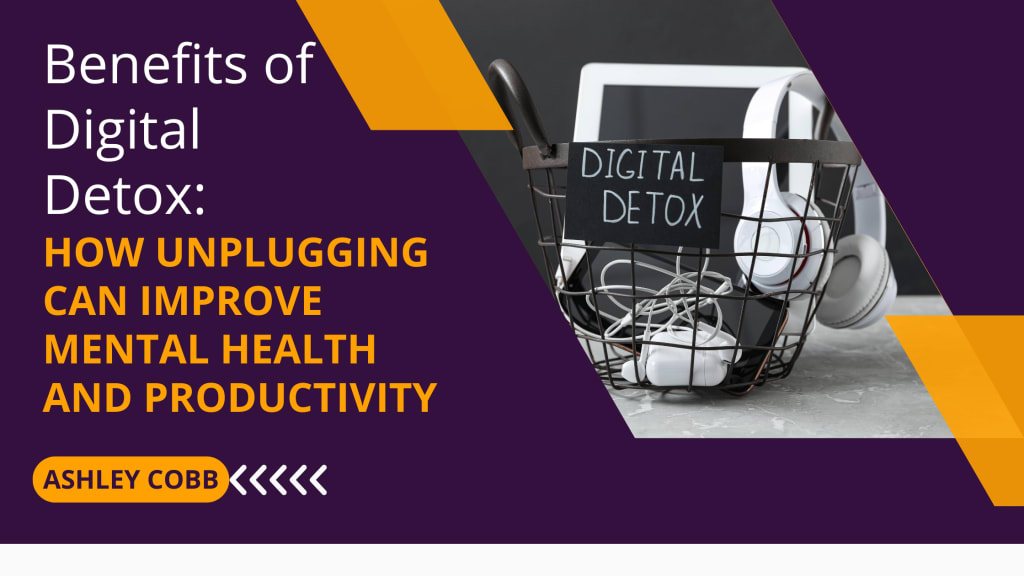
In an era dominated by screens, notifications, and constant connectivity, the idea of stepping away from digital devices can seem almost impossible. However, the growing popularity of the digital detox movement highlights the importance of taking breaks from technology to improve mental health, increase productivity, and restore a sense of balance in daily life. A digital detox—whether for a few hours, a day, or even a week—offers numerous benefits that enhance overall well-being and efficiency.
Reducing Stress and Anxiety
One of the most immediate benefits of a digital detox is the reduction of stress and anxiety. Constant exposure to social media, emails, and online news can lead to information overload and heightened anxiety. The pressure to stay updated, respond quickly, and keep up with digital conversations can be overwhelming. By taking a break from screens, individuals allow their minds to relax and reset, leading to lower stress levels and a greater sense of calm.
Social media, in particular, can contribute to anxiety by fostering unrealistic comparisons. Seeing carefully curated highlights of others’ lives can create a false sense of inadequacy. Disconnecting from social platforms helps individuals focus on their own experiences rather than comparing themselves to others, fostering self-acceptance and a healthier mindset.
Improving Sleep Quality
The use of digital devices, especially before bedtime, has been linked to poor sleep quality. The blue light emitted by screens interferes with the production of melatonin, the hormone responsible for regulating sleep. This disruption can lead to difficulty falling asleep, restless nights, and overall fatigue.
By implementing a digital detox, particularly in the hours leading up to bedtime, individuals can improve their sleep patterns. Replacing screen time with reading a book, meditating, or engaging in a relaxing activity can promote better rest and leave individuals feeling more refreshed and energized.
Enhancing Focus and Productivity
The constant stream of notifications and digital distractions significantly impacts focus and productivity. Whether it’s social media alerts, text messages, or email notifications, each interruption disrupts concentration and reduces efficiency. Studies have shown that multitasking, particularly when switching between digital tasks, decreases cognitive performance and increases the time needed to complete work.
A digital detox allows individuals to reclaim their focus by eliminating unnecessary distractions. Without the temptation of checking notifications, people can engage in deep work, complete tasks more efficiently, and improve overall job performance. Establishing designated screen-free periods during the day can lead to increased concentration and higher-quality output.
Strengthening Personal Relationships
While digital communication keeps people connected, excessive screen time can negatively impact real-life relationships. Many individuals find themselves more engaged with their devices than with the people around them, leading to feelings of disconnection and loneliness.
Taking a digital detox encourages meaningful face-to-face interactions, improving communication and strengthening personal connections. Spending quality time with family, friends, or colleagues without the interruption of screens fosters deeper conversations and enhances relationships. Being fully present in social situations allows individuals to form stronger emotional bonds and feel more connected to their loved ones.
Encouraging Mindfulness and Self-Reflection
A digital detox creates space for mindfulness and self-reflection. Constant digital engagement often prevents individuals from being present in the moment or taking time to assess their thoughts and emotions. Unplugging from screens encourages individuals to engage in activities that promote mindfulness, such as journaling, meditation, or spending time in nature.
This period of self-reflection allows individuals to reassess their digital habits and recognize how technology influences their mental and emotional well-being. Many people find that they feel more balanced, creative, and in control of their time when they step away from digital distractions.
Promoting Physical Activity and Outdoor Engagement
Excessive screen time often leads to a sedentary lifestyle, reducing opportunities for physical activity and outdoor engagement. A digital detox encourages individuals to spend more time being active, whether through exercise, outdoor adventures, or simply taking a walk. Engaging in physical activities not only improves physical health but also boosts mental well-being by reducing stress and increasing energy levels.
Spending time outdoors, away from screens, has been shown to enhance mood, improve cognitive function, and reduce symptoms of anxiety and depression. Whether hiking, biking, or simply enjoying fresh air, unplugging from digital devices allows individuals to reconnect with the physical world.
Creating Healthier Digital Habits
A digital detox is not about eliminating technology altogether but rather about developing a healthier relationship with it. By stepping away from screens, individuals can identify which digital habits serve them positively and which ones may need to be adjusted. This self-awareness allows for the creation of intentional screen time, where technology is used mindfully rather than out of habit or compulsion.
Many individuals who practice digital detoxes establish long-term habits such as setting boundaries for social media use, implementing screen-free zones in the home, and prioritizing offline activities. These changes lead to a more balanced lifestyle that supports both mental health and productivity.
Take Aways
The benefits of a digital detox extend far beyond simply reducing screen time. By stepping away from digital distractions, individuals can lower stress levels, improve sleep, enhance focus, strengthen relationships, and create a more mindful approach to technology use. Whether it’s a short break from screens or a long-term commitment to digital minimalism, unplugging allows for a healthier, more fulfilling life. In a world that is increasingly dependent on technology, taking the time to disconnect is one of the most valuable investments in mental well-being and productivity.
About the Creator
Ashley Cobb
A healthcare leader and DIY lover, Dr. Ashley Cobb judiciously blends her passion for pharmacy, philanthropy, home renovations, and accessible medical care.
Keep reading
More stories from writers in Longevity and other communities.
Day 4 of Quitting
If this is how sobriety feels, maybe it’s better to go through life a little buzzed… this, along with other hits like, I want to kill myself, I wish I was dead, and I’m going to throw myself off a bridge have been the only thoughts on rotation these past few days. I promise myself that if, in a month, I still feel like this (‘this’ meaning despondent, full of rage, and simultaneously numb) I can go back to smoking. Until mid-February though? Nicotine is off the table.
By sleepy drafts11 days ago in Longevity
Etihad Cancels, Delays Flights to Pakistan Amid Poor Weather
Travelers between the United Arab Emirates and Pakistan faced significant disruptions this week as Etihad Airways canceled and delayed multiple flights due to severe weather conditions. The airline, known for its extensive network connecting Abu Dhabi to destinations across the world, cited poor visibility, strong winds, and storm warnings as the primary reasons for the operational setbacks. Passengers reported last-minute cancellations and rescheduling challenges, prompting calls for greater clarity and contingency measures during extreme weather events.
By Fiaz Ahmed Brohia day ago in Longevity
A Dart at Dusk
Seconds ago, the sullen sun set on the two of us… my exuberant furry companion and me. A fresh breeze embraces us, delivering welcome relief from the day’s oppressive heat. His typical stumbling and staggering along — apace with a sloth — has turned into trip-trapping, high-stepping, almost skipping along.
By Angie the Archivist 📚🪶4 days ago in Petlife


Comments
There are no comments for this story
Be the first to respond and start the conversation.