
Digital Loneliness: Why We Feel Alone While Always Online
Why constant connection doesn’t equal real connection—and what we can do to feel human again

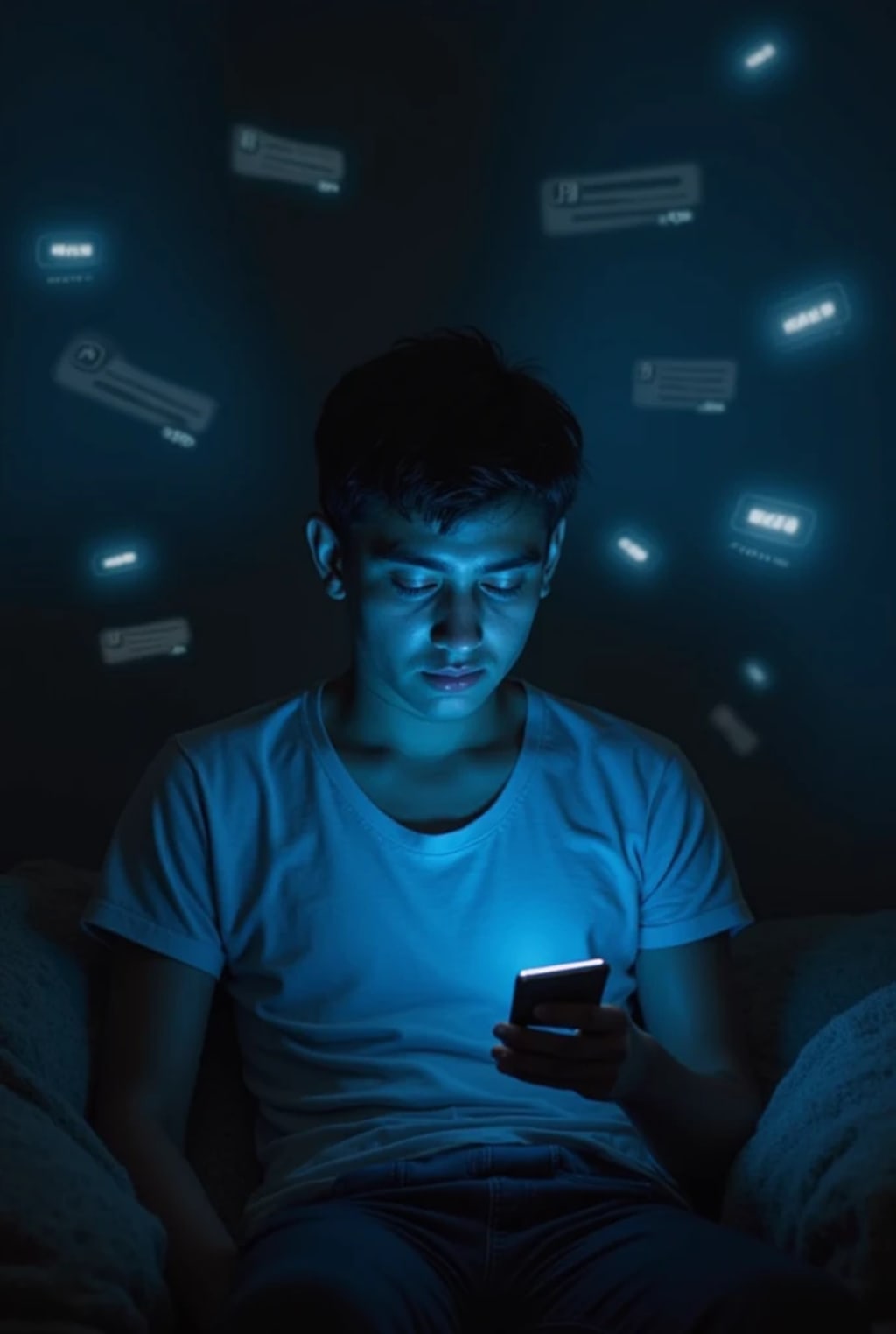
It’s 1 a.m. You’ve scrolled through 200 posts, liked 37 photos, skipped 12 reels, and laughed at a few memes that hit a little too close to home. You’re connected to hundreds of people—maybe thousands—but somehow, you still feel... alone.
Welcome to the age of digital loneliness.
On paper, we’ve never been more connected. We carry entire networks in our pockets. We can text a friend, join a video call, comment on a stranger’s vacation, or live stream our thoughts to the world at any moment. But studies—and personal stories—are revealing a much deeper truth: technology is giving us the illusion of connection, while eroding the foundation of what connection truly means.
It’s not that social media or tech is inherently bad. It’s how we’re using them—and what we’re unintentionally trading away in the process. Face-to-face conversations have been replaced with double taps. Deep chats swapped out for DMs. We’re so used to curating ourselves for attention that vulnerability feels risky, even with people we love.
Take Lily, 27, a graphic designer who spends hours a day on Instagram and Discord. “I’m in five group chats and follow over 900 people,” she says. “But when I have a hard day, I don’t know who to call. I just post something vague on my story and hope someone notices.” Her experience is more common than we’d like to admit.
Digital loneliness isn’t just about a lack of connection—it’s about unmet emotional needs in a world of constant noise. It’s scrolling past people’s highlight reels when you’re struggling in silence. It’s being surrounded by messages and still feeling like no one really sees you.
And it has consequences. Psychologists are seeing rising levels of anxiety, depression, and self-worth issues tied directly to our online habits. When our sense of belonging depends on notifications or follower counts, our emotional stability becomes fragile. We become addicted to digital validation, even as it deepens our sense of isolation.
Ironically, in trying to stay constantly plugged in, we’re draining ourselves. The attention economy thrives on keeping us engaged, not fulfilled. Social platforms reward surface-level interaction, not meaningful connection. And the more time we spend trying to feel seen online, the more disconnected we can feel offline.
But here’s the truth no algorithm wants you to hear: real connection is messy. It’s not always pretty or postable. It lives in late-night conversations, in awkward silences, in showing up for someone when there’s no camera on. And it starts with honesty—with yourself and others.
You don’t need to cut out social media entirely to feel better. But small changes can make a big impact. Start by noticing how you feel after being online. Do certain apps drain you or energize you? Are you scrolling to connect—or to numb? Are your online friendships deepening or just filling space?
Rebuilding real connection doesn’t have to be complicated. Text someone to meet for coffee. Call instead of comment. Create space for quiet, for boredom, for reflection. These are the conditions where authentic relationships grow—not through perfectly crafted posts, but through shared reality.
If you’re feeling digitally lonely, you’re not broken. You’re not weird. You’re simply human in a system that profits off your disconnection. The first step isn’t to delete your apps (though that helps)—it’s to reconnect with what makes you feel alive. Nature. Conversation. Touch. Eye contact. Stillness. Things that no screen can truly replicate.
We often think we need more friends, more likes, more followers. But most of us just need one or two people we can be real with—unedited, unfiltered, unafraid.
And maybe, instead of trying to be seen by everyone, we start by letting just one person really see us.
That might be the most revolutionary thing we can do.
About the Creator
The Healing Hive
The Healing Hive| Wellness Storyteller
I write about real-life wellness-the messy, joyful, human kind. Mental health sustainable habits. Because thriving isn’t about perfection it’s about showing up.
Keep reading
More stories from The Healing Hive and writers in Longevity and other communities.
“The Silent Struggle: How the ‘Strong Man’ Myth Is Harming Men’s Mental Health”
From the time boys can walk and talk, many are handed an invisible rulebook—one that shapes how they speak, act, and most importantly, feel. It’s filled with phrases like “man up,” “don’t be a baby,” and “real men don’t cry.” These seemingly harmless lines become the foundation of the “strong man” myth, a cultural script that tells men to be tough, silent, and emotionally bulletproof. But behind the armor, there’s a crisis unfolding—one that’s costing lives, relationships, and inner peace.
By The Healing Hive10 months ago in Longevity
Why Your Brain Loves Procrastination
Almost everyone has experienced procrastination. You have an assignment due, an important task waiting, or something you promised yourself you would finish today. But instead of starting, you suddenly feel the urge to check your phone, watch videos, clean your room, or do literally anything else.
By Being Inquisitiveabout 21 hours ago in Longevity


Comments
There are no comments for this story
Be the first to respond and start the conversation.