
Common Gynaecologic Problems Every Woman Should Know About
Explore some of the most frequently encountered gynaecologic conditions, their causes, symptoms, and available treatment options.

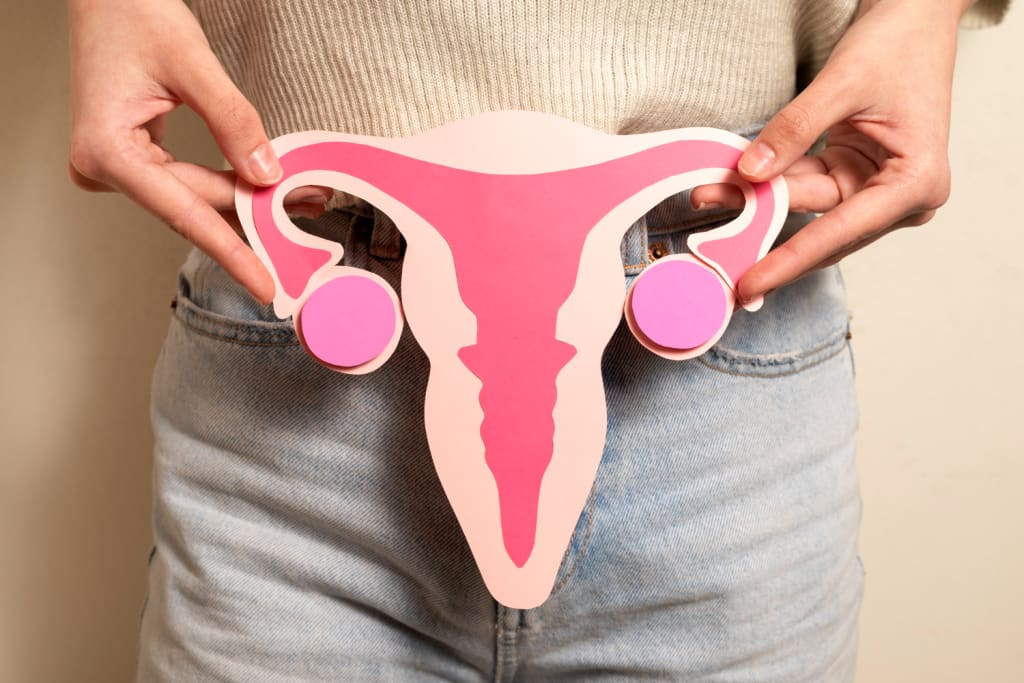
Women’s health is an essential aspect of overall wellbeing, and understanding gynaecologic problems is a vital part of staying healthy throughout life. Many women experience issues related to their reproductive organs at some stage, and while some may be temporary and minor, others can require long-term management or medical intervention. Recognising the most common gynaecologic problems can help women make informed decisions about their health, lifestyle, and when to seek professional support.
In this article, we will explore some of the most frequently encountered gynaecologic conditions, their causes, symptoms, and available treatment options.
1. Menstrual Disorders
One of the most common reasons women consult a gynaecologist is irregular or painful periods. Menstrual disorders can include:
• Dysmenorrhoea (painful periods): Cramping and pelvic pain before or during menstruation caused by uterine contractions.
• Menorrhagia (heavy bleeding): Abnormally heavy or prolonged periods that may interfere with daily life and cause anaemia.
• Amenorrhoea (absence of periods): Missed periods for several months, which can be linked to hormonal issues, pregnancy, or underlying health concerns.
• Irregular cycles: Caused by hormonal imbalances, stress, weight changes, or conditions such as polycystic ovary syndrome (PCOS).
When to seek help: If period pain becomes debilitating, or if cycles are consistently irregular or excessively heavy, professional guidance is essential.
2. Polycystic Ovary Syndrome (PCOS)
PCOS is a hormonal disorder affecting a significant number of women worldwide. It is characterised by irregular ovulation, high levels of androgens (male hormones), and the presence of multiple small cysts in the ovaries.
Symptoms may include:
• Irregular or absent periods
• Excessive hair growth (hirsutism)
• Acne and oily skin
• Weight gain and difficulty losing weight
• Fertility challenges
Management usually involves lifestyle adjustments such as weight management, hormonal treatments like contraceptives, and fertility support if required.
3. Endometriosis
Endometriosis occurs when tissue similar to the lining of the uterus grows outside the womb, often on the ovaries, fallopian tubes, or pelvic lining. This misplaced tissue responds to hormonal changes during the menstrual cycle, leading to pain, scarring, and sometimes fertility issues.
Key symptoms include:
• Severe pelvic pain, especially during menstruation
• Pain during intercourse
• Heavy bleeding
• Bowel or urinary discomfort during periods
• Difficulty conceiving
Treatment options range from pain relief and hormonal therapy to surgery in severe cases.
4. Uterine Fibroids
Fibroids are non-cancerous growths that develop in or around the uterus. They are very common and often discovered during routine pelvic examinations.
Symptoms can include:
• Heavy or prolonged periods
• Pelvic pressure or pain
• Frequent urination
• Backache or leg pain
• Fertility complications in some cases
Treatment varies depending on symptoms and may include medication, minimally invasive procedures, or surgical removal.
5. Vaginal Infections
Infections are among the most frequent gynaecologic concerns. These can include bacterial vaginosis, yeast infections (candidiasis), and sexually transmitted infections (STIs).
Common symptoms include:
• Abnormal discharge (unusual colour, odour, or consistency)
• Itching or irritation
• Burning sensation during urination
• Pain during intercourse
Most vaginal infections are treatable, but it is important to seek medical advice to receive the right diagnosis and treatment, as untreated infections can lead to more serious complications.
6. Pelvic Inflammatory Disease (PID)
PID is an infection of the female reproductive organs, often caused by untreated sexually transmitted infections such as chlamydia or gonorrhoea.
Symptoms may include:
• Pelvic or lower abdominal pain
• Fever and chills
• Unusual discharge
• Pain during intercourse or urination
• Irregular bleeding
Prompt treatment with antibiotics is crucial to prevent long-term complications such as infertility or ectopic pregnancy.
7. Infertility Issues
While many women conceive naturally, some may face difficulties getting pregnant due to various gynaecologic conditions such as PCOS, endometriosis, blocked fallopian tubes, or hormonal imbalances. Lifestyle factors, age, and underlying medical conditions can also contribute.
Modern fertility assessments and treatments offer many options, ranging from lifestyle support to assisted reproductive technologies like IVF. Consulting a gynaecologist early can increase the chances of successful outcomes.
8. Cervical Health Problems
Cervical health is a major focus in women’s health. Issues may include cervical inflammation (cervicitis), cervical polyps, and, in serious cases, cervical cancer.
Regular cervical screening (smear tests) plays a vital role in detecting abnormalities early, when treatment is most effective. Vaccination against human papillomavirus (HPV) also helps reduce the risk of cervical cancer.
9. Urinary Incontinence
Many women experience bladder control issues, especially after childbirth or menopause. Stress incontinence (leakage when coughing, sneezing, or exercising) and urge incontinence (sudden strong urges to urinate) are the most common types.
Treatment may involve pelvic floor exercises, lifestyle changes, medication, or surgical interventions depending on severity.
10. Menopause and Perimenopause Symptoms
Menopause marks the natural end of menstruation, usually occurring between the ages of 45 and 55. Perimenopause, the transitional phase leading up to menopause, can bring several physical and emotional symptoms.
Typical issues include:
• Irregular cycles
• Hot flushes and night sweats
• Vaginal dryness
• Mood changes
• Sleep disturbances
• Reduced bone density
Gynaecologists can provide support through lifestyle advice, hormone replacement therapy (HRT), and other treatments to ease symptoms and improve quality of life.
Why Consulting a Specialist Matters
While many gynaecologic problems may seem common, each woman’s body and health history are unique. Early diagnosis and management can prevent complications and support long-term wellbeing. For women seeking personalised care, consulting a private female gynaecologist in London can provide the reassurance of tailored advice, confidentiality, and access to a wide range of diagnostic and treatment options.
Final Thoughts
Gynaecologic health is a vital component of overall wellness, yet it is often overlooked or delayed until symptoms become severe. From menstrual disorders and infections to long-term conditions like PCOS, endometriosis, or menopause, many issues can significantly impact a woman’s quality of life if left untreated.
By recognising symptoms early, attending routine screenings, and seeking specialist care when needed, women can protect their reproductive health and overall wellbeing. Whether it’s guidance on menstrual concerns, fertility challenges, or preventive screening, expert gynaecologic care ensures women receive the right support at every stage of life.
About the Creator
South Kensington MD
South Kensington Medical & Dental Clinic offers expert private GP, dental, and women's health services in London—all under one roof with same-day appointments and personalised care.
Keep reading
More stories from South Kensington MD and writers in Longevity and other communities.
Female Reproductive System: Functions and Anatomy
The female reproductive system is made up of internal and external organs. It produces hormones and also regulates your fertility, menstruation and sexual activity. Read on further to understand the components of female reproductive system in detail.
By South Kensington MD5 months ago in Longevity
Day 4 of Quitting
If this is how sobriety feels, maybe it’s better to go through life a little buzzed… this, along with other hits like, I want to kill myself, I wish I was dead, and I’m going to throw myself off a bridge have been the only thoughts on rotation these past few days. I promise myself that if, in a month, I still feel like this (‘this’ meaning despondent, full of rage, and simultaneously numb) I can go back to smoking. Until mid-February though? Nicotine is off the table.
By sleepy drafts25 days ago in Longevity
Concierge Medicine Market Size and Forecast 2025–2033
Concierge Medicine Market Outlook: A New Era of Personalized Care The global healthcare system is undergoing a profound transformation as patients increasingly seek care that is not only effective but also personal, accessible, and proactive. In this evolving landscape, concierge medicine has emerged as one of the fastest-growing healthcare models worldwide.
By Sakshi Sharmaa day ago in Longevity




Comments
There are no comments for this story
Be the first to respond and start the conversation.