
Coarse grains are good for health, but is it better to eat more?
Good for health

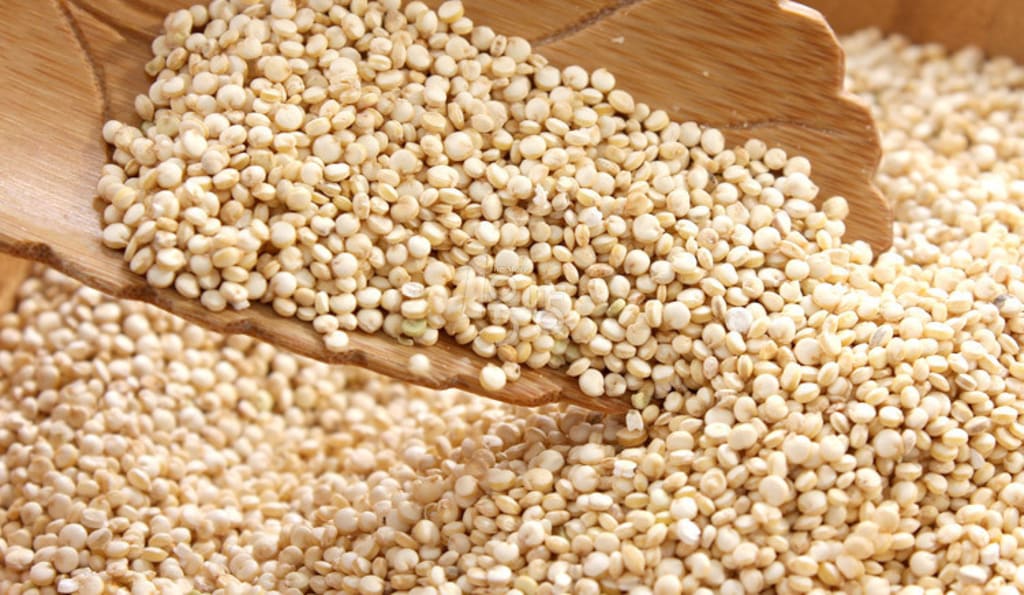
There are many benefits of eating whole grains, but some netizens only eat whole grains in order to lose weight faster. After a month, they will experience abdominal distension and loss of appetite. Why? How to eat whole grains scientifically?
Coarse grains are good for health, but not the more you eat, the better
First of all, we have to understand coarse grains and understand the benefits that coarse grains can bring. The so-called coarse grains are relative to fine grains such as polished rice and white noodles. They mainly include corn, millet, oats, buckwheat and other grains and beans, red beans, mung beans and other beans. Compared with fine grains, coarse grains are richer in vitamin B1 and dietary fiber. Vitamin B1 can promote digestion, increase appetite, and maintain the normal function of the nervous system. Dietary fiber can absorb a lot of water, promote bowel movements, and is beneficial to defecation. Absorb certain harmful substances in the intestinal cavity and excrete them from the body. In addition, the carbohydrate content of whole grains is relatively low, and it is easier to feel full after eating, which can reduce calorie intake. Therefore, whole grains are good for health.
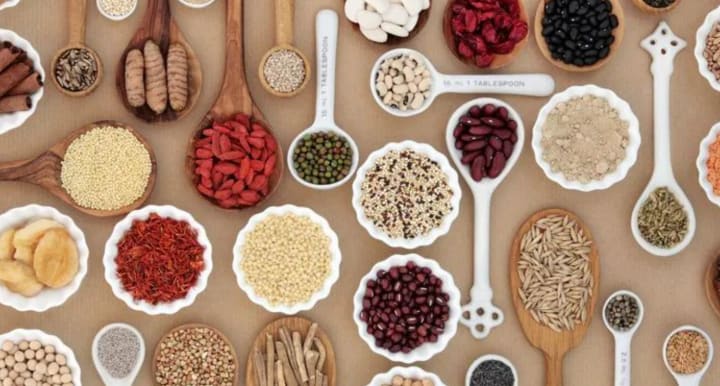
Secondly, although coarse grains are good, they should not be over-eaten, otherwise they will cause harm. Excessive use of coarse grains will delay gastric emptying, causing abdominal distension, early satiety, and indigestion. Excessive dietary fiber hinders the absorption of harmful substances, but also affects the body's absorption of protein, inorganic salts and certain trace elements, resulting in a lack of basic nutrients.
Pay attention to three points when eating whole grains
After understanding the pros and cons of coarse grains, how should we reasonably consume coarse grains?
First of all, control the consumption. It is more appropriate to consume 50 grams of coarse grains per person per day. For special populations, such as children, adolescents, and the elderly, the amount should be appropriately reduced on this basis.
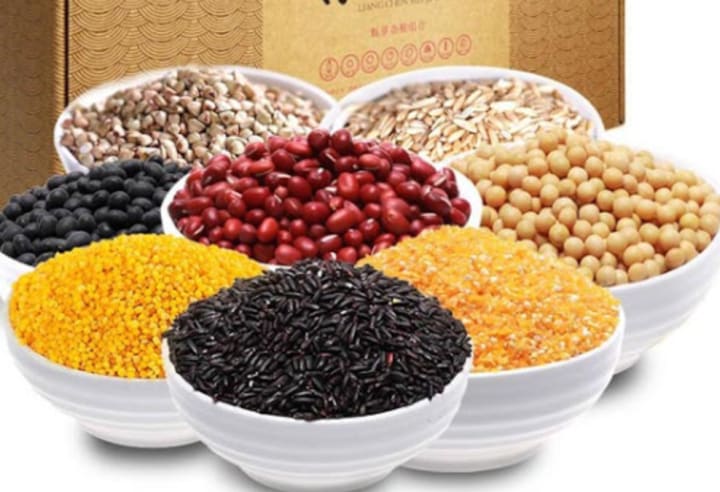
Secondly, eating whole grains should be done step by step and timely replenishment to ensure the normal digestion of dietary fiber.
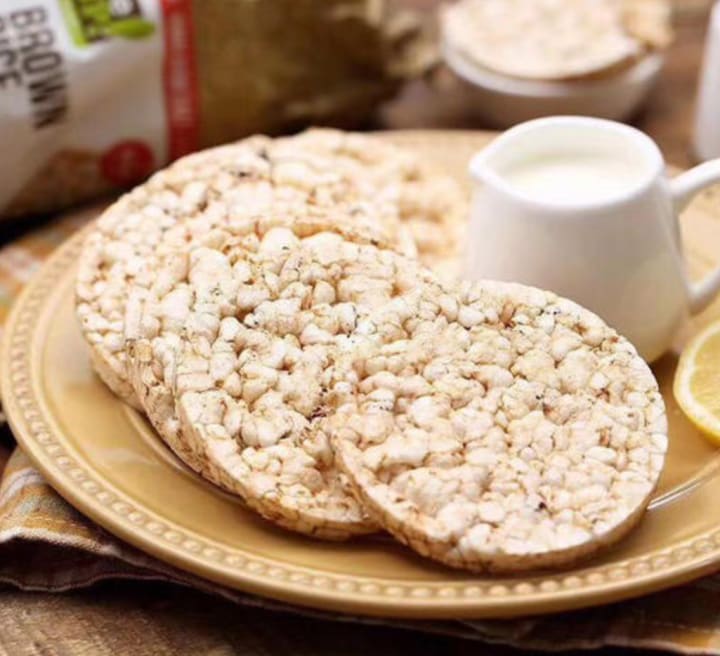
Finally, the cooking method recommends mixing and matching coarse grains and fine grains. Coarse grains are prepared carefully to ensure balanced nutrition.
Tips: Eat grains and drink plenty of water
The saying "eating whole grains to relieve constipation" is deeply rooted in the hearts of the people. However, many people find that constipation is more serious after practicing. One of the reasons may be insufficient water intake.
Cereals are rich in dietary fiber, which can promote intestinal peristalsis, but they need the help of water. Dietary fiber has strong water absorption, which can significantly increase the volume of fecal mass in the intestine, reduce the condition of excessively hard stool, and accelerate its transportation in the intestinal tract, reducing the time for harmful substances in it to contact the intestinal wall. Therefore, if you eat a lot of grains but don't drink enough water, the dietary fiber will not swell up, and the feces will be small, dense, dry and hard, and will be transported more slowly in the intestines. Therefore, you must drink plenty of water while eating miscellaneous grains.
For the elderly, children and people with weak gastrointestinal function, you can choose millet, yellow rice and other easy-to-digest grains, or you can improve the digestion and absorption rate by changing the cooking method, such as cooking the grains and miscellaneous bean porridge to soft and sticky. Coarse grains are ground into powder, soymilk is used to make five-grain soymilk or whole-grain rice paste. In addition, it is best to soak the miscellaneous grains in advance before cooking, so that after processing, the cooked miscellaneous grains have a better taste, easier to digest and absorb, and also shorten the cooking time.
About the Creator
Keep reading
More stories from writers in Longevity and other communities.
Day 4 of Quitting
If this is how sobriety feels, maybe it’s better to go through life a little buzzed… this, along with other hits like, I want to kill myself, I wish I was dead, and I’m going to throw myself off a bridge have been the only thoughts on rotation these past few days. I promise myself that if, in a month, I still feel like this (‘this’ meaning despondent, full of rage, and simultaneously numb) I can go back to smoking. Until mid-February though? Nicotine is off the table.
By sleepy drafts23 days ago in Longevity




Comments
There are no comments for this story
Be the first to respond and start the conversation.