
Childhood Trauma and the Brain | UK Trauma Council
Childhood Trauma

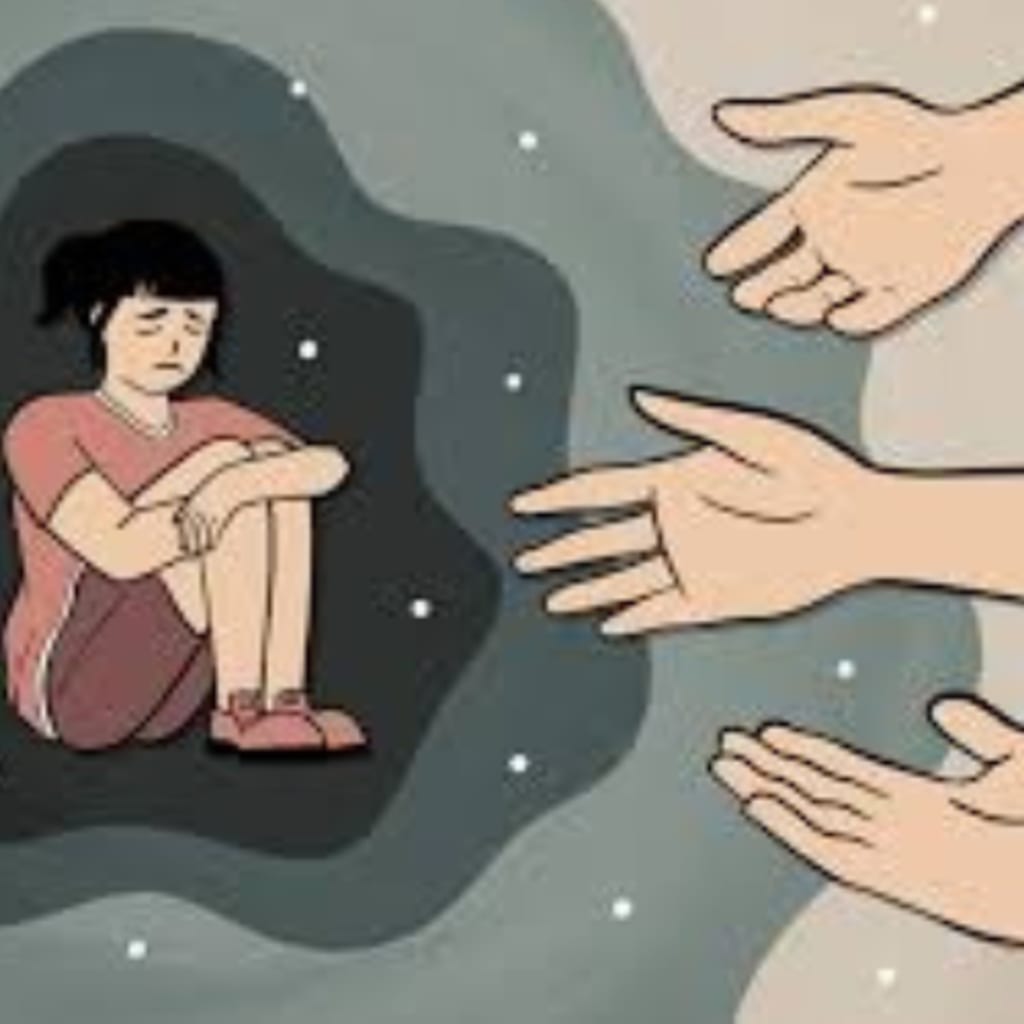
Brain development is much more than a story about biology. From the earliest years, relationships with others play a key role in shaping how our brain grows and develops. Early relationships where there is abuse and neglect have a long-term impact on children. A brain that has adapted to survive in a threatening or unpredictable world may not work so well in an ordinary environment.
This can create what is called latent vulnerability, where early abusive or neglectful experiences with carers put children at greater risk of experiencing mental health problems in the future. For these children, compared to their peers, common experiences like moving to a new school can feel more daunting and stressful. New faces can appear threatening while positive social cues can be missed.
It can be harder to negotiate new social situations and learn to trust new people. Even fun experiences like joining a new sports team can be challenging. Too much focus on potential threat cues can mean missing out on positive social cues, such as a playful nudge, or it causes an overreaction, which leads to an increased risk of conflict and sometimes violence.
These reactions can increase the likelihood of generating new stressful events. It's harder to deal with everyday challenges when you feel unconfident and anxious inside, and harder to build and maintain relationships. Over time, this can mean a child loses friends and the support of adults, and so misses out on opportunities to grow and develop. This social thinning can increase the risk of mental health problems in the future.
Neuroscience research is beginning to shed new light on how vulnerability unfolds over a child's life. All children need care and stimulation from adults who value them and who show them attention and love. These experiences shape a child's brain development. When children face traumatic experiences like abuse and neglect, their brain adapts to help them cope. We know of changes in three different brain systems: the reward, memory, and threat systems.
Experiences of domestic violence or physical abuse can lead to hypervigilance, where the brain reacts more to threat. This might help a child stay safe in an early adverse environment, but it can cause problems in more ordinary environments. Hypervigilance can best be understood as a pattern of adaptation rather than a sign of damage.
Abuse and neglect can also mean a world where a child's basic needs for care and attention are not met. This can shape the brain's reward system, the part of the brain that helps us learn about positive aspects of our environment and motivates our behavior. Over time, the brain's reward system can learn to respond differently to things like positive social cues. Neuroscience studies have also pointed to changes in the autobiographical memory system, our memory of everyday past experiences. Following trauma, negative memories appear to become more salient, which means they become more prominent than positive ones, and everyday memories can also become less detailed.
This is a problem because we need to draw on past experiences to help us deal with new social situations. Neuroscience research is showing how childhood trauma can create latent vulnerability, increasing the risk of later mental health problems like anxiety and depression. This vulnerability is not just located in the child but arises through their relationships.
Helping children who have experienced trauma still requires ordinary boundaries and consequences, but it also requires us to step back, reflect, and see behavior that we find challenging in a different light. A child may simply be doing their best to survive now with brain adaptations from the past. We know a child's brain has the capacity to continue to adapt. For this to happen, they need our help to build and maintain trusted relationships, manage everyday stresses, and prevent new ones from happening. We need to encourage them to try again and believe things can be different. This is far from an easy task and takes time.
Science is helping reframe our understanding of childhood trauma. Seeing children's behavior in a new light can mean we respond differently, but there is much still to learn. Working together, we can develop more effective approaches that promote resilience and recovery. We can help children build trusting relationships and create opportunities for their brains to adapt in new ways.
**Conclusion**
Understanding the impact of early relationships on brain development is crucial for supporting children who have experienced trauma. By recognizing the adaptations that their brains have made and providing a nurturing environment, we can help these children build resilience and foster positive growth. As science continues to uncover the complexities of brain development, our approaches to care and support must evolve to ensure every child has the opportunity to thrive.
About the Creator
Imsatisfyingwith
Passionate writer on Vocal Media, exploring diverse topics from lifestyle and personal growth to the latest trends in fashion and technology. With a knack for storytelling and a commitment to engaging content.
Keep reading
More stories from Imsatisfyingwith and writers in Longevity and other communities.
How Depression Affects The Brain - Yale Medicine Explains
The current standard of care for the treatment of depression is based on what we call the monoamine deficiency hypothesis, essentially presuming that one of three neurotransmitters in the brain is deficient or underactive. Neurotransmitters can be thought of as the chemical messengers within the brain. They help one cell in the brain communicate with another to pass that message along.
By Imsatisfyingwith2 years ago in Longevity
Calling vs Income
There is a tension that never quite goes away once it has been seen clearly, and it sits at the intersection of calling and survival. Some forms of work feel unquestionably meaningful, even necessary, yet remain economically fragile or entirely unsupported. Other forms of work provide stability, predictability, and income, while feeling hollow or misaligned with who a person actually is. Once this divide becomes visible, it is difficult to unsee, and even harder to navigate honestly without resentment creeping in.
By Peter Thwing - Host of the FST Podcast6 days ago in Longevity
Why Our Minds Overthink at Night
Have you ever noticed how your mind suddenly becomes extremely active at night? You lie down to sleep, but instead of resting, your brain starts replaying conversations, worrying about the future, or analyzing things that happened earlier in the day.
By Being Inquisitive3 days ago in Longevity



Comments
There are no comments for this story
Be the first to respond and start the conversation.