
"ChatGPT Saved My Baby and Me": The Night AI Became a Lifesaver
A pregnant mother’s quiet night took a terrifying turn—and it was artificial intelligence that pointed her toward a decision that saved two lives.
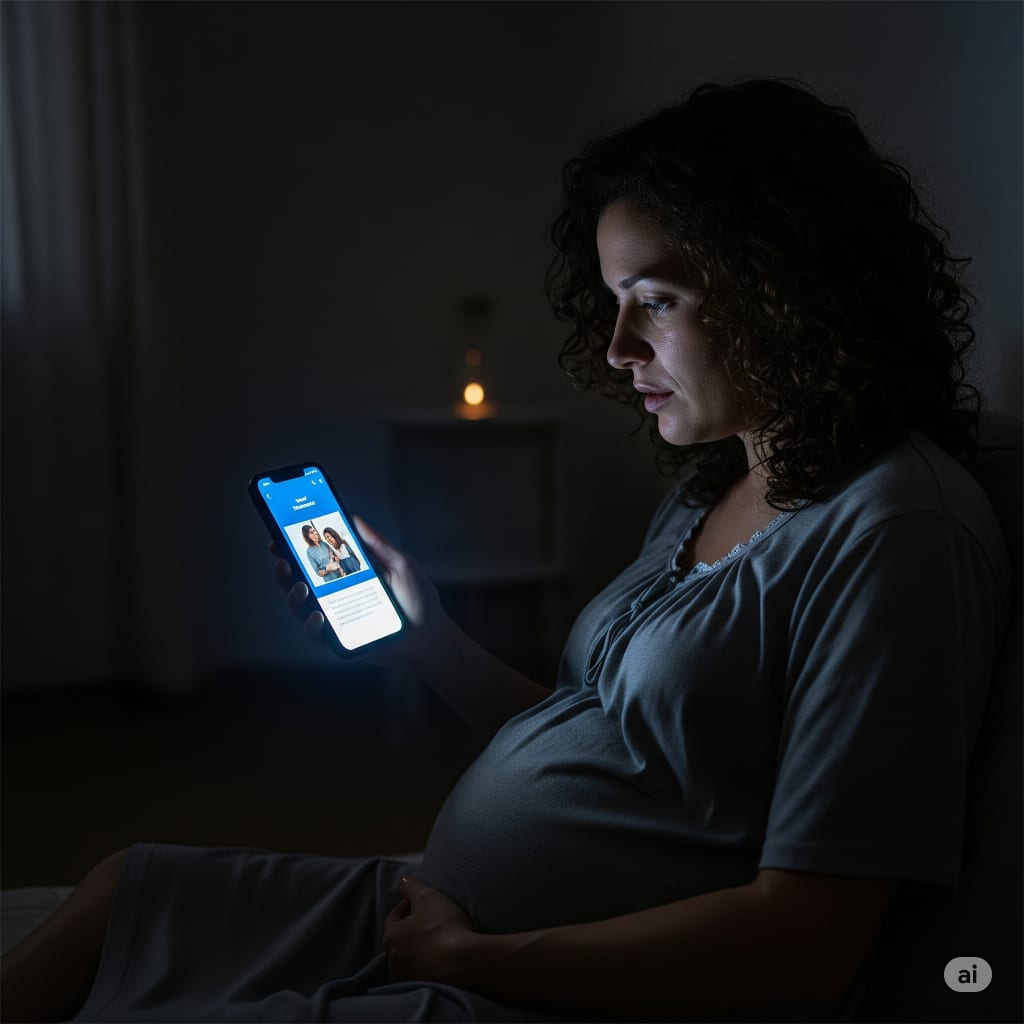
The Unexpected Hero in the Room Wasn't Human
On what seemed like a peaceful spring evening in Charlotte, North Carolina, 29-year-old Natallia Tarrien sat at home, rubbing her jaw. She was in her eighth month of pregnancy, and though nothing felt particularly alarming, she couldn’t shake the strange pressure along her jawline. It wasn’t painful—just… tight. Odd.
Her baby’s due date was drawing near, and every twinge or tickle triggered a flare of maternal instinct. But this was different. Was it stress? Swelling? A sign of labor? With no obvious answers, and her husband already asleep, she did what many modern women do: she opened her phone.
Instead of Googling her symptoms and falling into a spiral of terrifying self-diagnosis, she opened ChatGPT. The AI chatbot had been making headlines for everything from writing resumes to helping students with homework. But Natallia didn’t need a recipe or a poem—she needed reassurance. Or a warning.
What happened next would not only shock her—it would save her life, and the life of her unborn daughter.
---
The Chat That Changed Everything
"Why does my jaw feel tight during late pregnancy?" she typed.
The chatbot responded thoughtfully, considering possibilities from muscle tension to TMJ disorder. But it also included a lesser-known, serious warning: “Jaw tightness can sometimes be a symptom of high blood pressure. It’s recommended to check your blood pressure as soon as possible, especially during late pregnancy.”
Natallia blinked. She didn’t expect that. Blood pressure? She had never been diagnosed with hypertension, and her pregnancy had been relatively smooth. Still… something about the reply stirred a sense of urgency.
She got up, pulled out a home blood pressure cuff, and wrapped it around her arm.
200/146.
She stared at the numbers, stunned. That couldn’t be right. She tried again. Still dangerously high.
She returned to the AI chat, typing in her reading.
ChatGPT’s reply was chillingly clear:
“You may be experiencing severe preeclampsia. Seek emergency medical care immediately.”
---
From Quiet Night to Emergency Lights
Within minutes, Natallia was in an ambulance racing toward the nearest hospital. As paramedics monitored her vitals, the gravity of the situation began to settle in. Her head throbbed. Her chest felt tight. Her baby, she realized, was in danger—and so was she.
Doctors at the hospital confirmed the AI’s suspicion. Natallia had developed severe preeclampsia, a condition that causes high blood pressure and can lead to seizures, organ failure, or even death for both mother and child if not treated immediately.
They didn’t wait. She was rushed into surgery for an emergency cesarean delivery.
Her daughter, tiny but healthy, let out her first cry in the middle of the night.
Later, one of the doctors told her gravely:
“If you had gone to sleep that night, you may not have woken up.”
---
“Thank You, ChatGPT.”
Still recovering, Natallia took to Instagram a few days later to share her story. Her message was simple, raw, and powerful:
> “ChatGPT saved my life and my daughter’s. I am forever grateful.”
Her story spread like wildfire, viewed millions of times across social media, news outlets, and podcasts. People were stunned—not just by how close she came to tragedy, but by the unexpected role of artificial intelligence in such a deeply human moment.
---
A Double-Edged Future?
Natallia’s story has sparked wide discussion about the evolving role of AI in healthcare. On one hand, it highlights the life-saving potential of AI tools when used thoughtfully and responsibly. ChatGPT didn’t diagnose her. It didn’t make medical decisions. But it nudged her—gently but urgently—toward action. It recognized a red flag where she hadn’t.
Experts, however, caution against overreliance.
“AI is a powerful tool, but it should never replace a doctor,” said Dr. Elaine Chen, an OB-GYN who reviewed the case. “What it did right was recognize a dangerous symptom and encourage further action. But it’s only helpful because Natallia followed up with real medical professionals.”
Natallia agrees. “I don’t think of it as replacing doctors. I think of it as another voice in the room—one that happened to speak up when no one else could.”
---
A Baby Girl, a New Beginning
Today, Natallia is home with her baby—healthy, healing, and hopeful. She often reflects on that strange moment of hesitation, that sudden decision to ask an AI for help. In a world where technology can feel cold or impersonal, she found a spark of life-saving wisdom in a chatbot.
She still keeps the blood pressure cuff nearby. And when she looks into her daughter’s eyes, she thinks about how fragile life is—and how sometimes, the right information, delivered at the right moment, can be the difference between tragedy and a miracle.
And yes, sometimes… that information comes from a machine.
---
“In that quiet moment, it wasn’t a doctor or nurse beside me. It was ChatGPT. And it saved us both.”
---
About the Creator
Day 4 of Quitting
If this is how sobriety feels, maybe it’s better to go through life a little buzzed… this, along with other hits like, I want to kill myself, I wish I was dead, and I’m going to throw myself off a bridge have been the only thoughts on rotation these past few days. I promise myself that if, in a month, I still feel like this (‘this’ meaning despondent, full of rage, and simultaneously numb) I can go back to smoking. Until mid-February though? Nicotine is off the table.
By sleepy drafts13 days ago in Longevity
Baby Monitor Market Trends & Summary: How Smart Parenting Tech Is Shaping the Future of Child Safety
Introduction: A New Era of Digital Parenting Parenting in the modern world looks very different from what it did even a decade ago. As more parents balance demanding careers with family life, technology has stepped in as a silent partner—helping caregivers stay connected, informed, and reassured. Among the most trusted of these innovations is the baby monitor, a device that has evolved from simple audio tools into intelligent, AI-powered guardians.
By Marthan Sirabout 8 hours ago in Longevity



Comments
There are no comments for this story
Be the first to respond and start the conversation.