
Causes of Arthritis and how to treat it
Understanding the Causes of Arthritis and Effective Treatment Approaches

Causes of Arthritis and how to treat it
Understanding the Causes of Arthritis and Effective Treatment Approaches
Arthritis is a common and debilitating condition that affects millions of people worldwide. It is characterized by joint inflammation, pain, stiffness, and reduced mobility. Understanding the causes of arthritis is essential for proper diagnosis and effective treatment. In this article, we will explore the different types of arthritis, their underlying causes, and discuss various treatment approaches to manage the symptoms and improve the quality of life for individuals with arthritis.
I. Types and Classification of Arthritis
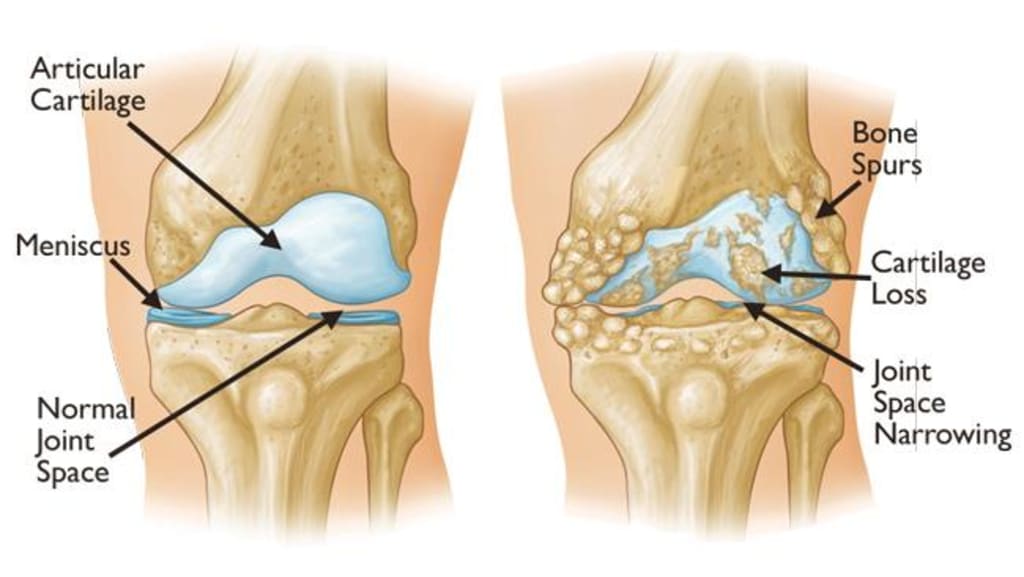
A. Osteoarthritis: Degenerative joint disease caused by wear and tear of the joint cartilage.
B. Rheumatoid Arthritis: An autoimmune disease that causes inflammation and damage to the joints.
C. Gout: A form of arthritis characterized by the accumulation of uric acid crystals in the joints.
D. Psoriatic Arthritis: An inflammatory arthritis associated with psoriasis.
E. Infectious Arthritis: Joint infection caused by bacteria, viruses, or fungi.
II. Causes of Arthritis
A. Genetic Factors: Certain genes can predispose individuals to develop arthritis.
B. Age and Wear and Tear: Osteoarthritis is commonly associated with aging and repetitive stress on the joints.
C. Autoimmune Dysfunction: Rheumatoid arthritis and other autoimmune diseases occur when the immune system mistakenly attacks the joints.
D. Metabolic Factors: Gout is often caused by an overproduction or underexcretion of uric acid.
E. Infections: Bacterial, viral, or fungal infections can lead to infectious arthritis.
F. Lifestyle Factors: Obesity, sedentary lifestyle, and poor nutrition can contribute to the development or progression of arthritis.
III. Treatment Approaches for Arthritis
A. Medications
Nonsteroidal Anti-Inflammatory Drugs (NSAIDs): Provide pain relief and reduce inflammation.
Disease-Modifying Antirheumatic Drugs (DMARDs): Used to treat autoimmune forms of arthritis.
Corticosteroids: Provide short-term pain relief and reduce inflammation.
Analgesics: Over-the-counter pain medications to alleviate symptoms.
B. Lifestyle Modifications
Exercise and Physical Therapy: Strengthen muscles, improve joint flexibility, and reduce pain.
Weight Management: Maintaining a healthy weight reduces stress on the joints.
Balanced Diet: Incorporating anti-inflammatory foods and avoiding triggers like excessive sugar and processed foods.
Hot and Cold Therapies: Applying heat or cold to affected joints can provide temporary relief.
C. Assistive Devices and Supports
Braces and Splints: Provide support and stability to affected joints.
Orthotic Inserts: Help correct joint alignment and reduce pain.
Canes, Crutches, or Walkers: Aid in mobility and reduce pressure on affected joints.
D. Alternative and Complementary Therapies
Acupuncture: Stimulates specific points in the body to alleviate pain and reduce inflammation.
Massage Therapy: Relieves muscle tension and promotes relaxation.
Herbal Supplements: Some herbal remedies, such as turmeric and ginger, have anti-inflammatory properties.
Mind-Body Techniques: Yoga, meditation, and tai chi can help manage pain and improve overall well-being.
E. Surgical Interventions
Joint Replacement: In severe cases, joint replacement surgery can alleviate pain and restore mobility.
Arthroscopy: Minimally invasive procedure to repair damaged joints.
Arthritis is a complex condition with various causes and treatment options. By understanding the specific type of arthritis and its underlying causes, individuals can work with healthcare professionals to develop a personalized treatment plan. A combination of medication, lifestyle modifications, assistive devices, alternative therapies, and, in some cases, surgical interventions can effectively manage arthritis symptoms and improve quality of life. It is essential to consult with a healthcare provider to determine the most suitable treatment approach based on individual needs and preferences.
Arthritis is a condition characterized by joint inflammation and pain, and it has various causes. The two most common types are osteoarthritis and rheumatoid arthritis. Osteoarthritis typically develops due to the wear and tear on joints over time, while rheumatoid arthritis is an autoimmune disorder where the immune system attacks the joints. Other factors contributing to arthritis include genetics, age, obesity, joint injuries, and infections.
Although there is no cure for arthritis, several treatment approaches aim to manage its symptoms and improve quality of life. Medications like nonsteroidal anti-inflammatory drugs (NSAIDs) and corticosteroids are commonly used to reduce pain and inflammation. Physical therapy can help strengthen muscles, improve joint flexibility, and relieve stiffness. Lifestyle modifications, such as regular exercise to maintain joint mobility and a healthy weight, can be beneficial. Assistive devices like braces and splints can provide support to affected joints. In some cases, surgical interventions like joint replacement may be necessary to alleviate severe pain and restore functionality.
It's important for individuals with arthritis to work closely with healthcare professionals to develop a personalized treatment plan that addresses their specific needs and maximizes their well-being.
About the Creator
Bridget Dyke
As a passionate writer of fiction and general articles, I invite you to embark on an extraordinary literary journey with me. With immersive stories and thought-provoking articles that will captivate your mind and touch your soul.
Keep reading
More stories from Bridget Dyke and writers in Longevity and other communities.
10 Warning Signs That You Are Consuming Excessive Sugar
10 Warning Signs That You Are Consuming Excessive Sugar Recognizing the Red Flags Sugar has become an integral part of our modern diet, but excessive consumption can have detrimental effects on our health. Unfortunately, it can be challenging to recognize when we are consuming too much sugar, as it is often hidden in processed foods and beverages. In this article, we will explore ten warning signs that can help you identify if you are consuming excessive amounts of sugar. By being aware of these indicators, you can make informed choices and take steps towards reducing your sugar intake, promoting a healthier and more balanced lifestyle.
By Bridget Dyke3 years ago in Longevity
Day 4 of Quitting
If this is how sobriety feels, maybe it’s better to go through life a little buzzed… this, along with other hits like, I want to kill myself, I wish I was dead, and I’m going to throw myself off a bridge have been the only thoughts on rotation these past few days. I promise myself that if, in a month, I still feel like this (‘this’ meaning despondent, full of rage, and simultaneously numb) I can go back to smoking. Until mid-February though? Nicotine is off the table.
By sleepy drafts13 days ago in Longevity
So You Decided To Become a Nurse Practitioner:
So you decided to become an "Advanced Practice" nurse. Congratulations!... is what I would say if this was a good idea. Grad school? In this economy? What were you thinking? Likely it was something along the lines of either 1) “I've seen these other chucklefucks do it— Why can't I?” or even 2) “I've got a nice career, I should shake it up. I miss feeling like I have no clue what I'm doing.”
By Sandor Szabo3 days ago in Fiction




Comments
There are no comments for this story
Be the first to respond and start the conversation.