
Caring for Crowns and Bridges to Make Them Last
Essential Tips for Protecting Your Restorations and Your Smile

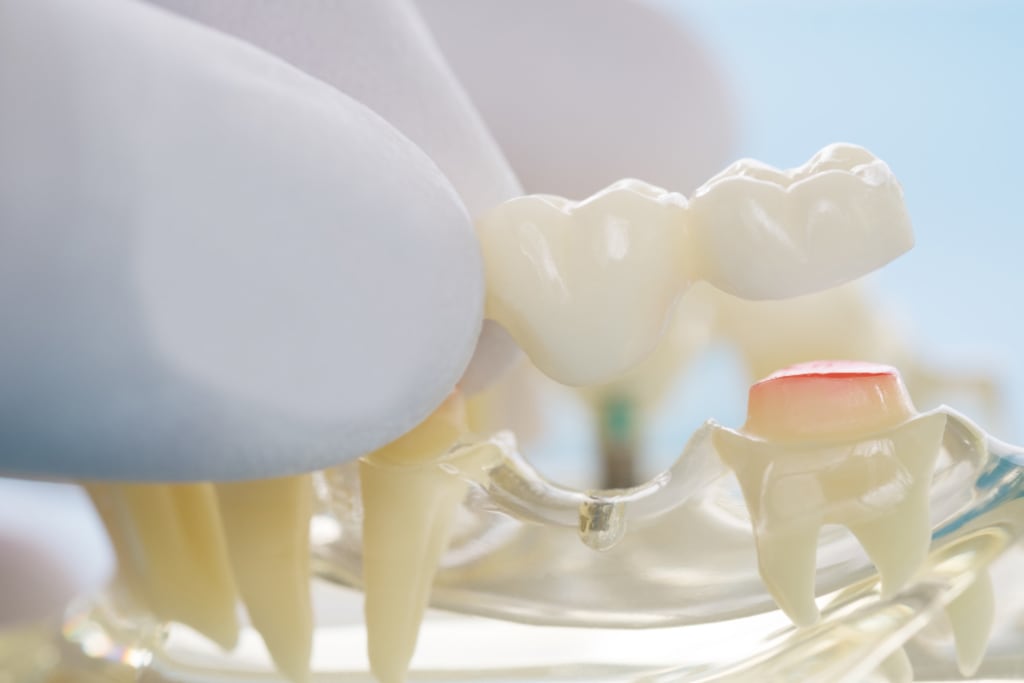
Dental crowns and bridges are investments in your smile. They restore function, enhance appearance, and protect your teeth from further damage.
But like any investment, they require proper care to ensure they last for many years. With the right approach, your restorations can remain strong, functional, and beautiful for a decade or more.
Understanding Crowns and Bridges
Before we get into care tips, it’s essential to understand what these restorations are:
- Crowns: Tooth-shaped caps placed over damaged or weakened teeth to restore shape, size, strength, and appearance.
- Bridges: There were prosthetic devices that replaced one or multiple missing teeth by anchoring on the adjacent teeth.
Dental crowns and bridges are meant to be long-lasting, but it all depends quite a bit on your oral health, good habits, and lifestyle.
Daily Care for Long-Lasting Restorations
1. Brush Twice a Day
Brush your teeth and restorations with a soft-bristle toothbrush and fluoride toothpaste. Focus more on the gumline to prevent plaque from accumulating.
2. Floss Carefully
When cleaning the area around the supporting teeth and beneath the pontic (the artificial tooth) of a bridge, use a super floss or floss threader. Flossing cleans out leftover plaque and food that may cause decay and gum disease.
3. Rinse with Antibacterial Mouthwash
Rinsing helps reduce bacteria and freshen your breath while protecting your gums and teeth around the restoration.
4. Avoid Using Teeth as Tools
Opening bottles, tearing packaging, or biting hard objects can damage crowns and bridges. Use scissors or other tools instead.
5. Be Mindful of What You Eat
While crowns and bridges are strong, they’re not indestructible. Avoid sticky foods, e.g., caramel and hard foods, e.g., ice or hard candy, that can crack or loosen your restoration.
Professional Care and Maintenance
Routine dental examinations are essential to maintaining your crowns and bridges in good condition. During these visits, your dentist will:
- Check the integrity of your restoration
- Clean areas you can’t reach at home
- Identify early signs of wear, decay, or gum disease
Most dentists recommend check-ups every six months, but your schedule may vary based on your oral health needs.
What to Watch Out For
Problems may occur even under the most careful attention. Contact your dentist promptly if you notice:
- A loose or wobbly crown or bridge
- Pain or sensitivity around the restored tooth
- Cracks, chips, or visible wear
- Swelling, redness, or bleeding gums near the restoration
With early intervention, the minor problems are avoided before they escalate into major issues.
Lifespan of Crowns and Bridges
Dental crowns usually have a lifespan of 10 to 15 years, with bridges ranging between 5 years and 15 years or more. However, with exceptional care, both can last even longer. Factors that influence longevity include:
- Oral hygiene habits
- Diet
- Regular dental care
- Avoiding teeth grinding (or using a night guard if needed)
Caring for Your Overall Oral Health
Healthy gums and supporting teeth are the foundation of any restoration. By taking care of your entire mouth, you’re also protecting your crowns and bridges. This means:
- Brushing and flossing consistently
- Staying hydrated
- Having a balanced diet with lots of vitamins and minerals
- Avoiding tobacco products
Final Thoughts
Crowns and bridges are not merely dental work; they are your smile, a part of your everyday life. Through regular care and maintenance, you can prolong their lives, preserve their delicacy, and safeguard your overall oral health.
If you’re seeking high-quality dental crowns and bridges in Wodonga, our team is ready to provide professional care and guidance to keep your restorations in top condition. Schedule your appointment today and take the first step toward long-lasting results.
About the Creator
Prime Care Dental Wodonga
Prime Care Dental provides advanced dentistry in a comfortable and relaxed environment to patients residing in the Wodonga area. Contact (02) 6024 1516 or visit us at 340 Beechworth Road in Wodonga.
Keep reading
More stories from Prime Care Dental Wodonga and writers in Longevity and other communities.
The Benefits of Dental Implants Beyond Just Appearance
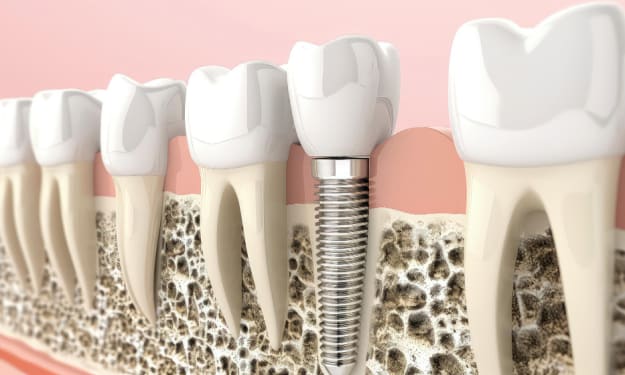
When you think of dental implants, the first thing that often comes to mind is their natural, lifelike appearance. While it’s true that implants can restore your smile beautifully, their benefits extend far beyond looks.
By Prime Care Dental Wodonga5 months ago in Longevity
Day 4 of Quitting
If this is how sobriety feels, maybe it’s better to go through life a little buzzed… this, along with other hits like, I want to kill myself, I wish I was dead, and I’m going to throw myself off a bridge have been the only thoughts on rotation these past few days. I promise myself that if, in a month, I still feel like this (‘this’ meaning despondent, full of rage, and simultaneously numb) I can go back to smoking. Until mid-February though? Nicotine is off the table.
By sleepy drafts24 days ago in Longevity
The Refiner’s Fire Is Not the Whetstone
There is a difference between being sharpened and being transformed, and confusing the two leads to frustration when growth does not feel productive. Sharpening implies refinement of existing form. Fire implies change in composition. Both processes are uncomfortable, but they operate on different levels and for different purposes. When people expect sharpening and receive fire instead, they often assume something has gone wrong, when in reality something deeper is taking place.
By Peter Thwing - Host of the FST Podcast5 days ago in Longevity


Comments
There are no comments for this story
Be the first to respond and start the conversation.