
Can Foods Make You Feel Sick?
There are around twelve million Americans that will suffer from the problems of food allergies
Can Foods Make You Feel Sick?
Are you feeling strange after you eat some kinds of foods? Do you get itchy or feel funny in your hands? Are you getting hives or swelling up? If so then maybe you having a good allergy. This is very common and many people go through the same problems that you may be experiencing with many different foods.
There are around twelve million Americans that will suffer from the problems of food allergies. Most of the allergic reactions that many people go through are mild but there are many that will have to seek treatment from an emergency room each year because of the reactions from the foods that they eat. There are over two hundred deaths that are going to be caused from food allergies.
Many studies are going to show that there are at least eight percent of children that have allergies to some type of food. The numbers are going to be a little bit smaller or adults and only are around four percent.
Many times children will outgrow the food allergies that they are born with. However some will take them well into their adult hood and will deal with it for a lifetime.
Having packaged foods, eating in restaurants or going to a friend s home can be a problem for some. It is hard to say what is added to the food that we do not prepare ourselves.
You might want to ask others what is this or what is in this dish? However you have to ask these questions so that you are able to enjoy a good meal and not an unexpected trip the emergency room.
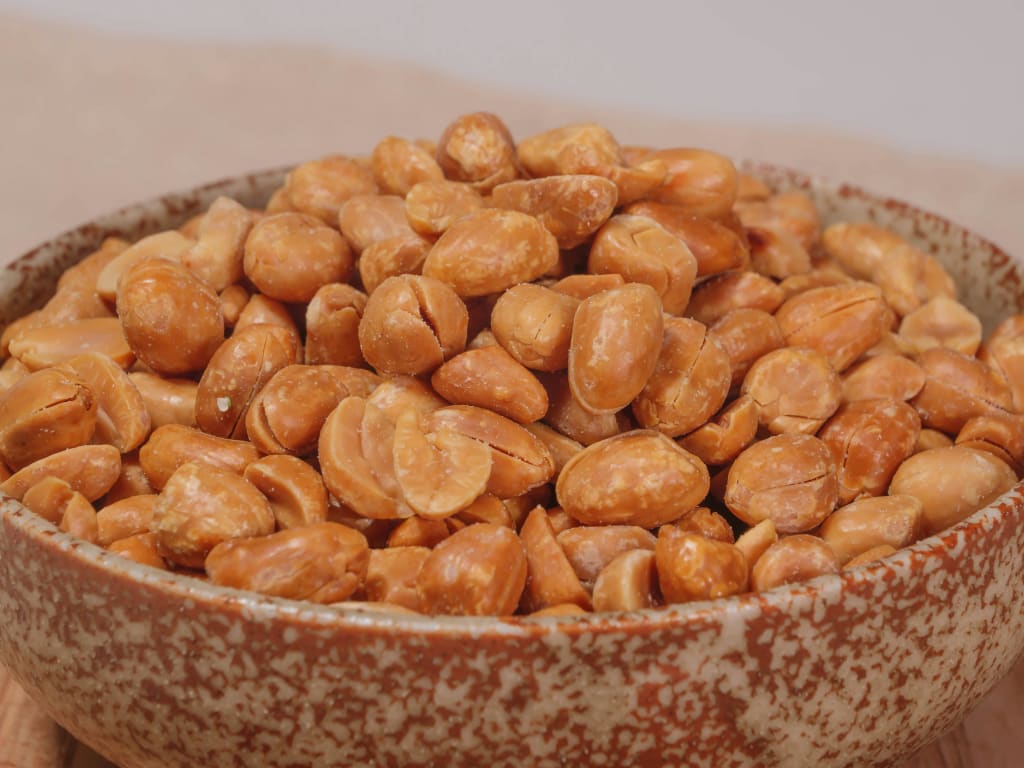
With the increased problems of peanut allergies, most of the packaged foods will have what is included in the ingredients on the label. They will say if there is peanut oil or if they are processed in a factory that has had peanuts in it.
There is no cure for food allergies and the only thing that you can do to avoid foods that cause the reactions is to be careful. You have to watch what you eat and be sure of the ingredients that are included in them. You do not want to have a reaction that you cannot deal with and that will make you deathly sick.
Peanut allergies are among the most severe and common food allergies, affecting millions of people worldwide. With the rise in peanut-related allergies, food manufacturers have become increasingly diligent in labeling their products to ensure consumer safety. The inclusion of allergy warnings on packaging, such as “may contain peanuts” or “processed in a facility that handles peanuts,” helps individuals with allergies avoid foods that may trigger a reaction. These labels are essential for preventing accidental exposure, as even trace amounts of peanuts or peanut oil can cause serious allergic reactions in sensitive individuals.
For those with peanut allergies, vigilance is key. It's not just about avoiding foods that explicitly contain peanuts, but also being cautious of cross-contamination. This can happen when foods are processed in factories that also handle peanuts, even if peanuts aren’t listed as an ingredient. Eating out at restaurants can be especially risky, as there may be hidden peanut oils or traces in foods where you wouldn't expect them. Always inform restaurant staff about your allergy and ask how dishes are prepared to avoid any unintended exposure.
Unfortunately, there is currently no cure for peanut allergies, making avoidance the only viable option for those affected. The severity of peanut allergies can range from mild to life-threatening, with symptoms including hives, swelling, difficulty breathing, and anaphylaxis. It's crucial for individuals with peanut allergies to carry an epinephrine auto-injector (like an EpiPen) at all times in case of accidental exposure. Immediate treatment with epinephrine can be life-saving in severe cases of allergic reactions, but seeking emergency medical attention is always necessary following an allergic episode.
Beyond vigilance and proper labeling, some individuals may consider oral immunotherapy (OIT) as a treatment to build tolerance to peanuts gradually. This treatment involves consuming small, increasing amounts of peanuts under medical supervision to reduce the severity of allergic reactions. However, OIT is not suitable for everyone, and its success rate varies. It is important to consult with an allergist to determine whether this approach might be appropriate. Additionally, ongoing research continues to explore potential treatments and cures for peanut allergies, offering hope for those affected by this life-altering condition.
About the Creator
Cyri K Mababu
Hi! Welcome! I'm Cyri a freelancer, passionate to delivering insightful information on health, arts and designs. Please do not forget to subscribe my stories. Give me a hand to keep me and my reseach alive. you will always be informed.
Keep reading
More stories from Cyri K Mababu and writers in Longevity and other communities.
Foods That May Help Those with Allergies
Foods That May Help Those with Allergies Do you suffer from allergies? If you do, you may be looking for natural ways to seek relief. The good news is that you do have a number of different options. One of those options is food. Did you know that there are some food products that can help you reduce or seek relief from many common allergy symptoms? There are.
By Cyri K Mababuabout a year ago in Longevity
6 Things to Avoid After 5 P.M. for Better Blood Sugar Control, According to Dietitians
Do you wind down at night by doom-scrolling on the couch with a glass of wine? Do you stay up way too late or eat a large dinner before bed? These seemingly harmless evening habits could be sabotaging your blood sugar more than you realize.
By Good health to everyone2 days ago in Longevity
Green Tea: A Cup Full of Wellness 🌿 (Health Tips)
Introduction Green tea is more than just a warm and relaxing drink — it is one of the most loved natural beverages in the world. It is made from the leaves of the plant (Camellia sinensis) a plant known for its rich antioxidants and healing properties.
By Health Tips6 days ago in Longevity




Comments
There are no comments for this story
Be the first to respond and start the conversation.