
Building Emotional Resilience
Thriving Through Life's Challenges

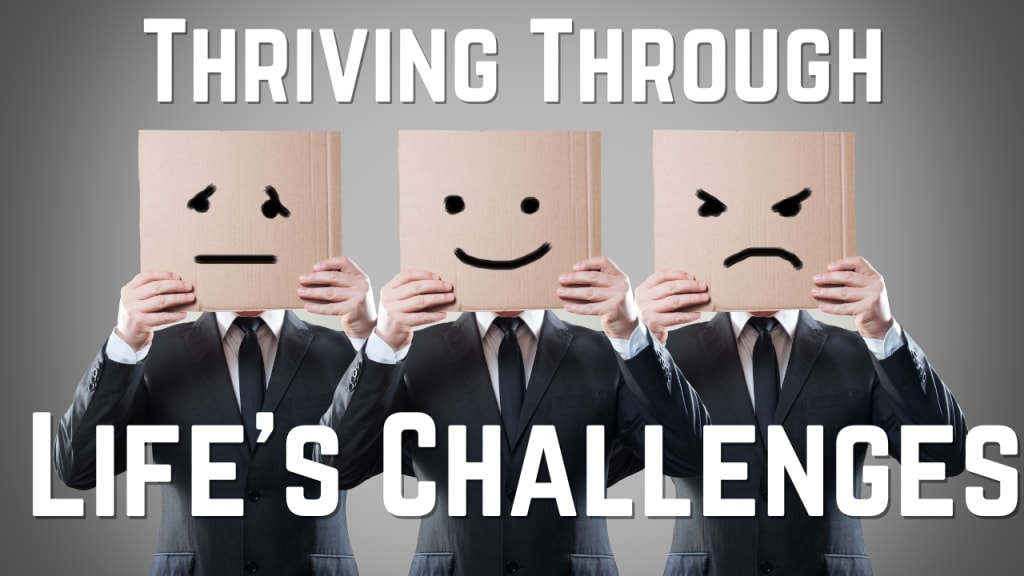
Life is a journey marked by peaks of joy and valleys of adversity. In the face of challenges—whether it's a setback at work, a personal loss, or a global crisis—emotional resilience becomes our steadfast companion, guiding us through turbulent times and empowering us to emerge stronger than before. Emotional resilience isn’t just about bouncing back; it’s about growing through adversity, cultivating inner strength, and navigating life's uncertainties with grace and courage. Here’s how you can cultivate and strengthen your emotional resilience, drawing inspiration from real-life examples and practical strategies.
Understanding Emotional Resilience
Emotional resilience is the ability to adapt and bounce back from setbacks, adversity, and stress. It's about harnessing inner strength, maintaining a positive outlook, and navigating challenges with flexibility and determination. While some individuals seem naturally resilient, resilience is a skill that can be nurtured and developed through intentional practices and mindset shifts.
"I used to think resilience was about being tough and never showing vulnerability," says David, a healthcare worker who faced burnout during the pandemic. "But I've learned that it's more about embracing vulnerability, seeking support when needed, and finding meaning in difficult experiences."
Cultivating Emotional Resilience: Strategies and Practices
1. Cultivate Self-Awareness
Self-awareness is the cornerstone of emotional resilience. It involves recognizing your emotions, understanding their triggers, and developing healthier ways to respond to stress and adversity. Practices such as mindfulness meditation, journaling, or talking to a trusted friend or therapist can enhance self-awareness.
2. Build a Strong Support Network
No one can navigate life's challenges alone. Building and nurturing relationships with supportive friends, family members, or community groups can provide emotional validation, perspective, and practical assistance during difficult times.
3. Adopt a Growth Mindset
A growth mindset emphasizes learning and growth through challenges. Instead of viewing setbacks as permanent or insurmountable, cultivate a mindset that sees failures as opportunities for learning, resilience-building, and personal growth.
4. Practice Self-Care
Taking care of your physical, emotional, and mental well-being is essential for resilience. This includes prioritizing adequate sleep, regular exercise, nutritious meals, and activities that bring you joy and relaxation.
5. Develop Problem-Solving Skills
Developing effective problem-solving skills can bolster your resilience in challenging situations. Break down problems into manageable steps, seek alternative solutions, and approach challenges with creativity and flexibility.
Real-Life Examples of Emotional Resilience
Sarah, a single parent juggling multiple jobs, faced financial hardship during the pandemic. "I started reaching out to local community resources for support," she shares. "It wasn't easy asking for help, but it taught me that resilience isn't about doing it all alone—it's about knowing when to lean on others."
James, a recent graduate navigating a competitive job market, experienced several rejections before securing his dream job. "Each rejection stung," he admits. "But I kept refining my resume, honing my interview skills, and staying positive. Eventually, my persistence paid off."
Finding Meaning and Purpose
One of the hallmarks of emotional resilience is finding meaning and purpose in challenging experiences. Whether it's finding lessons learned, personal growth, or a deeper sense of empathy, cultivating a sense of purpose can provide strength and motivation during difficult times.
"Through my own struggles with illness, I discovered a passion for advocating for others facing similar challenges," says Emma, who now volunteers at a local health organization. "It's given my experiences purpose and has helped me build resilience by turning adversity into something meaningful."
Embracing Resilience as a Journey
Emotional resilience isn't a destination but a continuous journey of growth and self-discovery. It requires patience, self-compassion, and a willingness to learn from setbacks. As you navigate life's ups and downs, remember that building resilience takes time and practice.
"In times of uncertainty, I remind myself of all the challenges I've overcome," says David. "Each challenge has strengthened my resilience and taught me valuable lessons about myself and life."
Embracing Your Inner Strength
In conclusion, building emotional resilience is about embracing your inner strength, fostering supportive relationships, and adopting a mindset that sees challenges as opportunities for growth. By cultivating self-awareness, practicing self-care, and finding meaning in difficult experiences, you can navigate life's challenges with resilience and grace.
As you reflect on your own journey, consider how you can nurture your emotional resilience today. How will you harness your inner strength to thrive amidst life's inevitable challenges? Remember, resilience isn't about avoiding difficulties—it's about rising stronger each time life knocks you down, ready to face whatever comes next with courage and resilience.
About the Creator
Keep reading
More stories from Marie McCay and writers in Longevity and other communities.
Self-Care Unlocked!
In the whirlwind of modern life, where deadlines loom large and responsibilities multiply, self-care often takes a backseat. Yet, amidst the chaos, prioritizing your well-being is not just a luxury but a necessity. Self-care is about intentionally nurturing your physical, emotional, and mental health, even on the busiest of days. It's a powerful act of self-love and resilience that can rejuvenate your spirit and enhance your overall quality of life. Here’s how you can weave self-care into your hectic schedule, with practical tips and inspiring examples to guide you along the way.
By Marie McCay2 years ago in Longevity
Day 4 of Quitting
If this is how sobriety feels, maybe it’s better to go through life a little buzzed… this, along with other hits like, I want to kill myself, I wish I was dead, and I’m going to throw myself off a bridge have been the only thoughts on rotation these past few days. I promise myself that if, in a month, I still feel like this (‘this’ meaning despondent, full of rage, and simultaneously numb) I can go back to smoking. Until mid-February though? Nicotine is off the table.
By sleepy drafts11 days ago in Longevity
I Looked Strong to Everyone, but I Was Falling Apart in Silence
Everyone thought I was strong. I was the one who checked on others, met deadlines, showed up with a smile, and said, “I’m good” without hesitation. If strength had a face, people told me it looked like mine.
By Fazal Hadiabout 19 hours ago in Longevity




Comments
There are no comments for this story
Be the first to respond and start the conversation.