
Botanical Supplements Market Size and Forecast 2025–2033
Natural Wellness Takes Center Stage in a Rapidly Expanding Global Market


Botanical Supplements Market Overview
The Botanical Supplements Market is witnessing remarkable global expansion as consumers increasingly turn toward natural, plant-based solutions to support health and wellness. According to Renub Research, the market is expected to reach US$ 83.25 billion by 2033, up from US$ 35.22 billion in 2024, growing at a robust CAGR of 10.03% from 2025 to 2033.
Botanical supplements are dietary products derived from plants or plant parts, including roots, leaves, seeds, flowers, and bark. They are available in diverse formats such as capsules, tablets, powders, liquids, teas, and gummies. Widely used botanicals like turmeric, ginseng, ginkgo biloba, echinacea, and ashwagandha are valued for benefits ranging from immunity enhancement and digestive support to stress reduction, inflammation control, and cognitive health.
Deeply rooted in traditional medical systems such as Ayurveda and Traditional Chinese Medicine (TCM), botanical supplements have successfully transitioned into mainstream modern healthcare. Today’s consumers view them as cleaner, safer, and more holistic alternatives to synthetic formulations—aligning well with global clean-label and wellness-driven lifestyles.
Key Factors Driving Market Growth
The rapid expansion of the botanical supplements market is fueled by a convergence of demographic, lifestyle, technological, and cultural trends.
Rising Preference for Natural and Plant-Based Products
One of the strongest drivers of market growth is the global shift toward natural, plant-based health solutions. Consumers are becoming increasingly cautious about long-term use of synthetic ingredients, additives, and artificial preservatives. Botanical supplements are widely perceived as gentler, eco-friendly, and more compatible with holistic wellness approaches.
The rise of veganism, vegetarian diets, sustainability awareness, and clean-label movements has further amplified demand. In response, manufacturers are investing heavily in innovative plant-derived formulations with transparent ingredient sourcing, fueling sustained market growth.
Aging Global Population and Preventive Healthcare
The aging population worldwide is another critical growth catalyst. Older adults are actively seeking natural ways to manage age-related conditions such as joint pain, cardiovascular health issues, cognitive decline, weakened immunity, and digestive disorders.
Botanical supplements are often preferred by seniors due to their perceived safety profile and lower risk of side effects compared to conventional pharmaceuticals.
In Japan, individuals aged 65 and above now account for nearly one-third of the population.
In China, over 297 million people (21.1%) were aged 60 or older in 2023.
This demographic transition is significantly boosting demand for botanicals as part of proactive aging and long-term wellness strategies.
Rapid Expansion of E-Commerce and Digital Retail
E-commerce has transformed how botanical supplements are discovered, evaluated, and purchased. Online platforms provide consumers with:
Easy access to global brands
Detailed ingredient transparency
Reviews and scientific backing
Subscription-based purchasing models
The COVID-19 pandemic permanently accelerated online supplement purchasing behavior. Rising smartphone penetration and internet accessibility in emerging economies continue to support online sales growth, making botanical supplements more accessible across regions.
Challenges Facing the Botanical Supplements Industry
Despite its strong outlook, the market faces notable challenges that require strategic attention.
Regulatory Complexity Across Regions
Botanical supplements operate within a complex regulatory environment that varies significantly by country.
In the United States, supplements are regulated under the Dietary Supplement Health and Education Act (DSHEA), allowing broader health claims.
In contrast, European Union regulations impose stricter controls on product claims and approvals.
Navigating these inconsistencies increases compliance costs, delays product launches, and complicates global expansion strategies for manufacturers.
Adulteration and Mislabeling Risks
Adulteration and inaccurate labeling remain serious concerns. Some products may contain:
Substituted or diluted botanical ingredients
Undisclosed synthetic additives
Contaminants such as pesticides or heavy metals
Such practices erode consumer trust, damage brand reputation, and invite regulatory scrutiny. As a result, demand is rising for third-party testing, quality certifications, and supply chain transparency.
Regional Market Insights
United States Botanical Supplements Market
The United States represents one of the largest and most mature botanical supplements markets globally. Growth is driven by:
Strong consumer demand for clean-label, plant-based nutrition
High awareness of preventive healthcare
Continuous innovation backed by scientific validation
In October 2024, PLT Health Solutions introduced Cellflo6, a gallate-enhanced green tea extract designed to support blood flow, endurance, and recovery—highlighting the U.S. market’s focus on performance-driven botanical innovation.
France Botanical Supplements Market
France’s botanical supplements market is expanding steadily, supported by a long-standing tradition of European herbal medicine and strong consumer trust in plant-based therapies. Demand is particularly high for digestive, immune, and mental wellness products.
In September 2023, Groupe Berkem launched Biombalance, a gut-health ingredient line derived from grape seed polyphenols, reinforcing France’s leadership in scientifically supported botanical solutions.
India Botanical Supplements Market
India is emerging as one of the fastest-growing markets, driven by:
Deep cultural roots in Ayurveda
Rising health awareness and preventive care adoption
Strong government support through the AYUSH initiative
In August 2024, Dabur India Limited approved a ₹135 crore investment in a new manufacturing facility in Tamil Nadu, strengthening India’s position as a global hub for botanical and Ayurvedic products.
Saudi Arabia Botanical Supplements Market
Saudi Arabia’s botanical supplements market is growing steadily, supported by:
Rising lifestyle-related health issues such as diabetes and obesity
Cultural acceptance of traditional herbal remedies
Government healthcare initiatives under Vision 2030
Increased disposable incomes and expanding e-commerce platforms are further enhancing consumer access to botanical wellness products across the Kingdom.
Recent Developments in the Botanical Supplements Market
April 2025: Vivazen launched fast-acting botanical gummies, including Citrus Chill, Cider Crush, and Berry Bliss, targeting stress relief, relaxation, and focus.
December 2024: The Himalaya Drug Company introduced a clinically tested herbal formulation of PartySmart to support liver function during alcohol metabolism.
September 2023: Groupe Berkem expanded its nutraceutical footprint with the Biombalance brand focused on microbiota health.
Botanical Supplements Market Segmentation
By Source
Leaves
Spices
Herbs
Flowers
Others
By Form
Powder
Liquid
Tablets
Capsules
Gummies
Others
By Distribution Channel
Offline
Online
Country-Level Market Coverage (25 Viewpoints)
North America: United States, Canada
Europe: France, Germany, Italy, Spain, United Kingdom, Belgium, Netherlands, Turkey
Asia Pacific: China, Japan, India, Australia, South Korea, Thailand, Malaysia, Indonesia, New Zealand
Latin America: Brazil, Mexico, Argentina
Middle East & Africa: South Africa, United Arab Emirates, Saudi Arabia
Key Players Analysis
The competitive landscape includes global nutraceutical, consumer goods, and specialty ingredient companies such as:
NBTY Inc., Ricola AG, Mondelez International, Procter and Gamble, Nutraceutical International Company, and BASF SE.
Each company is evaluated across:
Company Overview
Key Leadership
Recent Strategies & Developments
SWOT Analysis
Sales Performance
Final Thoughts
The Botanical Supplements Market is entering a transformative growth phase, driven by rising global health awareness, aging populations, clean-label preferences, and expanding digital retail channels. With strong cultural roots, scientific validation, and continuous innovation, botanical supplements are no longer niche products—they are becoming mainstream pillars of preventive healthcare worldwide.
As regulatory clarity improves and quality standards strengthen, the market is well-positioned to deliver long-term, sustainable growth through 2033, offering significant opportunities for manufacturers, ingredient suppliers, and wellness-focused brands alike.
About the Creator
jaiklin Fanandish
Jaiklin Fanandish, a passionate storyteller with 10 years of experience, crafts engaging narratives that blend creativity, emotion, and imagination to inspire and connect with readers worldwide.
Keep reading
More stories from jaiklin Fanandish and writers in Longevity and other communities.
Saudi Arabia IVF Market Size and Forecast 2025–2033
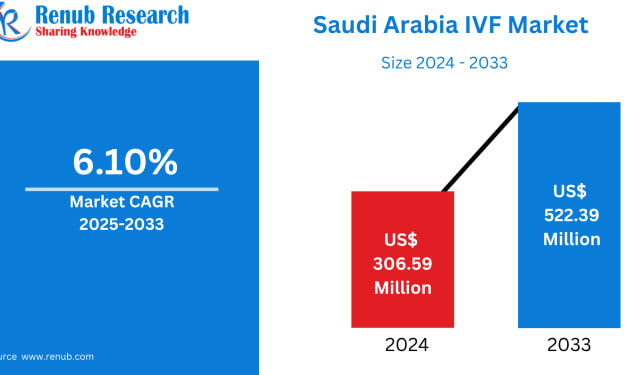
Saudi Arabia IVF Market Outlook The Saudi Arabia IVF Market is witnessing steady and resilient growth as infertility becomes a recognized medical condition rather than a social taboo. According to Renub Research, the market is expected to reach US$ 522.39 million by 2033, up from US$ 306.59 million in 2024, registering a CAGR of 6.10% from 2025 to 2033.
By jaiklin Fanandish21 days ago in Longevity
Day 4 of Quitting
If this is how sobriety feels, maybe it’s better to go through life a little buzzed… this, along with other hits like, I want to kill myself, I wish I was dead, and I’m going to throw myself off a bridge have been the only thoughts on rotation these past few days. I promise myself that if, in a month, I still feel like this (‘this’ meaning despondent, full of rage, and simultaneously numb) I can go back to smoking. Until mid-February though? Nicotine is off the table.
By sleepy drafts5 days ago in Longevity
The steps to losing a child
Step One: Lose a child. Not what anyone wants to happen and nothing you can do to change it, but you can go through steps to becoming happy again. You can go through steps to loving again. You can go through steps to become a new you because after losing a child you will never be the same person you once were.
By Tabitha Hinkley4 days ago in Fiction


Comments
There are no comments for this story
Be the first to respond and start the conversation.