
Blood Pressure and Heart Health
A Guide to Managing Hypertension

High blood pressure, or hypertension, is one of the most common and impactful risk factors for heart disease. Often called the "silent killer," hypertension can go unnoticed for years while causing significant strain on the heart and blood vessels. Understanding how blood pressure affects heart health and learning effective ways to manage it can help reduce your risk of serious cardiovascular complications. This guide provides an overview of blood pressure basics, its relationship to heart health, and practical steps to manage hypertension.
Understanding Blood Pressure
What Is Blood Pressure? Blood pressure measures the force of blood as it pushes against the walls of your arteries when the heart pumps. It’s recorded with two numbers:
Systolic Pressure: The top number, representing the pressure when the heart beats and pumps blood.
Diastolic Pressure: The bottom number, indicating the pressure when the heart rests between beats.
Blood pressure is measured in millimeters of mercury (mm Hg). A normal reading is generally around 120/80 mm Hg, though optimal levels can vary based on age and overall health.
Categories of Blood Pressure (according to the American Heart Association)
Normal: Less than 120/80 mm Hg
Elevated: Systolic between 120-129 mm Hg and diastolic less than 80 mm Hg
Hypertension Stage 1: Systolic between 130-139 mm Hg or diastolic between 80-89 mm Hg
Hypertension Stage 2: Systolic 140 mm Hg or higher or diastolic 90 mm Hg or higher
Hypertensive Crisis: Systolic over 180 mm Hg and/or diastolic over 120 mm Hg (requires immediate medical attention)
How High Blood Pressure Impacts Heart Health
Strain on the Heart: When blood pressure is elevated, the heart has to work harder to pump blood. Over time, this can lead to the thickening of the heart muscle (left ventricular hypertrophy) and eventually weaken it, increasing the risk of heart failure.
Damage to Arteries: High blood pressure can damage the lining of the arteries, making them less flexible and more susceptible to plaque buildup, leading to atherosclerosis. This restricts blood flow and raises the risk of heart attacks and strokes.
Increased Risk of Aneurysms: Chronic hypertension can weaken artery walls, increasing the chance of aneurysms (bulges in the artery wall). If an aneurysm ruptures, it can be life-threatening.
Kidney and Eye Damage: Prolonged high blood pressure can also damage the small blood vessels in the kidneys and eyes, leading to kidney disease and vision issues.
Factors That Influence Blood Pressure
Diet: High sodium intake, found in processed foods and salty snacks, can cause fluid retention, raising blood pressure. Conversely, foods rich in potassium, calcium, and magnesium can help regulate blood pressure.
Physical Activity: Regular exercise strengthens the heart, allowing it to pump blood with less effort, which lowers blood pressure. Sedentary lifestyles contribute to weight gain and increased hypertension risk.
Body Weight: Being overweight or obese strains the heart and increases the likelihood of hypertension. Losing even a small amount of weight can have a positive impact on blood pressure levels.
Stress: Chronic stress may contribute to temporary spikes in blood pressure and encourage unhealthy behaviors like overeating or excessive alcohol consumption, indirectly impacting blood pressure.
Genetics and Family History: Hypertension can run in families, making some people more predisposed to high blood pressure.
Age: Blood pressure naturally tends to rise with age due to the stiffening of arteries, but healthy lifestyle choices can slow this progression.
Smoking and Alcohol: Nicotine raises blood pressure temporarily and damages blood vessel walls, while excessive alcohol intake can elevate blood pressure long-term.
Strategies for Managing Hypertension
Adopt a Heart-Healthy Diet (DASH Diet)
The Dietary Approaches to Stop Hypertension (DASH) diet emphasizes fruits, vegetables, whole grains, lean proteins, and low-fat dairy. It’s low in saturated fats, cholesterol, and sodium, and rich in nutrients that help lower blood pressure.
Limit Sodium: Aim for less than 2,300 mg of sodium daily, or even 1,500 mg if possible. Avoid adding salt to food and be mindful of high-sodium foods like processed snacks and canned soups.
Increase Potassium Intake: Potassium helps balance sodium levels and ease pressure on blood vessel walls. Good sources include bananas, potatoes, and leafy greens.
Exercise Regularly
Aim for at least 150 minutes of moderate aerobic exercise per week (e.g., brisk walking, cycling) or 75 minutes of vigorous activity (e.g., running). Physical activity can help lower blood pressure and improve cardiovascular health.
Incorporate strength training exercises at least twice a week to improve overall fitness and body composition.
Maintain a Healthy Weight
Losing excess weight can have a profound effect on blood pressure. Even a 5-10% reduction in body weight can lead to significant improvements in blood pressure levels.
Work with a healthcare provider or nutritionist if needed to create a sustainable plan for weight management.
Limit Alcohol and Quit Smoking
Drinking alcohol in moderation (one drink per day for women, two for men) is generally safe, but excessive drinking can raise blood pressure.
Smoking cessation can lead to immediate and long-term benefits for blood pressure and overall heart health. Nicotine patches, counseling, and support groups can help with quitting.
Practice Stress-Relief Techniques
Chronic stress contributes to high blood pressure by increasing cortisol levels and promoting unhealthy habits. Techniques like deep breathing, meditation, and progressive muscle relaxation can reduce stress.
Consider integrating relaxation activities, such as yoga or mindfulness practices, to help manage stress.
Monitor Blood Pressure Regularly
Keeping track of your blood pressure can help you see patterns, recognize triggers, and determine if lifestyle changes or medications are effective.
Many pharmacies offer blood pressure kiosks, or you can purchase a home monitor to track your levels consistently.
Medication Options When Needed
When lifestyle changes aren’t enough, healthcare providers may prescribe medications such as ACE inhibitors, beta-blockers, or diuretics to help control blood pressure.
It’s essential to take medications as prescribed and work closely with your healthcare provider to find the best combination of lifestyle habits and treatments.
Tips for a Blood Pressure-Friendly Lifestyle
Eat Smaller, Balanced Meals: Large meals can temporarily increase blood pressure. Eating smaller portions more frequently and avoiding heavy meals, especially in the evening, may help.
Stay Hydrated: Dehydration can cause blood vessels to constrict, which may raise blood pressure. Drinking enough water throughout the day supports blood flow and heart function.
Limit Caffeine: Although caffeine affects people differently, it can cause temporary blood pressure spikes. If you’re sensitive to caffeine, limit coffee, tea, and other caffeinated beverages.
Managing blood pressure is crucial for long-term heart health. By understanding the factors that contribute to hypertension and adopting heart-healthy habits like a balanced diet, regular exercise, and stress management, you can take control of your blood pressure and reduce your risk of cardiovascular disease. Regular monitoring and working with a healthcare provider can help you stay proactive and make necessary adjustments to maintain a healthy heart.
About the Creator
Keep reading
More stories from DIGITAL HUB and writers in Longevity and other communities.
The Role of Cholesterol in Heart Disease
Cholesterol plays a significant role in heart health, influencing your risk for heart disease in complex ways. While cholesterol is essential for bodily functions like building cell membranes and producing hormones, an imbalance in cholesterol levels can lead to serious cardiovascular issues. Here’s what you need to know about cholesterol, its effects on heart health, and how to manage your levels effectively.
By DIGITAL HUBabout a year ago in Longevity
Day 4 of Quitting
If this is how sobriety feels, maybe it’s better to go through life a little buzzed… this, along with other hits like, I want to kill myself, I wish I was dead, and I’m going to throw myself off a bridge have been the only thoughts on rotation these past few days. I promise myself that if, in a month, I still feel like this (‘this’ meaning despondent, full of rage, and simultaneously numb) I can go back to smoking. Until mid-February though? Nicotine is off the table.
By sleepy drafts14 days ago in Longevity
How Social Media Is Rewiring the Teenage Brain
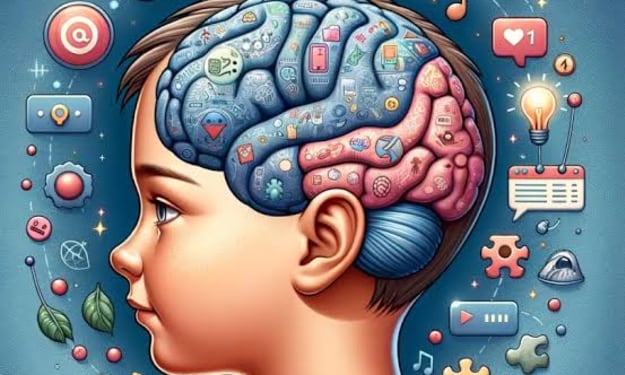
In the last decade, social media has evolved from a simple tool for communication into an immersive ecosystem shaping how we think, feel, and interact. Among the most vulnerable to these changes are teenagers. The adolescent brain, still in its developmental phase, is especially susceptible to the effects of constant connectivity, curated content, and digital validation. Emerging research suggests that social media is not just influencing teenage behavior—it is literally rewiring their brains. The Brain in Adolescence Teenagers undergo profound neurological changes, particularly in the prefrontal cortex, which governs decision-making, impulse control, and planning. At the same time, the limbic system, responsible for emotions and reward processing, is highly active. This imbalance makes teens more prone to risk-taking, peer influence, and emotional volatility. Social media, with its instant feedback loops of likes, comments, and shares, exploits these natural developmental tendencies. Reward Systems and Dopamine Every notification, heart, or comment triggers a release of dopamine—a neurotransmitter associated with pleasure and reward. In the offline world, rewards are typically delayed or earned through effort, but social media delivers instant gratification. Over time, this creates a pattern where teens begin to seek validation from digital platforms rather than internal motivation or real-life achievements. Neuroscientists warn that this constant activation of reward pathways can make adolescents more impulsive and reduce attention spans. The Attention Economy Social media platforms are designed to capture attention. Infinite scrolling, autoplay videos, and algorithm-driven feeds keep users engaged for hours. For teens, whose executive functions are still developing, this can interfere with concentration and memory. Studies have found that teenagers who spend excessive time on social media often experience difficulties focusing on schoolwork, have shorter attention spans, and struggle with task persistence. Emotional Impact and Mental Health The impact of social media on teenage mental health is complex. On one hand, it offers community, self-expression, and connection. On the other, it exposes adolescents to cyberbullying, unrealistic comparisons, and social pressure. Constantly seeing idealized versions of peers’ lives can foster feelings of inadequacy, anxiety, and depression. Researchers have observed changes in brain regions linked to emotional regulation in teens who spend several hours daily on social media. The amygdala, for instance, shows heightened activity in response to perceived social threats, amplifying stress reactions. Social Skills and Empathy Another concern is the effect of social media on social cognition. Face-to-face interactions help teenagers develop empathy, read emotional cues, and understand complex social dynamics. Online interactions, often filtered through text, emojis, and memes, can limit these experiences. Teens who rely heavily on digital communication may find it harder to navigate real-world social situations, potentially impacting long-term relationship skills. Adaptive or Maladaptive? Not all changes induced by social media are negative. Platforms can enhance creativity, provide access to global perspectives, and facilitate learning communities. Some teens leverage social media for activism, skill-building, and self-expression in ways that strengthen their sense of identity and social connectedness. The key lies in moderation, mindful usage, and parental guidance. Toward Healthy Digital Habits Experts recommend several strategies to help teens navigate the social media landscape without compromising brain development. Setting daily time limits, encouraging offline hobbies, and promoting in-person social interactions can balance the benefits and risks. Open communication between parents and teens about online experiences is critical, as is educating adolescents on the impact of digital validation on their emotional and cognitive health. The Road Ahead As neuroscientists continue to study the long-term effects of social media on the teenage brain, one thing is clear: the digital environment is reshaping adolescent development in unprecedented ways. While social media can be a source of learning, community, and creativity, it also presents challenges that require careful navigation. Awareness, education, and proactive strategies can help ensure that teens benefit from the digital age without falling prey to its potential pitfalls. Social media is more than just a tool—it is a force capable of rewiring young minds. Understanding its influence is the first step toward harnessing its potential while safeguarding the next generation’s mental, emotional, and cognitive well-being.
By Fiaz Ahmed Brohi2 days ago in Longevity



Comments
There are no comments for this story
Be the first to respond and start the conversation.