
Beta-Alanine, Caffeine, and Creatine
A Study of the Safety and Efficacy of the Main Ingredients in Preworkout Supplements

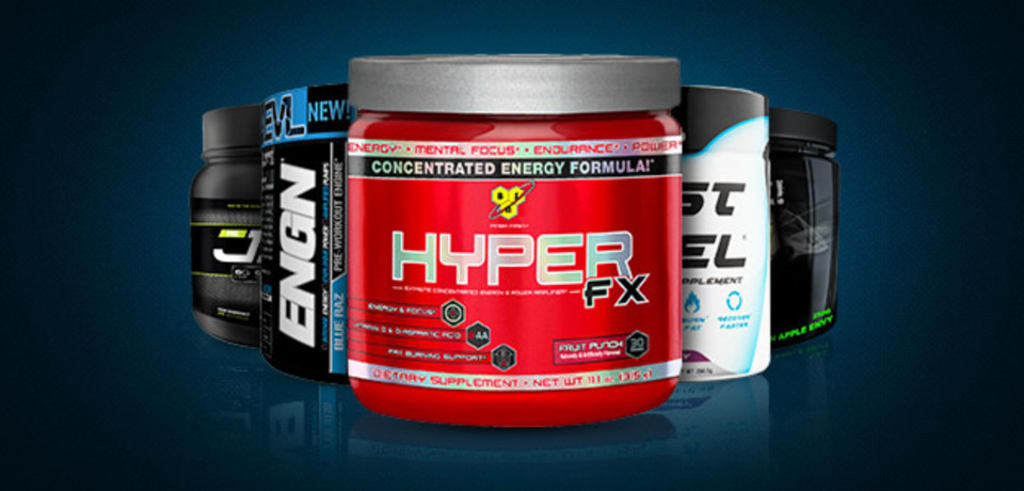
According to Eudy et al. (2013), “A survey of 207 college athletes indicated that 89 percent were using... preworkout nutritional supplements...” (p. 577). Another study cites that most 11- to 18-year-olds who claimed to be taking preworkout supplements had no knowledge of the potential risks associated with these controversial workout enhancers (Eudy et al., 2013). The use of preworkout supplements originally seemed to be on a steep rise among today’s athletes and gym-goers; for years, infamous Blender Bottles could be found scattered around almost all fitness centers, filled with water and mixed to an array of vibrant hues matching the supplement’s artificial flavors. As preworkout supplements grew more prevalent in the general fitness society, the act of checking the nutrition facts and skeptically yet objectively researching whether a supplement’s ingredients were both safe and efficacious for the user became less common. The proposed benefits used to market preworkout supplements by large companies such as Cellucor and EVLution make it easy to see why these types of nutritional supplements rapidly gained popularity among athletes and fitness gurus, but not all publicity for these supplements has been positive. As general consumer knowledge surrounding these supplements dwindled, many of these then were often linked with unsafe and undesirable effects. As Kendall et al. (2014) have noted, “mainstream media reports have linked creatine and caffeine supplementation with potential renal and hepatic problems as well as dehydration” (p. 443). As various attitudes and beliefs surrounding the risks and results of preworkout supplements regularly change, the safety and efficacy of preworkout supplements on the human body is of larger interest than ever before to athletes, performance coaches, and fitness enthusiasts alike. The use of beta-alanine, caffeine, and creatine in these preworkout supplements is safe for users as well as being effective in enhancing the results of an athlete or fitness enthusiast’s workout.
Preworkout is a workout/nutrition supplement taken prior to exercise—typically in the form of a powder to be mixed with water—which is meant to improve focus and energy levels during a workout, among other physiological benefits. The ingredients in preworkout supplements can be complex and hard to describe even for experienced athletes and performance coaches, but are necessary to understand as they are referred to numerous times throughout this research paper. “Ergogenic” is an adjective used to describe supplements intended to enhance physical performance, stamina, or recovery. It is also often used in place of the word "supplement." Beta-Alanine is described by Eudy et al. (2013) as “A nonessential [naturally occurring] amino acid produced in the liver... obtained in the diet from protein-rich foods such as chicken, beef, pork, and fish” (p. 583). It acts to indirectly delay muscular fatigue as well as increasing aerobic and anaerobic endurance by increasing the body’s muscle carnosine content (Eudy et al., 2013). Caffeine is another naturally occurring substance most known today for its existence in coffee, tea, and various energy drinks. In regards to resistance training and anaerobic exercise, Bytomski and Parker (2011) characterize caffeine as a substance which “allows the athlete to perform explosive exercise for a longer duration of time” (p. 214). Lastly, creatine is another naturally occurring substance produced within the human kidneys and liver—albeit in relatively small amounts—whose primary function is to “create adenosine triphosphate... the initial source of energy for muscle contraction” (Eudy et al., 2013, p. 582). These three ingredients—beta-alanine, caffeine, and creatine—are key in a majority of brands and variations of preworkout supplements.
A major concern of those many athletes, nutritionists, and performance coaches who either advise clients to stay away from preworkout or abstain from using it themselves is that its ingredients are not safe. As previously stated, beta-alanine is a naturally occurring, “nonessential amino acid produced in the liver...” (Eudy et al., 2013, p. 583). While it is “nonessential,” beta-alanine is an amino acid that the body produces naturally, and therefore is likely to have no adverse side-effects or health risks. Eudy et al. (2013) confirms this by stating, “minimal to no adverse effects have been reported with [beta-alanine] supplementation” (p. 584). Across multiple studies and journals, the lone adverse effect mentioned was mild paresthesia, which is characterized by the main symptom of a tingling feeling, most commonly felt in the limbs and phalanges (Eudy et al., 2013; Quesnele, Laframboise, Wong, Kim, and Wells, 2014). This lone adverse effect is not only extremely minor and erratic, but also up for debate in regards to its consideration as a negative effect, as the symptoms of paresthesia resulting from beta-alanine supplementation are widely considered a positive sensation in the fitness enthusiast community due to it allowing the user to actively know that the supplement is at work. All in all, beta-alanine is shown through research to be a naturally occurring, body-produced amino acid with one sole erratic and opinion based adverse effect.
One of the primary doubts surrounding beta-alanine is that it, in reality, does not do anything to improve athletic or physiological performance and therefore is a waste of money. Despite occasionally portraying misleading results due to the indirect nature of the benefits provided by beta-alanine—which works much like a brake pedal in the process of decelerating a car rather than the brake pads themselves—studies have ultimately shown this naturally occurring amino acid to be effective in delaying muscle fatigue. Drawing from the fact that beta-alanine is a precursor to carnosine, its expected benefits should positively impact the results of anaerobic exercise, as a result of delayed fatigue and increased muscular endurance brought on by carnosine content (Eudy et al., 2013; Quesnele et al., 2014). These benefits are confirmed by Quesnele et al. (2014) through various research, noting that “[After four] weeks of [beta-alanine] supplementation in physically active men... [they] found a significant increase in total work done (TWD) by 13 percent with a further 3.2 percent increase at the 10-week point whereas TWD remained unchanged at 4 and 10 weeks in the control group” (pp. 21-22). This research upholds many preworkout companies’ claims that beta-alanine effectively increases overall workload among athletes in high-intensity resistance training. In 2013, Eudy et al. acknowledge a study which “showed that supplementation with [beta-alanine] increased muscle carnosine content” (p. 583). From these studies, the conclusion can be drawn that beta-alanine supplementation leads to increased carnosine levels, in turn adequately delaying fatigue and significantly increasing anaerobic muscular endurance. Beta-alanine’s natural occurrence and study-supported lack of health risks combined with research confirming its positive effects on anaerobic workouts are major reasons why beta-alanine is both a safe and effective ingredient in preworkout supplements.
“Also known as trimethylxanthine, caffeine is categorized as a stimulant...” (Eudy et al., 2013, p. 579). Many people around the world drink coffee, tea, or other drinks that include the stimulant caffeine on a daily basis, primarily for the positive effects that the stimulant of caffeine can have on one’s energy and focus, yet as soon as this substance is brought up in the realms of exercise and preworkout, it often becomes a villain of the sports science world. Dehydration is one symptom commonly associated with the consumption of caffeine in a preworkout supplement, but various studies do not agree. Bytomski and Parker (2011) play down this negative association between caffeine consumption and dehydration, stating:
One of the common worries about the consumption of caffeine is dehydration. While caffeine has shown mild diuretic effects on the kidney, consuming caffeinated beverages does not show a significant increase in overall fluid loss in a 24-hour [sic] period. Therefore, athletes should not increase their fluid intake when using moderate amounts of caffeine. (p. 214)
Caffeine has shown small signs of having the potential to result in a diuretic effect, but even the research makes it a point to suggest that athletes should not move from their typical liquid intake because of caffeine supplementation. Despite the often negative and skeptical world-view on caffeine as a workout supplement, studies in recent years have shown caffeine to be an overall healthy addition to physical exertion. According to Burke, Desbrow, and Spriet (2013), “Various health agencies from countries around the world consider caffeine to be a generally safe compound, especially when daily consumption is low or moderate” (p. 107). Research has shown most proposed health hazards of caffeine to be spineless and without support from studies—especially its most commonly suggested effect of dehydration. In addition, caffeine has been labeled through experimental studies as a safe substance. Apart from its lack of true health risks, caffeine has a considerably short list of side effects, all of which are minor including slight increases in blood pressure and jitters (Burke et al., 2013). Further backing up these points, Burke et al. (2013) suggests, “Normal amounts of caffeine-containing products, providing moderate to high caffeine doses, typically do not present any health risks” continuing, “Of course, caffeine-induced side effects vary considerably from person to person, as do the metabolic and performance effects. These side effects are not dangerous...” (p. 100). Similar to beta-alanine, caffeine has no health hazards, and few side effects which are all minor, by and large providing evidence that caffeine is a safe ingredient in preworkout supplements.
While most people have a basic grasp on the effects that the stimulant caffeine can have on daily life from personal consumption through coffee, tea, or otherwise, alternative benefits that caffeine has on a workout are far from common knowledge. Taking into consideration the lack of legitimate health hazards, the main interest in regards to caffeine supplementation within a preworkout is the efficacy of its proposed benefits on various workouts. Canterbury Christ Church University put caffeine’s effects to the test in a study involving a one kilometer cycling time trial (Burke et al. 2013). The results were significant, with Burke et al. (2013) noting, “Caffeine supplementation improved the kilo performance of well-trained cyclists by an average of 2.4 seconds—a 3.1% improvement in time. . ..” (p. 68). To put this stat in perspective, Burke et al. (2013) explains that the average difference of time between non-caffeine supplemented cyclists and caffeine supplemented cyclists—2.4 seconds—is greater than the time between the first- and tenth-place finishers in the men’s kilo event at the 2004 Olympic Games, which was 2.39 seconds. In high-intensity aerobic exercise, caffeine has repeatedly proven itself an effective supplement. Ciocca (2005) summarizes it well:
Caffeine has been shown to be ergogenic in aerobic activity, and has increased times to exhaustion in cycling and running, decreased times to finish a fixed period of cycling, increased times to exhaustion in intense repeated cycling, improved tennis performance, decreased recovery times, and decreased 1500 meter [sic] swim times. (p. 730)
Caffeine is significantly effective in enhancing performance across various aerobic activities, but it has also been shown to be an effective ergogenic in anaerobic, high-resistance forms of exercise. Bytomski and Parker (2011) observed caffeine’s effects on more explosive exercise:
Agility and focus during sports have been shown to increase when taking effective doses of caffeine. In addition, caffeine has been shown to replenish muscle glycogen stores faster when co-ingested with carbohydrates. This allows the athlete to perform explosive exercise for a longer duration of time. (p. 214)
Being able to perform explosive exercise for longer periods consequently leads to more effective workouts with a higher total workload, resulting in greater physiological benefits such as muscle gain and muscular endurance. The combination of a lack of serious health issues and research proven results across various types of exercise validates caffeine both a safe and effective ergogenic ingredient in workout supplements.
For years, the common public opinion was that creatine is a dangerous substance that bodybuilders use alongside their steroids and other illegal substances, with the potential to dehydrate athletes to the point of hospitalization in the blink-of-an-eye. A few years and many studies later, scientists understand much more about creatine, and insist that it is a safe substance for all adults to take. The first point in assuring creatine is a safe ergogenic supplement is its natural occurrence. “Creatine, a natural chemical derived from amino acids, is produced by the kidneys and the liver” (Eudy et al., 2013, p. 581). Since creatine is created naturally within the human body, it is unlikely that there would be major health hazards in a pure creatine supplement. Eudy et al. (2013) speculate that “serious adverse effects relating to the kidneys, gastrointestinal system, and liver are largely anecdotal, with scientific evidence lacking in healthy subjects taking creatine at the recommended amount” (p. 582). Ciocca (2005) affirms the past research, insisting, “there have been no consistent detrimental effects of creatine supplementation...” (p. 729). The single significant side effect to consistently appear in research is weight gain, but, like with beta-alanine, this “side effect” is a result actually craved by those looking to achieve gains of muscle mass (Jagr, Purpura, Shao, Inoue, and Kreider, 2011). The absence of any documented evidence reporting adverse effects as well as the lack of negative research on long-term effects of creatine use deem this ergogenic a safe ingredient in preworkout supplements.
Many regular gym-goers, fitness enthusiasts, and even athletes still see creatine as a supplement similar to steroids and strictly for elite bodybuilders, when in reality the benefits of the supplement stretch far beyond the small audience of professional weight lifters. While the stereotype that creatine is used primarily by the most elite athletes looking for a legal supplement similar to steroids is not completely wrong in-and-of itself, it provides a bad reputation for the ergogenic, whose demographic which can receive the benefits of creatine is much more extensive than a few elite athletes. Creatine supplementation has been widely studied, with the general consensus being that it has many benefits (Kerksick, 2011; Eudy et al., 2013; Jagr et al., 2011). One effect of creatine is a large increase in muscle glycogen content, creating a large energy backup which indirectly results in more energy for workouts and increased muscular endurance (Kerksick, 2011). Eudy et al. (2013) also suggests that “There is substantial evidence to support the claim that creatine monohydrate at the recommended amount improves exercise performance...” (p. 582). Creatine can provide storing of extended energy, in turn enhancing the quality of a workout. Creatine has also been shown to promote considerable gains in lean and fat-free mass (Jagr et al., 2011; Kendall et al., 2014; O’Brien, 2011). Kendall et al. (2014) affirms this, verifying, “The use of creatine... in combinatory blends has previously been shown to increase strength and [fat-free mass], whereas reporting no adverse effects” (p. 446). Creatine is not only a supplement to aid the elite athletes of the world, rather, it is a naturally occurring substance which is both safe and effectively beneficial to anyone who uses it prior to a workout.
“I had an [80 Kg] swimmer at the Olympics take 600 mg [sic] of caffeine before a race. . .The swimmer subsequently swam well below the optimum [due to overconsumption]...” (Burke et al., 2013, p. 98). Many researchers find it easy to agree on the overall safety and efficacy of these three main ingredients within a large number of preworkout supplements, but much more research could be done to answer remaining questions surrounding dosage and timing. When is the best time to take preworkout supplements before a workout? What about before a race? Does this timing vary between a sprint, such as the 100m, and a long endurance race, such as a marathon? How much preworkout is enough to be effective? How much is too much to stay focused on the details of the game? While current research has done a great job confirming the general safety and efficacy of beta-alanine, caffeine, and creatine—three of the most common ingredients found in preworkout supplements—there is much research left to be done in order to maximize the efficacy of these ergogenic supplements.
Extensive research has been performed in recent years in order to learn more about the effects and adverse side-effects of preworkout supplements, including individually, the main ingredients inside these preworkout supplements. With beta-alanine, caffeine, and creatine all being accused of different types of health hazards, along with multiple doubts of effectiveness, research has provided voluminous knowledge on these ingredients. In conclusion, beta-alanine, caffeine, and creatine are all safe and effective ingredients in preworkout supplements.
References
Burke L., Desbrow B., & Spriet L. (2013). Caffeine for sport performance the truths and myths about the worlds most popular supplement. Champaign, IL: Human Kinetics.
Bytomski, J. I., & Parker, B. (2011). Caffeine and exercise. In L. J. Micheli (Ed.), Encyclopedia of sports medicine (pp. 213-215). Thousand Oaks, CA: SAGE Reference.
Ciocca, M. (2005). Medication and supplement use by athletes. Clinics in Sports Medicine, 24(3), 719-738. doi://dx.doi.org.ezproxy.bethel.edu/10.1016/j.csm.2005.03.005
Eudy, A. E., Gordon, L. L., Hockaday, B. C., Lee, D. A., Lee, V., Luu, D., . . . Ambrose, P. J. (2013). Efficacy and safety of ingredients found in preworkout supplements. American Journal of Health-System Pharmacy, 70(7), 577-588. doi:10.2146/ajhp120118
Jagr, R., Purpura, M., Shao, A., Inoue, T., & Kreider, R. (2011). Analysis of the efficacy, safety, and regulatory status of novel forms of creatine. Amino Acids, 40(5), 1369-1383. doi:10.1007/s00726-011-0874-6
Kendall, K. L., Moon, J. R., Fairman, C. M., Spradley, B. D., Tai, C., Falcone, P. H., . . . Esposito, E. N. (2014). Ingesting a preworkout supplement containing caffeine, creatine, β-alanine, amino acids, and B vitamins for 28 days is both safe and efficacious in recreationally active men. Nutrition Research, 34(5), 442-449. doi://dx.doi.org.ezproxy.bethel.edu/10.1016/j.nutres.2014.04.003
Kerksick, C. M. (2011). Nutrient timing: Metabolic optimization for health, performance, and recovery. Boca Raton, FL: CRC Press.
O’Brien, M. (2011). Creatine. In L. J. Micheli (Ed.), Encyclopedia of sports medicine (pp. 333-334). Thousand Oaks, CA: SAGE Reference.
Quesnele, J. J., Laframboise, M. A., Wong, J. J., Kim, P., & Wells, G. D. (2014). The effects of beta-alanine supplementation on performance: A systematic review of the literature. International Journal of Sport Nutrition & Exercise Metabolism, 24(1), 14-27. doi:10.1123/ijsnem.2013-0007
About the Creator
Keep reading
More stories from writers in Longevity and other communities.
Beyond Exhaustion: What Happens to Your Body and Brain After 72 Hours Without Sleep?
We've all experienced the grogginess of a poor night's sleep or the heavy eyelids that follow an all-nighter. But what happens when you push the human body to its absolute limits? Staying awake for 72 hours—three full days and nights—is a severe shock to your system. It shifts from a simple matter of feeling tired to a profound physical and psychological crisis. Here is a chronological breakdown of what happens to your mind and body when you stop sleeping.
By Mohammad Hamid3 days ago in Longevity
Early March 2026: 4 Goals Accomplished
It's early March and I've now accomplished my 4th writing goal for the year of 2026. Before diving into the behind-the-scenes of it... why not tell you up front what that accomplishment was? I was published in a 2nd publication for this year. Published in Helix Literary Magazine out of Central Connecticut State University. You can read it for free right now!
By Stephen Kramer Avitabile7 days ago in Writers



Comments
There are no comments for this story
Be the first to respond and start the conversation.