
How effective is the morning-after pill
Learn real success rates, timing factors, and expert guidance on emergency contraception in the UK.

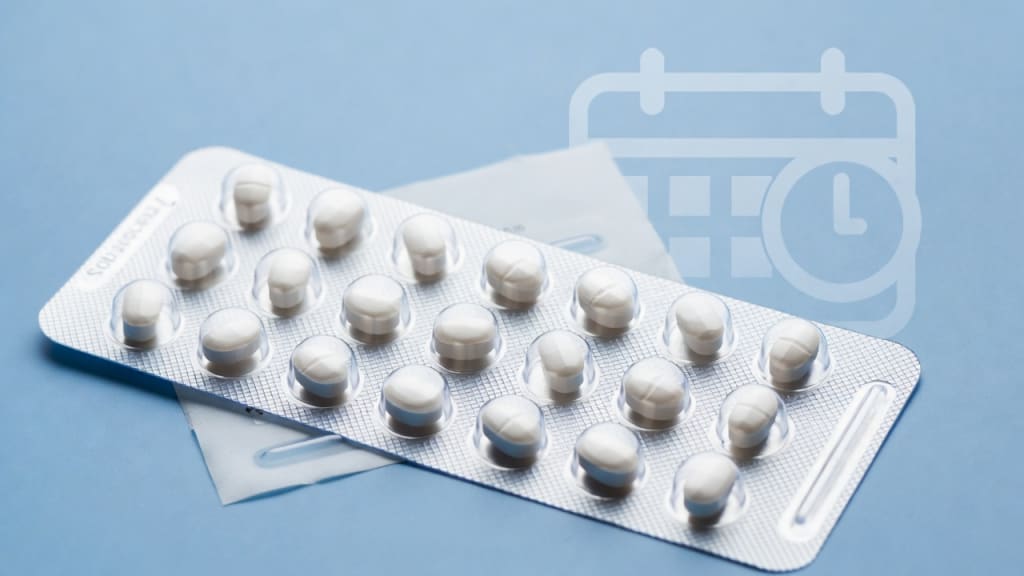
When contraception fails or sex happens without protection, time suddenly feels very important. That is when many people turn to the morning after pill. But the biggest question remains: how effective is it really?
In this detailed guide, we will break down the real success rates of emergency contraception, explain how it works inside your body, compare available options, and clarify common myths. Most importantly, you will understand what influences effectiveness and how to make the most informed decision possible.
Let’s take a clear and honest look at the facts.
Understanding the Morning After Pill
The morning after pill is a form of emergency contraception designed to reduce the risk of pregnancy after unprotected sex or contraceptive failure. Despite the name, you do not need to take it only the next morning. In fact, depending on the type, you may have up to five days to act.
There are two main types available in the UK. One contains levonorgestrel, often sold under brand names like Levonelle. The other contains ulipristal acetate, commonly known by the brand name EllaOne. Both are approved for emergency use and are widely available through pharmacies and online services.
Importantly, the morning after pill is not the same as an abortion pill. It works before pregnancy begins. It does not terminate an established pregnancy. Instead, it prevents ovulation or delays it long enough to stop fertilization from occurring.
How Emergency Contraception Works in the Body
To understand success rates, you first need to understand how the pill works biologically. Pregnancy happens when sperm fertilizes an egg after ovulation. The morning after pill works by delaying or preventing ovulation. If no egg is released, sperm cannot fertilize anything.
Levonorgestrel primarily works by stopping ovulation if it has not yet occurred. However, it becomes less effective once ovulation is close or has already happened. That is why timing is critical.
Ulipristal acetate works slightly differently. It delays ovulation even when the luteinizing hormone surge has started. Because of this, it may be effective later in the cycle compared to levonorgestrel. However, neither option works if implantation has already occurred.
Real Success Rates: What the Data Shows
If taken within 24 hours of unprotected sex, levonorgestrel can reduce the risk of pregnancy by up to 95 percent. However, that effectiveness decreases over time. Between 48 and 72 hours, effectiveness may drop closer to 58 to 85 percent.
Ulipristal acetate maintains higher effectiveness over a longer window. It can be taken up to 120 hours, or five days, after unprotected sex. Studies suggest it may be more effective than levonorgestrel, especially between 72 and 120 hours.
It is important to note that these percentages refer to reduced risk, not guaranteed prevention. No emergency contraceptive pill is 100 percent effective. However, when taken correctly and promptly, it significantly lowers the chance of pregnancy.
Why Timing Changes Everything
Time is the most important factor influencing effectiveness. The sooner you take the pill, the better it works. This is because ovulation may occur at any point in your cycle, sometimes unpredictably.
If you take levonorgestrel after ovulation has already happened, it will not prevent pregnancy. On the other hand, ulipristal may still delay ovulation even closer to the fertile window, giving it an advantage in certain cases.
Therefore, acting quickly is not just recommended. It is critical. Many pharmacies and services allow you to buy contraceptive pills online uk, which can save valuable time when you need urgent access.
Body Weight and Effectiveness: Does It Matter?
Another factor that affects success rates is body weight. Some research suggests that levonorgestrel may be less effective in people with a higher body mass index. While evidence is still debated, some guidelines recommend ulipristal acetate as a more reliable option in such cases.
That does not mean levonorgestrel never works for higher weights. However, if you are concerned, speaking with a pharmacist or healthcare provider can help you choose the most suitable option.
In addition, certain medications can reduce the pill’s effectiveness. These include some epilepsy medications, HIV treatments, and herbal supplements like St John’s Wort. Always check for drug interactions before taking emergency contraception.
Comparing Emergency Pills to the Copper IUD
While the morning after pill is convenient, it is not the most effective form of emergency contraception. The copper intrauterine device, often called the copper IUD, is over 99 percent effective when inserted within five days of unprotected sex.
The IUD works by preventing fertilisation and possibly implantation. It also provides ongoing contraception for up to 10 years. However, it requires a clinic appointment and is not as immediately accessible as pills.
For those who want the highest possible effectiveness and long term protection, the copper IUD may be worth considering. For others who prefer a quicker, non invasive option, the morning after pill remains a strong and practical choice.
Common Myths About the Morning After Pill
Misinformation often surrounds emergency contraception. Let’s clear up a few common myths.
First, the morning after pill does not cause infertility. It does not damage your reproductive system or affect future pregnancies. Your fertility returns quickly after taking it.
Second, it does not protect against sexually transmitted infections. It only reduces pregnancy risk. You should still get tested if there is concern about STIs.
Third, it is not meant to replace regular contraception. While it is safe for occasional use, relying on it repeatedly is less effective and less predictable than consistent contraception methods.
Side Effects and What to Expect
Most people tolerate the morning after pill well. However, mild side effects can occur. These may include nausea, headache, fatigue, breast tenderness, and changes in your next period.
Your next period may come earlier or later than expected. It might also be heavier or lighter. If your period is more than seven days late, you should take a pregnancy test.
In rare cases, vomiting within three hours of taking the pill may reduce effectiveness. If that happens, you may need another dose. Always read the patient information leaflet carefully.
When the Morning After Pill Might Not Work
Although effective, there are situations where the pill may fail. If ovulation has already occurred, levonorgestrel will not prevent pregnancy. Delayed access also reduces overall effectiveness.
Incorrect timing, drug interactions, or vomiting shortly after taking the pill can also reduce protection. Additionally, having unprotected sex again after taking the pill will not be covered by the same dose.
Therefore, you should avoid further unprotected sex in the same cycle or use barrier protection. Emergency contraception is a backup, not ongoing coverage.
Accessing Emergency Contraception in the UK
In the UK, emergency contraception is widely accessible. You can obtain it from pharmacies, sexual health clinics, and GP surgeries. Many services offer same-day access.
Increasingly, people choose to buy contraceptive pills online uk through registered pharmacies. Online consultations are discreet and convenient. They also allow fast delivery or local collection, which can make a real difference when time matters.
Always ensure you use a reputable, regulated UK online pharmacy to guarantee safety and authenticity.
Is the Morning After Pill the Right Choice for You?
Choosing emergency contraception depends on your circumstances. If it has been less than 72 hours, both levonorgestrel and ulipristal are options. If more time has passed, ulipristal or a copper IUD may be more suitable.
Consider your menstrual cycle timing, body weight, and any medications you take. When in doubt, a pharmacist can guide you quickly and confidentially.
The most important thing is not to panic. Emergency contraception is designed for exactly these situations. Acting promptly and choosing the right option significantly lowers your risk.
Final Thoughts
So, how effective is the morning after pill? The short answer is this: very effective when taken correctly and quickly. It can reduce pregnancy risk by up to 95 percent within the first 24 hours. However, timing, body weight, and medication interactions all influence results.
It is not perfect. It is not meant for routine use. Yet it remains a safe, accessible, and reliable backup option. With better awareness and faster access, its success rates improve even further.
Understanding how it works gives you control. And when it comes to reproductive health, informed decisions make all the difference.
About the Creator
Alex
I've built my career around people-focused roles in the software industry, where clear communication, hands-on support, and quality assurance are always top priorities.
10 DIY Medicinal Herbs (Very Effective)
There's something deeply satisfying about growing your own medicinal herbs. For centuries, our ancestors relied on backyard gardens not just for food, but for natural remedies that supported their health and well-being.
By Edward Smith5 days ago in Longevity



Comments
There are no comments for this story
Be the first to respond and start the conversation.