
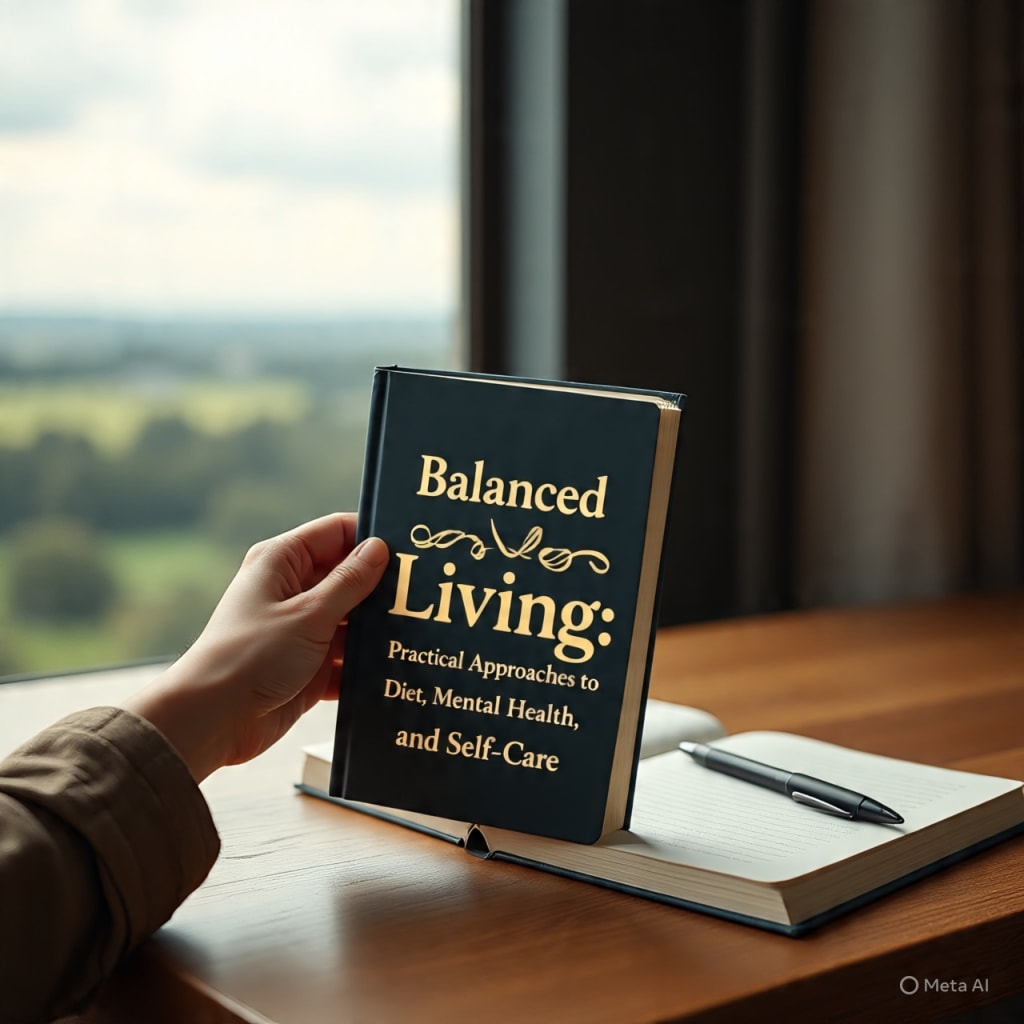
Balanced Living: Practical Approaches to Diet, Mental Health, and Self-Care
Evidence-based steps to build physical health, mental stability, and everyday wellness through sustainable habits.

Introduction
Health and wellness are not limited to the absence of illness. They involve a steady balance between the body, mind, and daily environment. While modern life often pushes people toward quick solutions, lasting wellness depends on consistent and informed choices.
This article offers practical, research-based guidance on diet, mental health, and self-care routines that support overall well-being. Each section focuses on what science and experience suggest about living a healthy, balanced life.
1. Understanding the Connection Between Body and Mind
Scientific research consistently shows that mental and physical health are deeply connected. Stress, poor diet, and lack of sleep can lead to fatigue, reduced focus, and long-term illness.
Taking care of the body improves mental function, while mental balance supports physical health. Recognizing this connection helps individuals create a more comprehensive view of wellness rather than treating each problem separately.
Simple daily habits, such as eating regular meals, staying hydrated, and managing stress, strengthen this connection over time.
2. Building a Sustainable Diet
A healthy diet is not about extreme restriction or temporary plans. It’s about developing consistent eating patterns that meet the body’s needs.
Health organizations, including the World Health Organization (WHO), recommend a diet rich in fruits, vegetables, whole grains, lean proteins, and healthy fats. These provide energy, improve metabolism, and reduce the risk of heart disease and diabetes.
Limiting processed food and added sugar is also essential. Processed foods often lack nutrients and can increase inflammation in the body. Instead of focusing on what to eliminate completely, focus on adding more natural and nutrient-rich options.
Meal planning and portion control can help maintain balance and prevent overeating. The goal is sustainability, not perfection.
3. The Role of Hydration and Sleep
Hydration is often overlooked but directly affects energy, mood, and cognitive performance. Drinking enough water throughout the day supports digestion, skin health, and concentration.
Equally important is sleep. Research from the National Sleep Foundation shows that adults need about seven to nine hours of sleep each night. Sleep allows the brain to recover, hormones to balance, and the body to repair itself.
Maintaining a consistent sleep schedule and limiting screen time before bed helps regulate natural sleep cycles and improves mental clarity during the day.
4. Managing Mental Health with Awareness
Mental health requires attention just like physical health. Common issues such as anxiety, burnout, or low mood often go unnoticed until they affect daily life.
Practicing mindfulness—through breathing exercises, journaling, or quiet reflection—helps build awareness and reduces overthinking. Setting small, achievable goals can also improve self-esteem and motivation.
When needed, professional guidance from therapists or counsellors can provide tools to manage emotional challenges effectively. Seeking help is not a sign of weakness but a step toward long-term balance.
5. The Importance of Regular Movement
Physical activity improves both physical fitness and emotional well-being. Regular exercise helps control weight, strengthens the heart, and releases chemicals in the brain known as endorphins that improve mood.
According to the Centers for Disease Control and Prevention (CDC), adults should aim for at least 150 minutes of moderate exercise per week. Activities such as walking, cycling, yoga, or swimming are simple and accessible options.
The key is consistency rather than intensity. Finding an activity you enjoy increases the likelihood of making movement a daily habit.
6. Practicing Effective Self-Care
Self-care is not limited to relaxation or leisure; it involves maintaining habits that support overall stability. It includes rest, personal hygiene, meaningful relationships, and setting healthy boundaries in daily routines.
Allocating time for rest and reflection can prevent burnout and increase productivity. Simple activities such as reading, listening to music, or spending time outdoors contribute to mental refreshment.
Self-care also includes saying “no” when demands exceed your energy or time. Learning to balance responsibilities and personal needs creates a stronger sense of control over life.
7. Using Science to Guide Wellness Choices
The internet is full of health claims and quick-fix solutions, many of which lack evidence. Following scientifically supported advice ensures safer and more reliable results.
Reliable sources include peer-reviewed studies, public health guidelines, and registered medical professionals. For example, the Mediterranean diet, supported by numerous studies, has proven benefits for heart health and longevity.
Using verified information helps individuals avoid ineffective or harmful trends and promotes habits that genuinely contribute to long-term wellness.
8. Developing Consistency and Routine
Wellness improves through small, repeated actions rather than sudden changes. Consistency in sleep, diet, exercise, and emotional care helps the body and mind adjust gradually.
Creating a routine—such as a morning stretch, balanced meals, and evening relaxation—provides structure in an otherwise busy life. Tracking progress can also reinforce positive behaviour and highlight areas for improvement.
Building healthy habits takes patience, but over time, they become automatic and rewarding.
Conclusion
True health and wellness come from balance, not extremes. It requires steady care for the body, mind, and environment through informed decisions and consistent effort.
By focusing on a sustainable diet, regular exercise, mental awareness, and evidence-based choices, individuals can maintain stability and improve their quality of life.
In a fast-moving world, these practices help create a foundation of calm and strength that supports both personal growth and long-term health.
About the Creator
Saad
I’m Saad. I’m a passionate writer who loves exploring trending news topics, sharing insights, and keeping readers updated on what’s happening around the world.
Herbal Tea: Natural Drink for Relaxation and Better Health
Introduction: Herbal tea is a natural beverage made from dried herbs, flowers, fruits, or spices. Unlike traditional teas such as black or green tea, herbal tea usually does not come from the Camellia sinensis plant.
By Health Tips3 days ago in Longevity
Why Your Brain Feels Foggy During the Day
Why Your Brain Feels Foggy? Have you ever sat in class or tried to study, only to realize that your brain just isn’t cooperating? You read the same sentence three times, struggle to focus, and feel mentally drained even though the day has barely started. Many students experience this feeling, often described as “brain fog.”
By Being Inquisitive7 days ago in Longevity




Comments
There are no comments for this story
Be the first to respond and start the conversation.