
Australia Hormone Replacement Therapy Market Size and Forecast 2025–2033
Rising Awareness of Hormonal Health, Aging Population, and Medical Innovations Drive Sustainable Market Growth


Australia Hormone Replacement Therapy Market Outlook
The Australia Hormone Replacement Therapy (HRT) Market is witnessing steady and sustainable growth as hormonal disorders become more widely diagnosed and treated across the country. According to Renub Research, the market is expected to grow from US$ 417.36 million in 2024 to US$ 725.13 million by 2033, registering a compound annual growth rate (CAGR) of 6.33% during the forecast period 2025–2033.
This growth reflects a broader shift in Australia’s healthcare ecosystem—one that prioritizes early diagnosis, preventive medicine, women’s health, aging population needs, and personalized treatment approaches. Hormone replacement therapy plays a critical role in managing conditions such as menopause, hypothyroidism, male hypogonadism, and growth hormone deficiency, significantly improving quality of life for millions of patients.
As societal stigma around hormonal health diminishes and clinical confidence in HRT increases, Australia is emerging as one of the more mature and innovation-driven HRT markets in the Asia-Pacific region.
What Is Hormone Replacement Therapy?
Hormone Replacement Therapy involves supplementing or replacing hormones that the body no longer produces in adequate quantities. These hormones may decline naturally due to aging or result from medical conditions affecting the endocrine system.
In Australia, HRT is commonly prescribed to:
Alleviate menopausal symptoms in women
Treat thyroid hormone deficiencies
Address testosterone deficiency in men
Manage growth hormone deficiency
Support long-term management of chronic endocrine disorders
Modern HRT regimens focus on optimal dosing, safety, convenience, and personalization, ensuring both symptom relief and long-term health protection.
Australia Hormone Replacement Therapy Market Overview
Australia’s HRT market benefits from a robust healthcare infrastructure, strong clinical guidelines, and a well-regulated pharmaceutical environment. Hospitals, specialty clinics, endocrinologists, gynecologists, and general practitioners increasingly integrate hormone therapy into long-term disease management plans.
Several macro-level factors support market expansion:
An aging population, especially post-menopausal women
Increasing diagnosis of thyroid and metabolic disorders
Greater male awareness of testosterone deficiency
Expansion of telehealth and digital prescription platforms
Strong presence of global pharmaceutical companies
The market is also influenced by evolving patient preferences for non-invasive administration routes, safer formulations, and therapies backed by long-term clinical evidence.
Key Growth Drivers of the Australia HRT Market
1. Rising Burden of Chronic and Hormonal Disorders
Chronic diseases that disrupt endocrine function are becoming increasingly prevalent in Australia. Conditions such as hypothyroidism, chronic kidney disease (CKD), diabetes, and pituitary disorders often require long-term hormone management.
According to data from the Australian Institute of Health and Welfare (AIHW), chronic kidney disease alone accounted for approximately 17,700 deaths in 2020, highlighting the growing demand for supportive and adjunctive therapies, including hormone replacement.
Additionally, hormonal disorders disproportionately affect certain populations, including Aboriginal and Torres Strait Islander communities, where diagnosis rates of chronic conditions remain significantly higher. This has amplified the need for accessible and comprehensive treatment solutions, contributing to sustained demand for HRT across diverse patient groups.
2. Increasing Awareness and Acceptance of Hormonal Health
Public perception of hormone replacement therapy has evolved considerably over the past decade. Awareness campaigns such as World Menopause Day and Women’s Health Week have played a vital role in educating patients about the benefits and risks of HRT.
In early 2025, the Australian government announced a multi-million-dollar healthcare package aimed at improving access to menopause care, including hormonal therapies. These initiatives have encouraged more women to seek medical advice rather than silently endure symptoms such as hot flashes, mood disturbances, osteoporosis, and sleep disorders.
Men’s health awareness has also increased, particularly around testosterone deficiency, further expanding the patient pool for HRT.
3. Technological Advancements in Drug Delivery and Formulations
Technological innovation is reshaping the Australian HRT market. Traditional oral tablets are now complemented by:
Transdermal patches
Topical gels and creams
Subdermal implants
Long-acting injectable formulations
These advancements improve treatment adherence, reduce gastrointestinal side effects, and allow for more stable hormone levels. The rise of bioidentical hormone therapies, designed to closely mimic natural human hormones, has further enhanced treatment outcomes and patient satisfaction.
Additionally, digital health tools and telemedicine platforms allow for remote monitoring, dosage adjustments, and follow-ups, making HRT more accessible to patients in rural and remote regions.
Challenges Facing the Australia HRT Market
Cost of Long-Term Treatment
Despite partial subsidies through the Pharmaceutical Benefits Scheme (PBS), not all hormone therapies—particularly newer or customized options—are fully covered. Bioidentical hormone treatments and advanced delivery systems often involve significant out-of-pocket expenses.
For patients requiring lifelong hormone therapy, these cumulative costs can become a deterrent, especially among lower-income households and elderly populations.
Regulatory and Approval Barriers
Australia maintains stringent regulatory standards for pharmaceutical products. While these safeguards ensure patient safety, they can also delay market entry for innovative hormone therapies.
Approval processes for new formulations, delivery systems, or biosimilar hormones are often lengthy, increasing development costs for manufacturers and limiting patient access to newer treatment options. Variability in PBS reimbursement further complicates market dynamics.
Australia Hormone Replacement Therapy Market Segmentation
By Therapy Type
Estrogen Hormone Replacement Therapy
Human Growth Hormone Replacement Therapy
Thyroid Hormone Replacement Therapy
Testosterone Hormone Replacement Therapy
Progestogen Hormone Replacement Therapy
By Disease Type
Menopause
Hypothyroidism
Male Hypogonadism
Growth Hormone Deficiency
Others
By Route of Administration
Oral
Parenteral
Others
By Distribution Channel
Hospital Pharmacies
Retail Pharmacies & Stores
Online Pharmacies
Competitive Landscape and Key Players
The Australian HRT market is moderately consolidated, with strong participation from global pharmaceutical leaders. These companies compete through product innovation, geographic expansion, partnerships, and regulatory compliance.
Key Companies Covered
Abbott Laboratories
Bayer AG
Eli Lilly & Company
Novartis AG
Novo Nordisk A/S
Pfizer Inc.
AbbVie Inc. (Allergan plc)
Teva Pharmaceutical Industries Ltd
Dr. Reddy’s Laboratories Ltd
Each company has been analyzed based on:
Company Overview
Key Personnel
Recent Developments & Strategies
Sales and Market Performance
Strategic investments in R&D, hormone biosimilars, and patient-centric delivery systems remain central to competitive success.
Future Outlook: Australia HRT Market Through 2033
The outlook for Australia’s hormone replacement therapy market remains highly positive. As diagnostic accuracy improves and societal acceptance continues to grow, HRT is expected to become a standard component of long-term healthcare management.
Emerging trends such as personalized medicine, AI-assisted diagnostics, and digital therapeutics will further enhance treatment precision and accessibility. Government support for women’s health and chronic disease management will also play a pivotal role in sustaining market momentum.
By 2033, Australia is likely to stand out as a mature, innovation-driven HRT market that balances clinical effectiveness with patient safety and accessibility.
Final Thoughts
The Australia Hormone Replacement Therapy Market is evolving in response to demographic shifts, rising awareness, and rapid medical innovation. With a projected market size of US$ 725.13 million by 2033, HRT is no longer a niche therapy but a vital component of modern healthcare in Australia.
As healthcare providers, policymakers, and pharmaceutical companies continue to collaborate, hormone replacement therapy will play an increasingly important role in improving longevity, quality of life, and overall well-being for Australian patients.
About the Creator
jaiklin Fanandish
Jaiklin Fanandish, a passionate storyteller with 10 years of experience, crafts engaging narratives that blend creativity, emotion, and imagination to inspire and connect with readers worldwide.
Keep reading
More stories from jaiklin Fanandish and writers in Longevity and other communities.
Japan Ultrasound Device Market Size and Forecast 2025–2033
Japan Ultrasound Devices Market Overview The Japan Ultrasound Device Market is witnessing steady and sustainable growth, driven by the country’s expanding healthcare needs, advanced medical infrastructure, and rapid technological innovation. According to Renub Research, the market is expected to reach US$ 661.26 million by 2033, growing from US$ 429.19 million in 2024, at a compound annual growth rate (CAGR) of 4.92% during 2025–2033.
By jaiklin Fanandish24 days ago in Longevity
Day 4 of Quitting
If this is how sobriety feels, maybe it’s better to go through life a little buzzed… this, along with other hits like, I want to kill myself, I wish I was dead, and I’m going to throw myself off a bridge have been the only thoughts on rotation these past few days. I promise myself that if, in a month, I still feel like this (‘this’ meaning despondent, full of rage, and simultaneously numb) I can go back to smoking. Until mid-February though? Nicotine is off the table.
By sleepy drafts8 days ago in Longevity
Saudi Arabia Date Syrup Market Size and Forecast 2025–2033
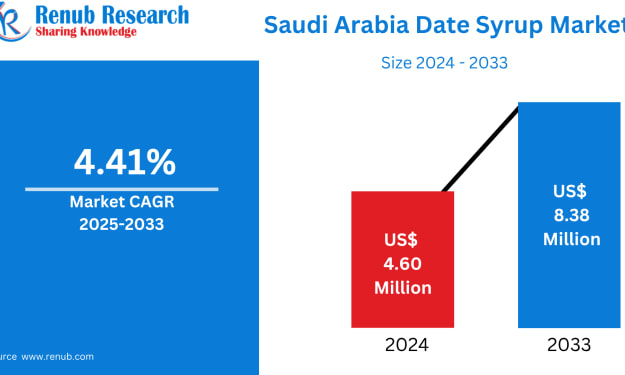
Saudi Arabia Date Syrup Market: A Sweet Tradition Entering a Modern Growth Phase The Saudi Arabia Date Syrup Market is expected to reach US$ 8.38 million by 2033, up from US$ 4.6 million in 2024, expanding at a CAGR of 6.88% from 2025 to 2033. Supported by the Kingdom’s rich date cultivation heritage and growing preference for organic, traditional, and functional food products, the market is being driven by rising health awareness, increasing demand for natural sweeteners, and wider adoption across culinary and foodservice applications.
By Marthan Sir5 days ago in Longevity



Comments
There are no comments for this story
Be the first to respond and start the conversation.